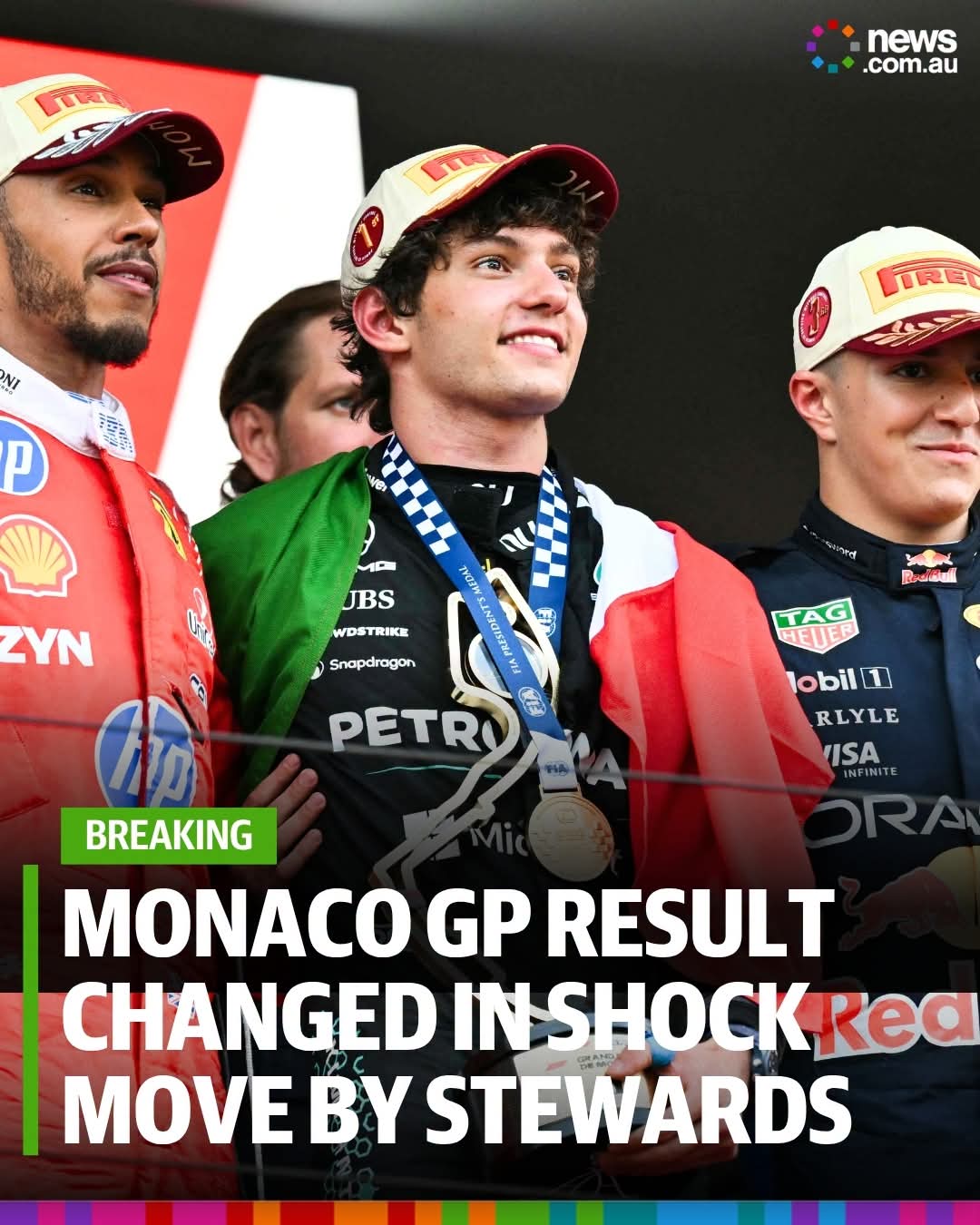
Formula 1’s 2026 Monaco Grand Prix has delivered one final twist days after the chequered flag, with Pierre Gasly officially restored to the podium following a successful review of penalties that initially cost him a career-defining result.
What looked like a settled outcome after Kimi Antonelli’s dominant victory has now become one of the most controversial post-race developments of the season. The decision not only changes the Monaco classification but also raises major questions about how Formula 1 measures pit-lane speed and enforces penalties.
For Alpine, it represents a huge victory. For rival teams, it may spark frustration. And for the FIA, it creates a debate that could influence officiating standards for years to come.
HOW GASLY LOST THE PODIUM IN THE FIRST PLACE
Gasly produced one of his strongest performances in recent memory around the streets of Monaco. Starting outside the leading positions, he steadily worked his way through the field and eventually found himself in contention for a podium finish.
However, his race unravelled after officials issued two separate time penalties for alleged pit-lane speeding infringements. Those penalties dropped him from third place to seventh in the final classification.
At the time, the penalties appeared straightforward. Formula 1’s timing systems indicated that Gasly had exceeded the 60 km/h pit-lane speed limit on two occasions, leaving little room for appeal.
The disappointment was enormous for both driver and team. Monaco is notoriously difficult for overtaking, making every position earned around the principality especially valuable.
THE EVIDENCE THAT CHANGED EVERYTHING
Alpine refused to accept the verdict without further investigation and launched a formal right-of-review request.
What emerged during that process proved crucial.
According to findings presented during the review, the distance used to calculate pit-lane speed was not entirely accurate. Officials determined that drivers could legally take a shorter route through sections of the Monaco pit lane than the distance originally used in Formula 1’s calculations.
That discrepancy may sound minor, but in a sport where penalties were handed out for fractions of a kilometre per hour, even a small measurement error could completely alter the result.
After examining the evidence, stewards concluded that Gasly had not actually exceeded the speed limit. As a result, both penalties were removed and his podium finish was reinstated.
WHY THIS IS A HUGE MOMENT FOR ALPINE
For Alpine, the ruling delivers far more than a trophy ceremony correction.
The team has endured an inconsistent season and desperately needed a major result to strengthen morale. A Monaco podium carries significant prestige, especially on a circuit where driver skill often matters more than outright car performance.
Gasly’s return to third place also reinforces confidence inside the team at a time when Alpine has faced questions regarding its competitiveness and long-term direction.
Just as importantly, the decision validates Alpine’s willingness to challenge the original ruling. Teams often hesitate to pursue reviews unless they believe the evidence is overwhelming. In this case, that confidence paid off.
THE DRIVERS WHO LOSE OUT
While Gasly celebrates, several rivals inevitably suffer.
Isack Hadjar loses a podium finish that initially represented one of the standout moments of his season. The Racing Bulls driver had every reason to believe he had secured a Monaco top-three finish, only to see it disappear days later.
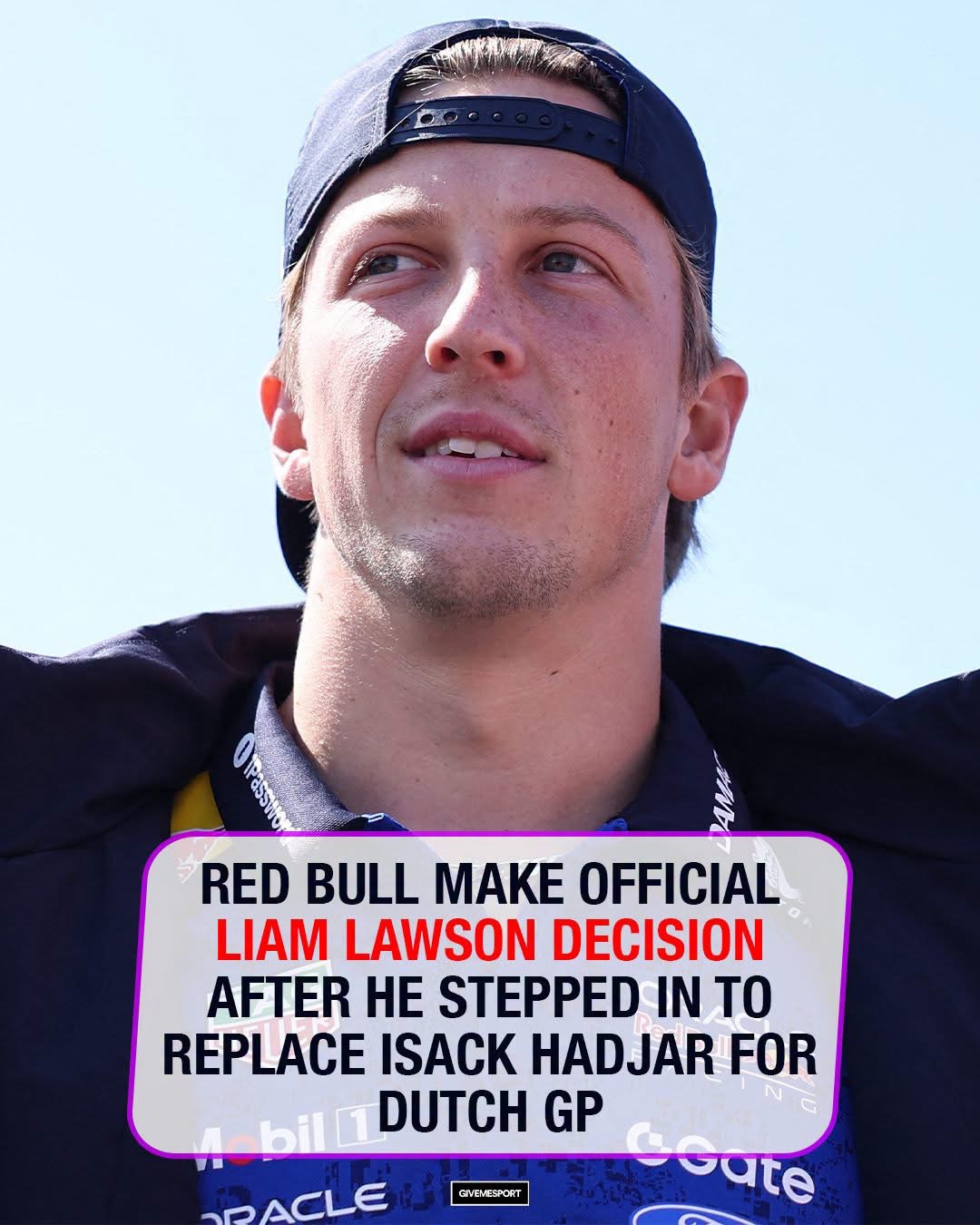
Oscar Piastri, Liam Lawson and Arvid Lindblad also move down one position in the revised classification.
Although the points difference may not seem dramatic individually, Formula 1 championships have been decided by far smaller margins in the past. Every point matters, particularly in a season where multiple midfield teams are fighting for crucial championship positions.
WHAT THIS REVEALS ABOUT FORMULA 1 OFFICIATING
The bigger story may not be Gasly’s podium itself but what this incident reveals about Formula 1’s officiating systems.
Modern F1 relies heavily on technology, timing loops and precise data measurements. Fans often assume those systems are infallible. The Monaco review demonstrates that even sophisticated processes can contain flaws when underlying assumptions are incorrect.
The discovery of a measurement discrepancy will likely prompt deeper analysis from the FIA. Teams will undoubtedly want assurances that similar situations cannot occur again.
Expect discussions throughout the paddock regarding how pit-lane monitoring is handled and whether additional verification procedures should be introduced before penalties are issued.
WHAT IT MEANS FOR THE CHAMPIONSHIP
At the front of the championship, Kimi Antonelli’s fifth consecutive victory remains untouched. The Mercedes driver continues to build a commanding lead and appears increasingly difficult to stop.
Lewis Hamilton also retains second place in Monaco, preserving another strong result in what has become a remarkable resurgence season.
The greater impact is in the midfield battle, where Alpine gains valuable points that could prove decisive later in the year. Constructors’ Championship positions are often worth millions of dollars in prize money, meaning every adjustment carries financial consequences as well as sporting ones.
With several teams closely matched, Gasly’s restored podium could end up having significance far beyond Monaco itself.
WHAT HAPPENS NEXT
The controversy is unlikely to disappear immediately.
Other teams will closely examine the reasoning behind the FIA’s decision, while officials will face scrutiny over how the original penalties were issued.
For Gasly, however, the focus now shifts to building momentum. A Monaco podium provides a confidence boost that could transform his season if Alpine can carry improved performance into upcoming races.
The biggest lesson from this saga is simple: in Formula 1, the race is not always over when the chequered flag falls.
Sometimes, the most dramatic battles happen long after the cars have returned to the garage. And in Monaco, one of those battles has ultimately handed Pierre Gasly a podium that many thought was lost forever.