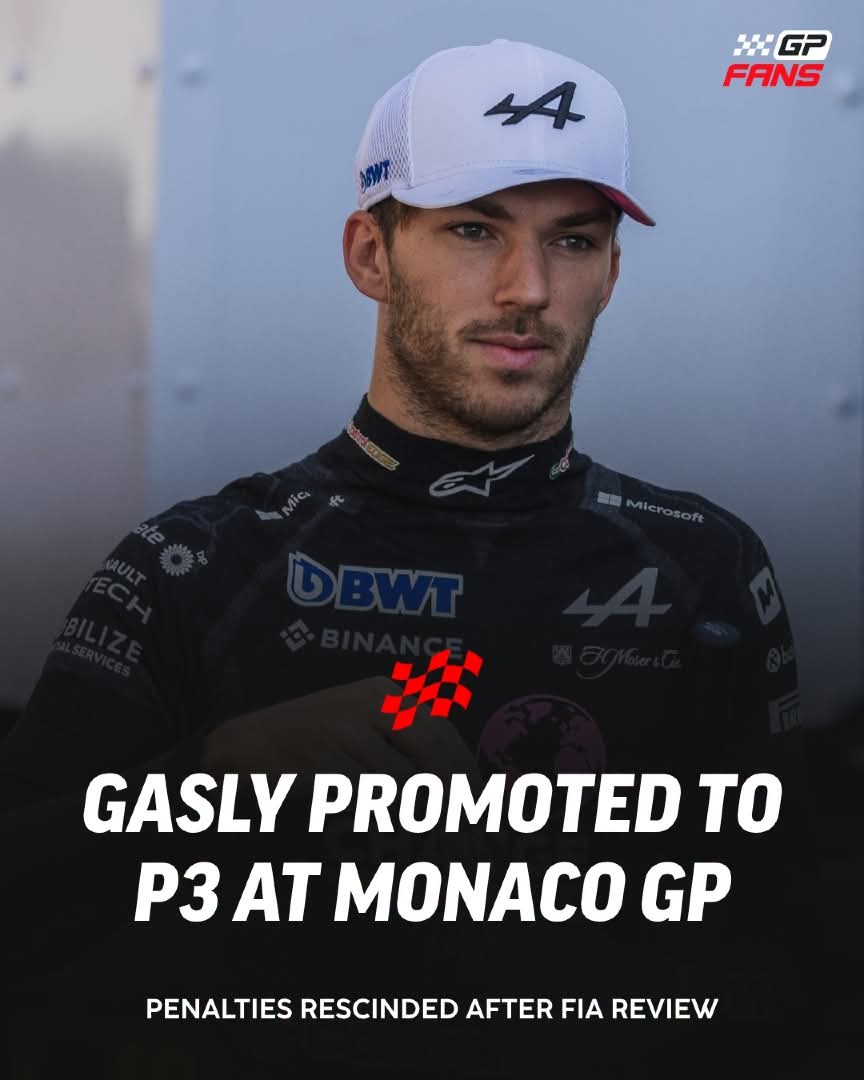
The 2026 Monaco Grand Prix has delivered one of the most dramatic post-race twists Formula 1 has seen in years. Nearly a week after the chequered flag fell in Monte Carlo, Pierre Gasly has officially been reinstated to third place after Alpine successfully challenged the penalties that stripped him of a podium finish.
The decision not only changes the final race classification but also raises serious questions about Formula 1’s timing systems and the way pit-lane speed violations are monitored. What initially appeared to be a routine stewarding decision has evolved into a major controversy with implications far beyond Monaco.
For Alpine, it is a huge triumph. For rival teams, it creates frustration. And for the FIA, it serves as a reminder that even the most advanced systems can still be questioned.
HOW GASLY LOST A CAREER-DEFINING RESULT
Gasly’s Monaco performance was one of the standout drives of the weekend. On a circuit where overtaking is almost impossible and track position is everything, the Frenchman maximized every opportunity to put himself in podium contention.
By the end of the race, he crossed the line in third place and appeared set to secure Alpine’s biggest result of the season.
However, celebrations quickly turned into disappointment when stewards handed Gasly two separate five-second penalties for pit-lane speeding. The punishment dropped him from third all the way down to seventh in the final classification.
Gasly was visibly devastated after the race, insisting the team had correctly managed the pit-lane speed limiter and questioning how the penalties had been applied.
At the time, many assumed the case was closed.
It wasn’t.
THE SHOCK DISCOVERY THAT CHANGED EVERYTHING
Alpine immediately launched a Right of Review request, arguing that new evidence existed which had not been available when the original decision was made.
The breakthrough came when Formula One Management data revealed that the distance being used to calculate pit-lane speed was inaccurate.
According to findings presented during the review process, the official calculations overestimated the distance travelled by cars through the Monaco pit lane. That discrepancy directly affected the speed readings generated by the timing system.
Once the evidence was examined, stewards concluded that Gasly had not actually exceeded the 60 km/h speed limit.
The result was clear: both penalties were rescinded and Gasly was restored to his original finishing position of third.
UPDATED MONACO PODIUM AFTER FIA REVIEW
The revised Monaco Grand Prix podium now reads:
1. Kimi Antonelli – Mercedes
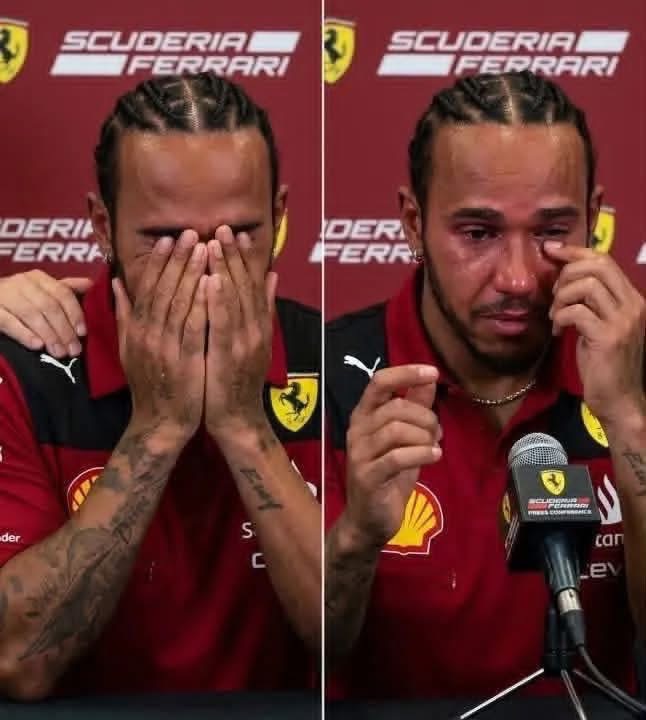
2. Lewis Hamilton – Ferrari
3. Pierre Gasly – Alpine
The change pushes Isack Hadjar off the podium and back into fourth place despite what was initially celebrated as one of the strongest results of his Formula 1 career.
Several other drivers also lose a position in the revised classification as the order shifts behind Gasly.
WHY THIS DECISION MATTERS FOR FORMULA 1
This is about far more than one podium.
Formula 1 prides itself on precision. Teams spend millions chasing thousandths of a second, and races can be won or lost by margins so small they are almost invisible to the naked eye.
When penalties are issued for fractions of a kilometre per hour, the underlying data must be flawless.
The Monaco case has exposed a weakness in that process.
If an incorrect distance can influence official speed calculations, teams will inevitably ask whether similar issues could have affected previous decisions. While there is no evidence suggesting widespread problems, the incident places renewed focus on how Formula 1 gathers and validates data.
Expect the FIA to conduct further reviews of its procedures moving forward.
A MASSIVE BOOST FOR ALPINE
The timing of this decision could not be better for Alpine.
The team has struggled for consistency throughout the season and desperately needed a headline result. Monaco’s unique characteristics often create opportunities for teams outside the traditional frontrunners, but converting those opportunities still requires flawless execution.
Gasly delivered that performance.
Having the podium restored not only rewards the driver but also strengthens confidence throughout the organization. In a season where momentum can quickly shift, the psychological impact of a podium finish should not be underestimated.
The additional championship points are equally valuable in the increasingly competitive midfield battle.
WHAT THIS MEANS FOR GASLY’S FUTURE
Gasly has spent much of his Formula 1 career proving doubters wrong.
From his Red Bull exit to his revival at AlphaTauri and now Alpine, he has repeatedly demonstrated resilience under pressure.
This Monaco result serves as another reminder of his quality.
A podium in Formula 1 remains one of the sport’s most valuable currencies. It enhances a driver’s reputation, strengthens contract negotiations, and reinforces belief within a team.
If Alpine can continue improving its package throughout 2026, Gasly could become one of the key figures in the fight behind the championship-leading teams.
COULD MORE MONACO RESULTS COME UNDER SCRUTINY?
One of the biggest questions emerging from the review is whether other penalties issued during the Monaco weekend should also be reconsidered.
Several drivers received pit-lane speeding penalties under the same monitoring system. However, Alpine was the only team to formally pursue a Right of Review.
As things stand, there is no indication that other results will be altered. Nevertheless, the situation creates an awkward precedent and could encourage teams to challenge future stewarding decisions more aggressively.
The FIA will undoubtedly want to avoid similar controversies in the future.
THE BIGGER PICTURE
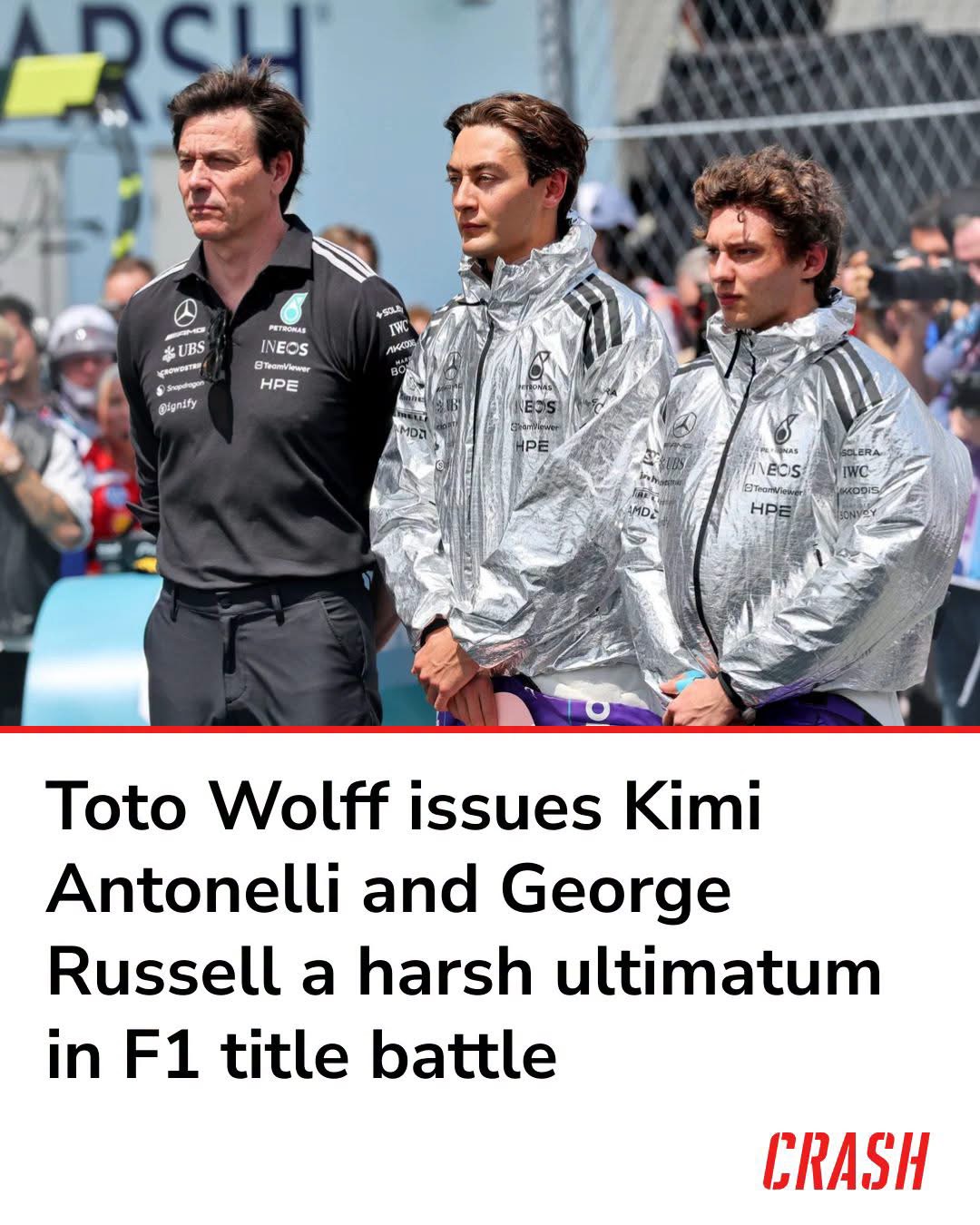
While Kimi Antonelli’s dominant Monaco victory remains unchanged and Lewis Hamilton retains second place, the restoration of Gasly’s podium will be remembered as one of the defining stories of the race weekend.
It highlights the importance of transparency, accurate data, and teams being willing to challenge decisions when they believe an error has occurred.
Most importantly, it proves that in modern Formula 1, a race result is not always final when the chequered flag waves.
Sometimes, the biggest battle begins after the race is already over. And in Monaco, that battle ended with Pierre Gasly finally getting the podium he earned on track.