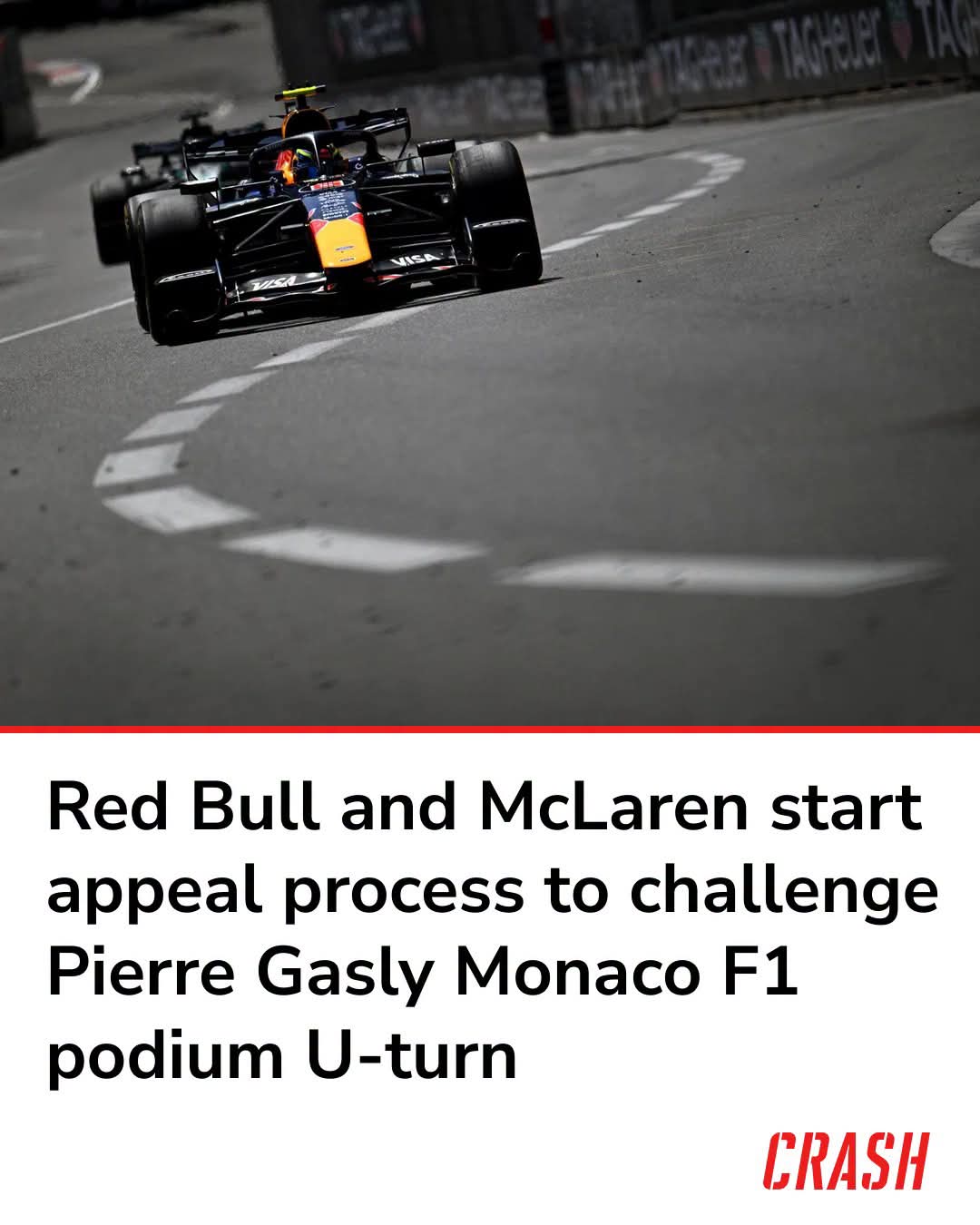
Formula 1’s Monaco Grand Prix controversy has taken another dramatic turn. Just hours after Pierre Gasly was officially restored to third place following Alpine’s successful Right of Review, Red Bull and McLaren have launched the first steps of an appeal process that could once again reshape the final result.
What initially appeared to be a major victory for Alpine has now evolved into a multi-team legal and technical battle. With championship points, podium finishes, and sporting precedent all at stake, Monaco may continue making headlines long after the race weekend itself.
The latest development highlights just how significant the FIA’s decision was and why rival teams are unwilling to accept the outcome without further scrutiny.
HOW GASLY GOT HIS PODIUM BACK
Gasly originally crossed the line in a strong position after one of Alpine’s best performances of the season. However, two separate five-second penalties for pit-lane speeding dropped him from a podium finish down to seventh place.
Alpine immediately questioned the ruling and requested a Right of Review.
During the hearing, new evidence emerged suggesting that the distance used by Formula One Management to calculate pit-lane speeds was inaccurate. After reviewing the data, FIA stewards concluded that Gasly had not exceeded the pit-lane speed limit and removed both penalties.
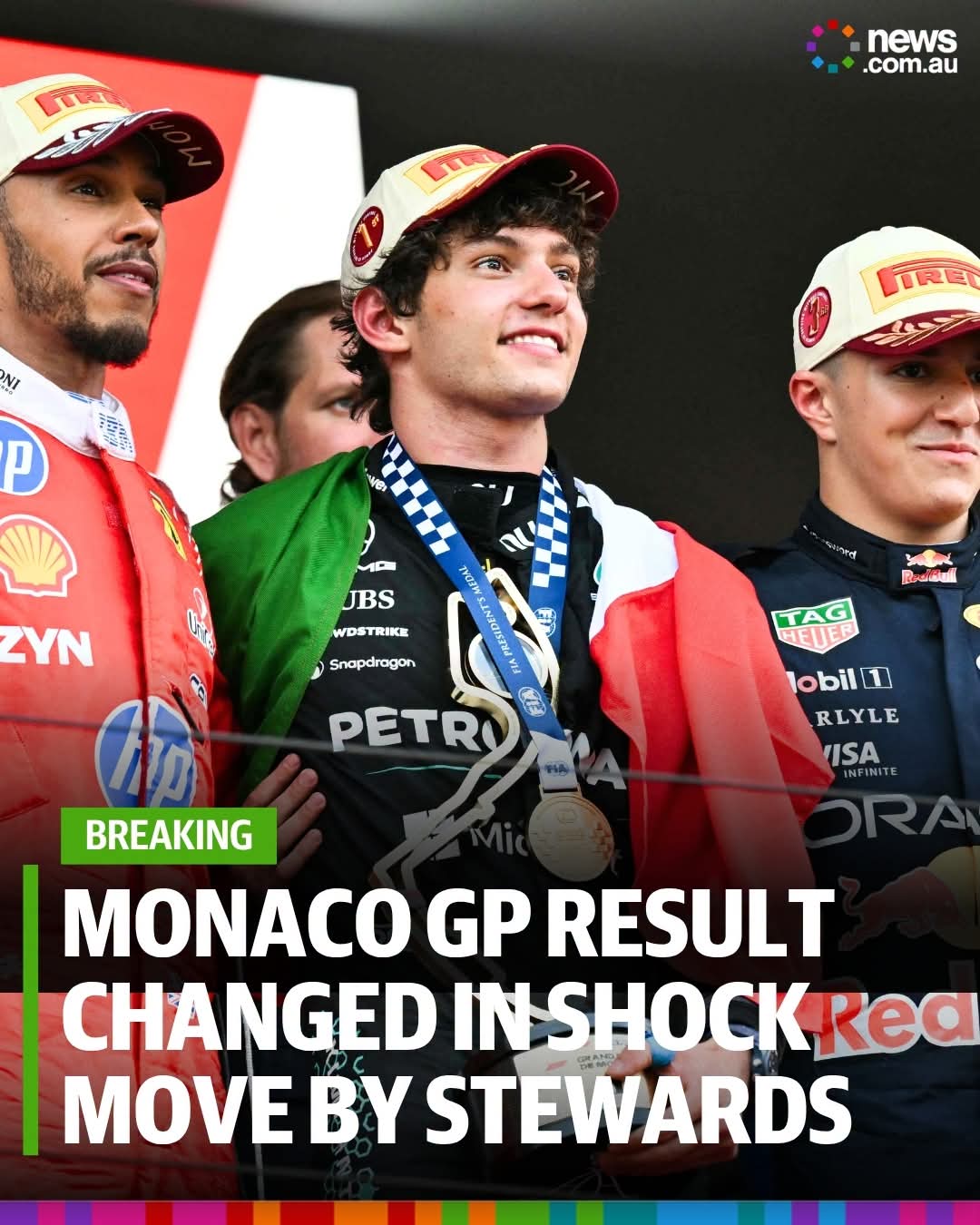
That decision restored Gasly to third place behind race winner Kimi Antonelli and second-placed Lewis Hamilton.
The ruling also pushed Isack Hadjar, Oscar Piastri, Liam Lawson, and others down one position in the final classification.
WHY RED BULL AND McLAREN ARE FIGHTING BACK
Red Bull and McLaren were actively involved in the review process and have now formally registered their intention to appeal the outcome.
While neither team has publicly launched an aggressive attack on Alpine, both organizations believe there are important principles at stake.
Their argument centers around consistency.
According to information emerging from the hearing, both teams pointed out that the timing methods used to calculate pit-lane speeds were known to all competitors before the Monaco weekend. Teams routinely adjust their procedures and coach drivers around potential inaccuracies in the system.
Their position appears to be straightforward: if every team understood the limitations of the timing method and adapted accordingly, should one team be granted relief after the fact?
That question now sits at the center of the dispute.
THE BIG ISSUE: SHOULD KNOWN IMPERFECTIONS INVALIDATE PENALTIES?
The controversy goes beyond Pierre Gasly.
Formula 1 teams have long accepted that pit-lane speed calculations are not perfect. Because tracks have unique pit-lane layouts, slight discrepancies can occasionally exist between actual distance traveled and official measurements.
Red Bull and McLaren reportedly argued that these imperfections were already understood by competitors. Drivers are coached to leave a margin of safety rather than operate directly on the speed limit threshold.
From that perspective, Alpine benefited from a system every team was already managing.
However, Alpine’s counterargument is equally compelling.
If the data used to issue a penalty is proven inaccurate, then any punishment based on that data becomes difficult to justify.
This is why the case has become such a fascinating debate within the paddock.
WHAT THIS MEANS FOR ISACK HADJAR
Perhaps the biggest loser in the current situation is Isack Hadjar.
The Red Bull driver initially celebrated a Monaco podium, one of the biggest achievements of his young Formula 1 career. That result was later removed when Gasly’s penalties were overturned.
Now Hadjar finds himself in limbo.
If Red Bull’s appeal succeeds, he could regain third place. If it fails, he remains fourth.
For a rookie building momentum and reputation, the difference between a podium and fourth place is enormous. Podium finishes carry significant weight when teams evaluate future contracts, sponsorship opportunities, and long-term driver development.
McLAREN’S INTEREST GOES BEYOND MONACO
At first glance, McLaren’s involvement may seem surprising.
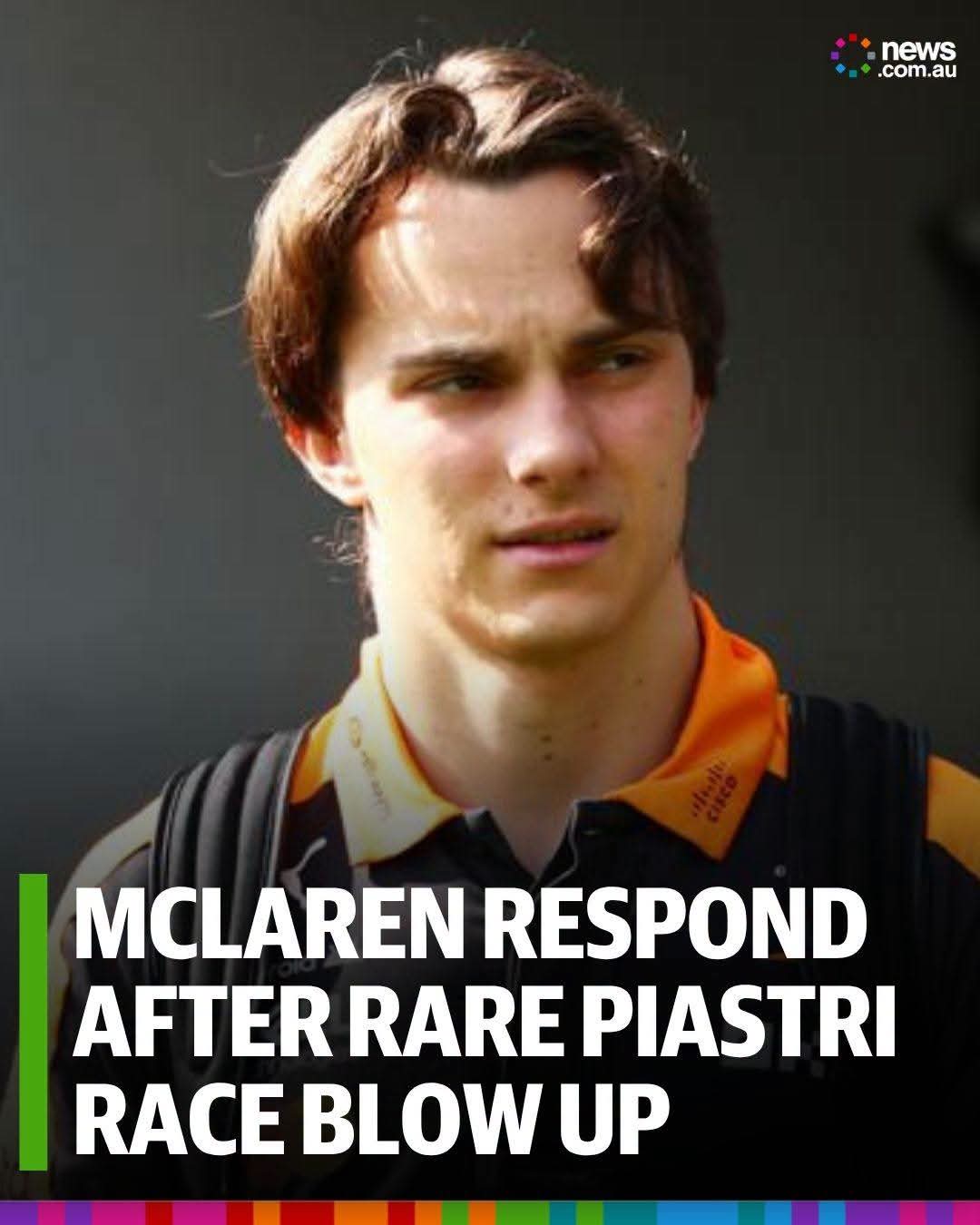
Oscar Piastri was not fighting for victory and remains near the front of the championship regardless of Monaco’s outcome. However, Formula 1 teams rarely focus on a single race in isolation.
The concern is precedent.
If teams believe race classifications can be altered days later due to known timing limitations, similar challenges could emerge throughout the season.
Championships have been decided by tiny margins in the past. A few points gained or lost through post-race reviews could ultimately influence title battles.
McLaren appears determined to ensure the rules are interpreted consistently for every team.
THE FIA FACES A DIFFICULT TEST
For the FIA, this situation is becoming increasingly uncomfortable.
The governing body initially imposed the penalties. It then overturned them after new evidence emerged. Now it must defend its revised position against challenges from rival teams.
Whatever the final outcome, scrutiny will be intense.
If the appeal fails, critics will argue that the original penalties should never have been issued.
If the appeal succeeds, questions will be raised about why Gasly’s podium was reinstated in the first place.
The case exposes the growing complexity of Formula 1’s data-driven officiating systems and the challenges of balancing technical accuracy with sporting fairness.
COULD THE MONACO RESULT CHANGE AGAIN?
The short answer is yes.
The filing of an intention to appeal does not automatically reverse the decision, but it keeps the process alive. Red Bull and McLaren now have additional time to examine the evidence and determine whether to pursue a full appeal.
Should they move forward, Monaco’s final classification could once again come under review.
That means Gasly’s podium, Hadjar’s fourth place, and several other finishing positions remain under a cloud of uncertainty.
WHAT THIS MEANS FOR THE CHAMPIONSHIP
Although Monaco did not dramatically alter the championship fight at the front, every point matters in modern Formula 1.
For Alpine, Gasly’s restored podium provides a significant boost in both points and morale.
For Red Bull, every lost position hurts as the team fights to remain competitive in a season dominated by Mercedes and Kimi Antonelli.
For McLaren, protecting every point earned by Oscar Piastri could prove crucial later in the year.
With multiple teams involved and important championship implications at stake, this is no longer just a Monaco story—it is becoming one of the defining controversies of the 2026 season.
THE FINAL VERDICT MAY STILL BE AHEAD
Formula 1 fans thought the Monaco podium drama had ended when Gasly was reinstated. Instead, it may only be entering its next chapter.
Red Bull and McLaren’s challenge ensures the debate will continue, and the FIA now faces another round of scrutiny over one of the most controversial stewarding decisions of the year.
Whether Gasly ultimately keeps his podium or not, the Monaco Grand Prix has already become a landmark case that could influence how Formula 1 handles reviews, timing systems, and post-race appeals for years to come.