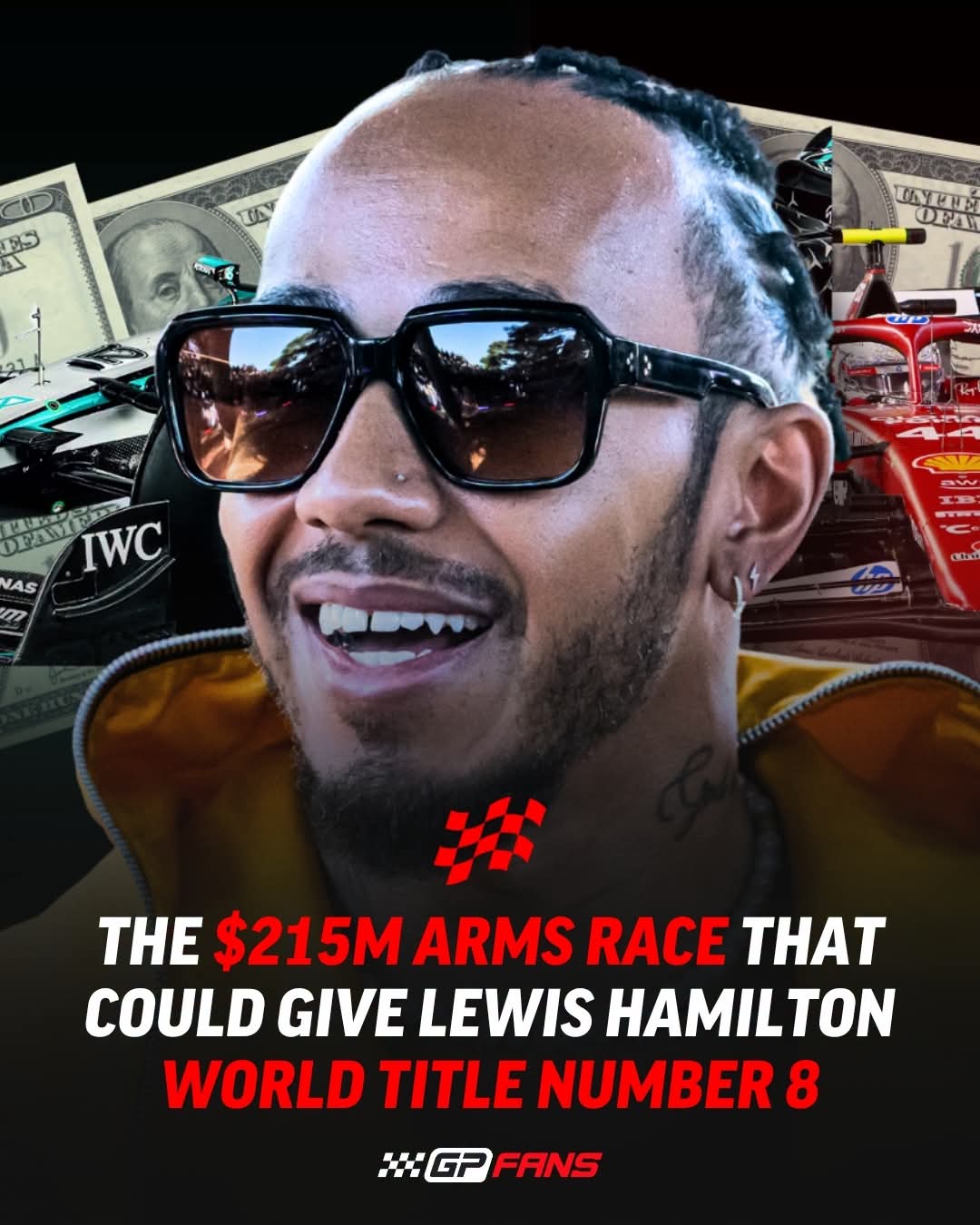
Formula 1’s cost cap was designed to create a more level playing field, but in 2026 it has sparked one of the most fascinating strategic battles the sport has seen in years. While fans focus on lap times and podium finishes, Ferrari and Mercedes are fighting a different war behind the scenes—one where every dollar spent on upgrades could determine who lifts both the Drivers’ and Constructors’ Championships. For Lewis Hamilton, now chasing an unprecedented eighth world title in Ferrari red, the way his team manages its remaining $215 million development budget could prove just as important as anything that happens on race day.
FERRARI AND MERCEDES HAVE CHOSEN COMPLETELY DIFFERENT PATHS
The championship battle has evolved into a fascinating contrast of philosophies.
Ferrari has taken an aggressive approach, bringing major aerodynamic and performance upgrades early in the campaign to maximize gains over a longer period. Mercedes, meanwhile, has remained noticeably more conservative, preferring smaller refinements while carefully preserving resources for later in the season.
That difference in strategy has already become one of the defining storylines of 2026. Ferrari is betting that early investment will produce enough performance to keep its drivers firmly in the title hunt, while Mercedes believes patience and precise timing will ultimately provide a stronger finish to the championship.
Neither approach is guaranteed to succeed, making the remaining races an intriguing tactical contest as much as a battle of driving talent.
WHY THE $215 MILLION COST CAP MATTERS MORE THAN EVER
Unlike previous eras when manufacturers could spend virtually unlimited amounts chasing performance, Formula 1 teams now operate under strict financial regulations.
For the 2026 season, the FIA increased the cost cap to $215 million to accommodate the sport’s all-new chassis and power unit regulations. However, every development decision now carries greater consequences because every new floor, front wing, suspension component, simulation program, and manufacturing process must fit within that fixed budget.
Although driver salaries, marketing expenses, travel costs, and the wages of each team’s three highest-paid employees remain excluded, the majority of performance-related spending falls directly under the cap.
As a result, teams are no longer asking only whether an upgrade works—they must also determine whether it is worth sacrificing future development opportunities.
LEWIS HAMILTON IS ALREADY BENEFITING FROM FERRARI’S AGGRESSIVE APPROACH
Ferrari’s willingness to spend early has already produced visible results.
The team’s comprehensive upgrade package introduced earlier this season dramatically improved the SF-26, allowing Hamilton to end one of the longest victory droughts of his Formula 1 career with a landmark win in Spain. That success immediately reignited his championship campaign and demonstrated that Ferrari’s development program was delivering measurable performance gains.
Charles Leclerc has also remained competitive throughout the campaign, giving Ferrari two legitimate title contenders while simultaneously applying pressure on Mercedes.
For Hamilton, every successful upgrade increases confidence that Ferrari can finally provide him with machinery capable of breaking Michael Schumacher’s long-standing record and securing an eighth world championship.
MERCEDES MAY STILL HOLD THE STRATEGIC ADVANTAGE
Despite Ferrari’s recent momentum, Mercedes could ultimately emerge as the bigger winner if its long-term strategy pays off.
Rather than introducing extensive upgrade packages at every opportunity, Mercedes has focused on gathering race data before committing significant portions of its budget. That patience could allow engineers to design more refined components later in the season based on a far larger understanding of the current regulations.
With additional financial flexibility still available under the cost cap, Mercedes could unleash several impactful upgrades during the championship’s decisive phase—precisely when rivals may be approaching their spending limits.
It’s a high-risk strategy, but one that could prove devastating if Ferrari runs out of development opportunities before the final flyaway races.
THE COST CAP HAS TURNED DEVELOPMENT INTO A CHAMPIONSHIP WEAPON
The battle is no longer simply about designing the fastest car.
Modern Formula 1 rewards teams capable of maximizing every development cycle while avoiding unnecessary spending. Every crash repair, manufacturing revision, and experimental upgrade consumes part of the budget that might otherwise be invested elsewhere.
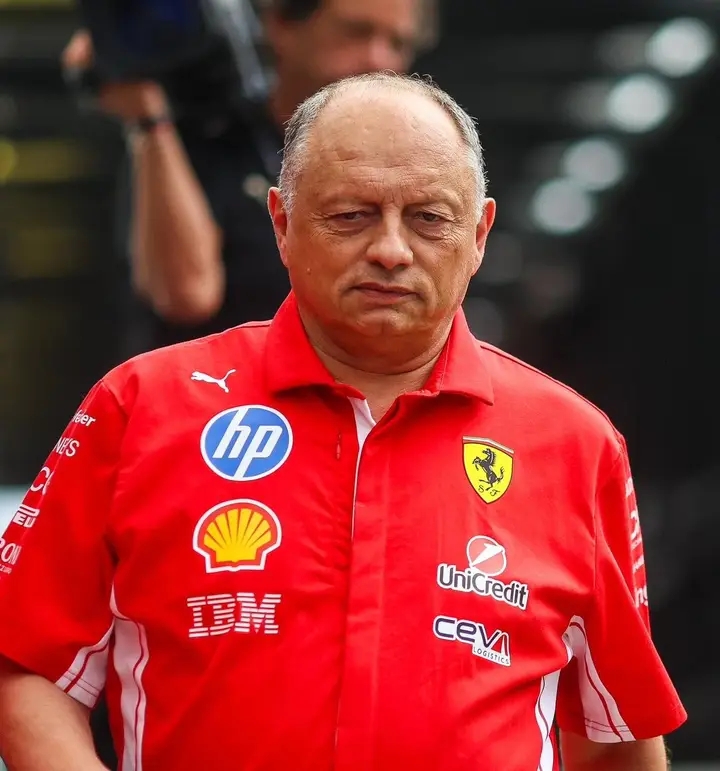
This reality explains why rival team principals have openly questioned each other’s development programs throughout the season. Mercedes boss Toto Wolff recently suggested Ferrari’s aggressive upgrade schedule would inevitably consume its available resources, comments that Ferrari team principal Fred Vasseur interpreted as criticism of the Scuderia’s financial management.
The exchange highlights how financial planning has become almost as competitive as engineering itself.
CAN FERRARI’S EARLY INVESTMENT DELIVER AN EIGHTH TITLE?
Hamilton’s championship hopes may ultimately depend on whether Ferrari has timed its development correctly.
If the current upgrades continue producing gains while leaving enough budget for one or two additional performance packages later in the season, Ferrari could maintain enough momentum to challenge Mercedes until the final race.
However, should the team exhaust its available resources too early, Hamilton could find himself fighting increasingly faster rivals with a car that has reached the limit of its development.
The championship battle therefore extends well beyond the cockpit. Engineers, aerodynamicists, financial planners, and factory managers all have equally important roles in determining whether Hamilton’s historic title pursuit succeeds.
WHY THE SECOND HALF OF 2026 COULD DECIDE FORMULA 1’S FUTURE
The remaining races will likely provide the strongest test yet of Formula 1’s cost-cap era.
Rather than rewarding whichever manufacturer spends the most money, the regulations now reward efficiency, planning, and long-term thinking. That creates a more unpredictable championship where development timing can become the difference between victory and defeat.
Ferrari’s aggressive philosophy has already delivered race wins and renewed optimism around Hamilton’s title ambitions. Mercedes, meanwhile, remains convinced that carefully managing its remaining budget will produce a stronger finish when the championship enters its decisive stages.
Only one strategy will ultimately be remembered as the correct one. If Ferrari’s calculated gamble continues paying dividends, Lewis Hamilton could complete one of the greatest stories in Formula 1 history by capturing a record-breaking eighth world championship. If Mercedes’ patience proves superior, however, Hamilton’s dream may once again be postponed by the unforgiving mathematics of Formula 1’s modern financial era.