Aston Martin’s ambitious partnership with Honda was expected to mark the beginning of a new era in Formula 1. Instead, the 2026 campaign has become one of the biggest disappointments on the grid, with the Silverstone-based team battling reliability problems, a severe lack of straight-line speed, and performances well below expectations.
Now, fresh reports suggest the problems ran much deeper than initially believed. According to claims emerging from Spain, legendary Formula 1 designer Adrian Newey was reportedly forced to redesign virtually the entire AMR26 after discovering Honda’s new-generation power unit would not properly integrate with Aston Martin’s original chassis concept.
If accurate, the revelation highlights just how challenging Formula 1’s sweeping 2026 regulations have become—and explains why Aston Martin has struggled so dramatically compared to many of its rivals.
ASTON MARTIN’S 2026 PROJECT STARTED WITH A MAJOR OBSTACLE
Formula 1’s 2026 regulations introduced one of the sport’s biggest technical resets in decades. Teams were required to build entirely new cars around a radically different power unit package featuring a greater reliance on electrical power while maintaining internal combustion engines.
Aston Martin entered the new era with enormous expectations. The team secured Adrian Newey after his legendary success at Red Bull and also switched from Mercedes customer engines to becoming Honda’s exclusive factory partner.
However, reports now suggest those two projects never aligned as smoothly as anticipated.
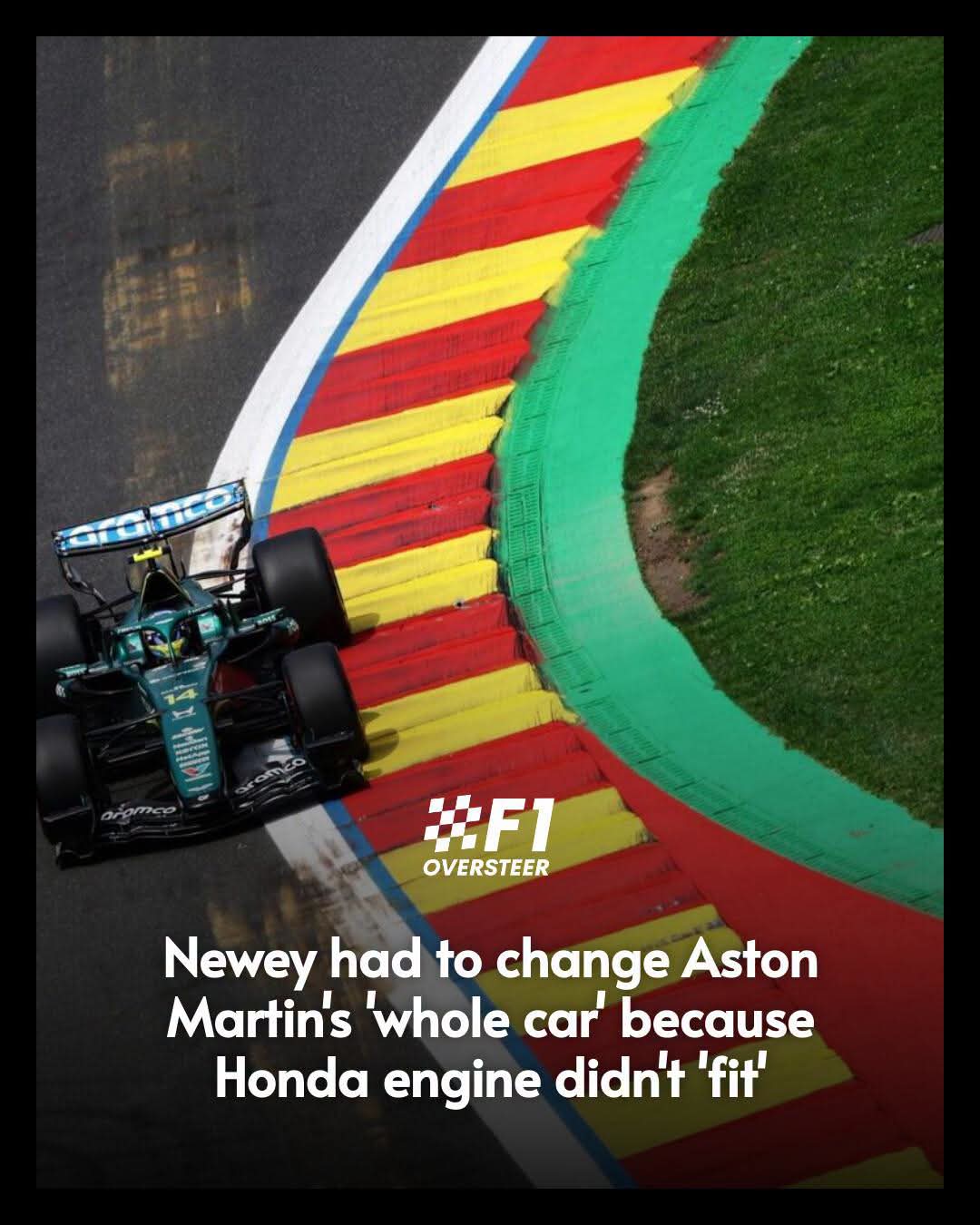
According to Spanish journalist Roldan Rodriguez, Aston Martin discovered during development that Honda’s engine package simply did not fit the original chassis design. Rather than making minor adjustments, the engineering department reportedly had to redesign significant portions of the car to accommodate the power unit.
Such late-stage redesigns can dramatically affect every area of performance, from aerodynamics and cooling to weight distribution and suspension geometry.
HONDA’S DEVELOPMENT CHALLENGES HAVE COMPOUNDED THE PROBLEM
The chassis redesign appears to have been only one piece of Aston Martin’s growing headache.
Honda returned as Aston Martin’s exclusive works supplier after previously announcing its departure from Formula 1 before reversing course for the new regulations. While the Japanese manufacturer has produced championship-winning engines in recent years, developing an all-new power unit under fresh regulations presented an enormous challenge.
Several reports have suggested Honda entered 2026 behind schedule compared to some rivals, leaving Aston Martin with an engine package suffering from reliability concerns, excessive vibration, and a significant horsepower deficit.
Some estimates claim Aston Martin could be giving away as much as 100 horsepower to the leading manufacturers, though the exact figure has not been officially confirmed.
Whatever the precise number, the performance gap has been visible throughout the season.
NEWEY’S ARRIVAL HAS NOT DELIVERED IMMEDIATE RESULTS
Adrian Newey’s move to Aston Martin was viewed as one of the biggest engineering signings in Formula 1 history.
His arrival created expectations that Aston Martin would immediately challenge Mercedes, Ferrari, McLaren, and Red Bull for victories.
Instead, Newey has inherited a project requiring extensive problem-solving before genuine performance gains can even be explored.
Even Formula 1’s greatest designers cannot unlock aerodynamic performance if the power unit, packaging, and overall platform remain compromised. Every aerodynamic concept depends on stable foundations, and Aston Martin appears to have spent much of 2026 simply trying to stabilize its car.
That explains why Newey’s influence may take considerably longer to become visible than many fans originally expected.
THE RESULTS TELL THE STORY
The numbers paint a worrying picture.
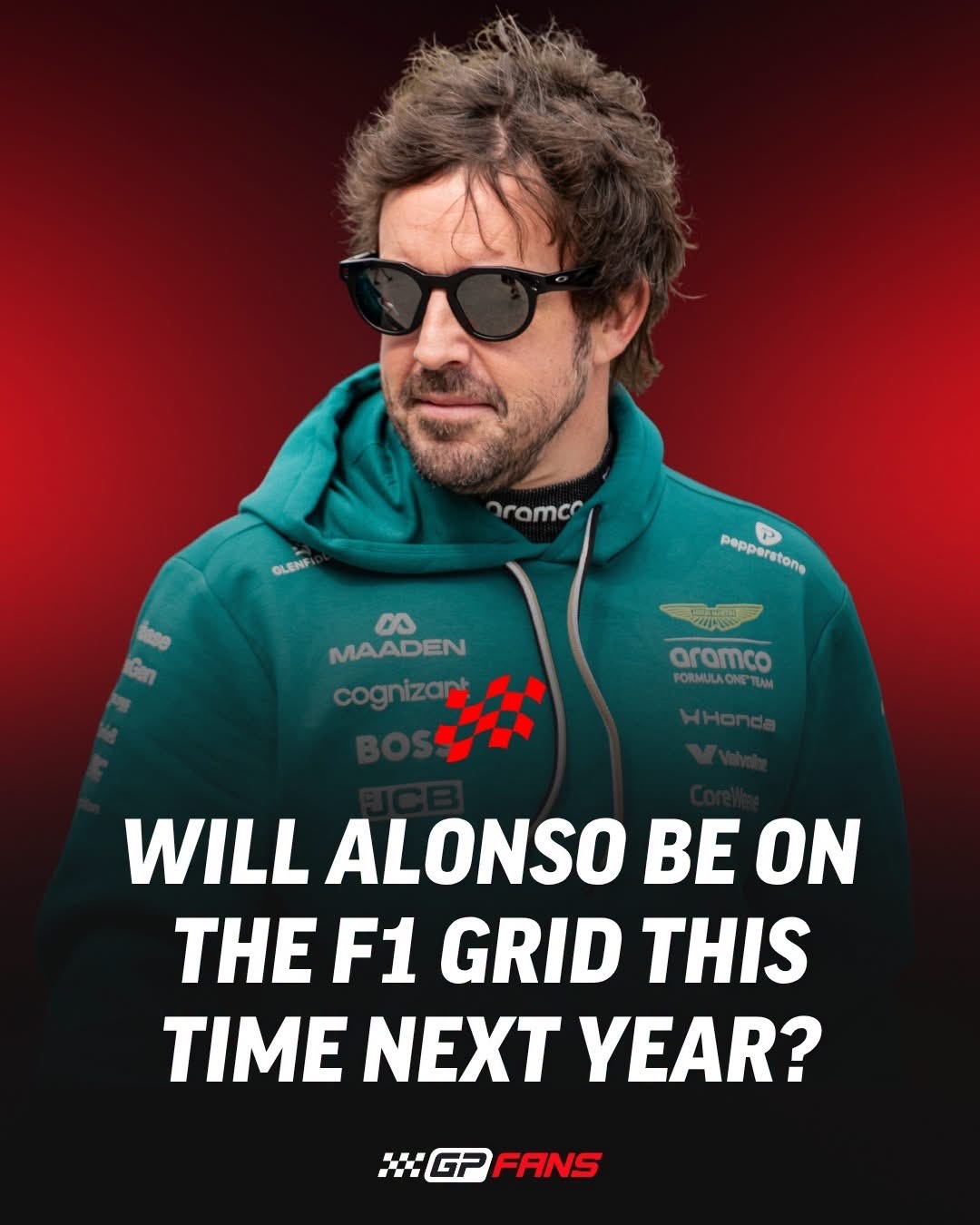
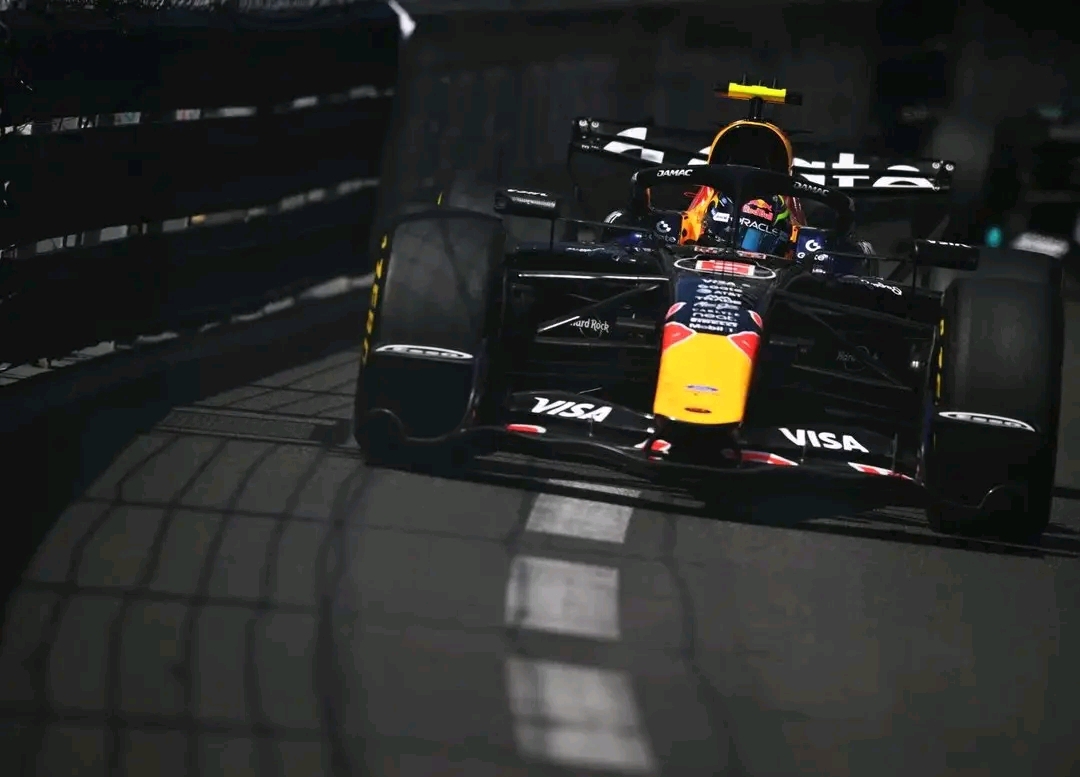
Fernando Alonso has scored Aston Martin’s only point of the season after benefitting from circumstances in Monaco, while teammate Lance Stroll has struggled to consistently challenge for points finishes.
The team’s pace has often placed them near the back of the field, and reports from Spa suggested Aston Martin lost significant time on the long straights compared to virtually every rival.
Meanwhile, Mercedes leads both championships, Ferrari remains its closest challenger, and McLaren continues to develop steadily.
Even newcomer Cadillac has shown encouraging progress during the season, underlining just how difficult Aston Martin’s campaign has become.
CAN HUNGARY’S UPGRADES CHANGE THE SEASON?
Aston Martin is expected to introduce updates at the Hungarian Grand Prix before Formula 1 heads into its summer break.
However, expectations remain modest.
Conflicting reports have emerged regarding Honda’s latest engine improvements. Some sources have suggested meaningful gains could arrive, while others believe any performance increase will be relatively small and unlikely to eliminate Aston Martin’s substantial deficit.
If the underlying power unit limitations remain unresolved, aerodynamic upgrades alone are unlikely to transform the team’s competitiveness.
WHY THIS MATTERS FOR FORMULA 1
Aston Martin invested heavily to become a future championship contender. The combination of Lawrence Stroll’s financial backing, Adrian Newey’s design expertise, Honda’s factory partnership, and world champion Fernando Alonso appeared capable of producing one of Formula 1’s strongest projects.
Instead, the 2026 season serves as a reminder that Formula 1 success depends on complete integration between chassis, engine, electronics, and aerodynamics.
One weak link can compromise an entire project.
The coming months will be crucial. If Honda can unlock meaningful performance and reliability improvements while Newey continues refining the AMR26, Aston Martin could still recover before the end of the regulation cycle.
If not, what was supposed to be Formula 1’s next powerhouse risks spending multiple seasons rebuilding while rivals continue pulling further ahead.