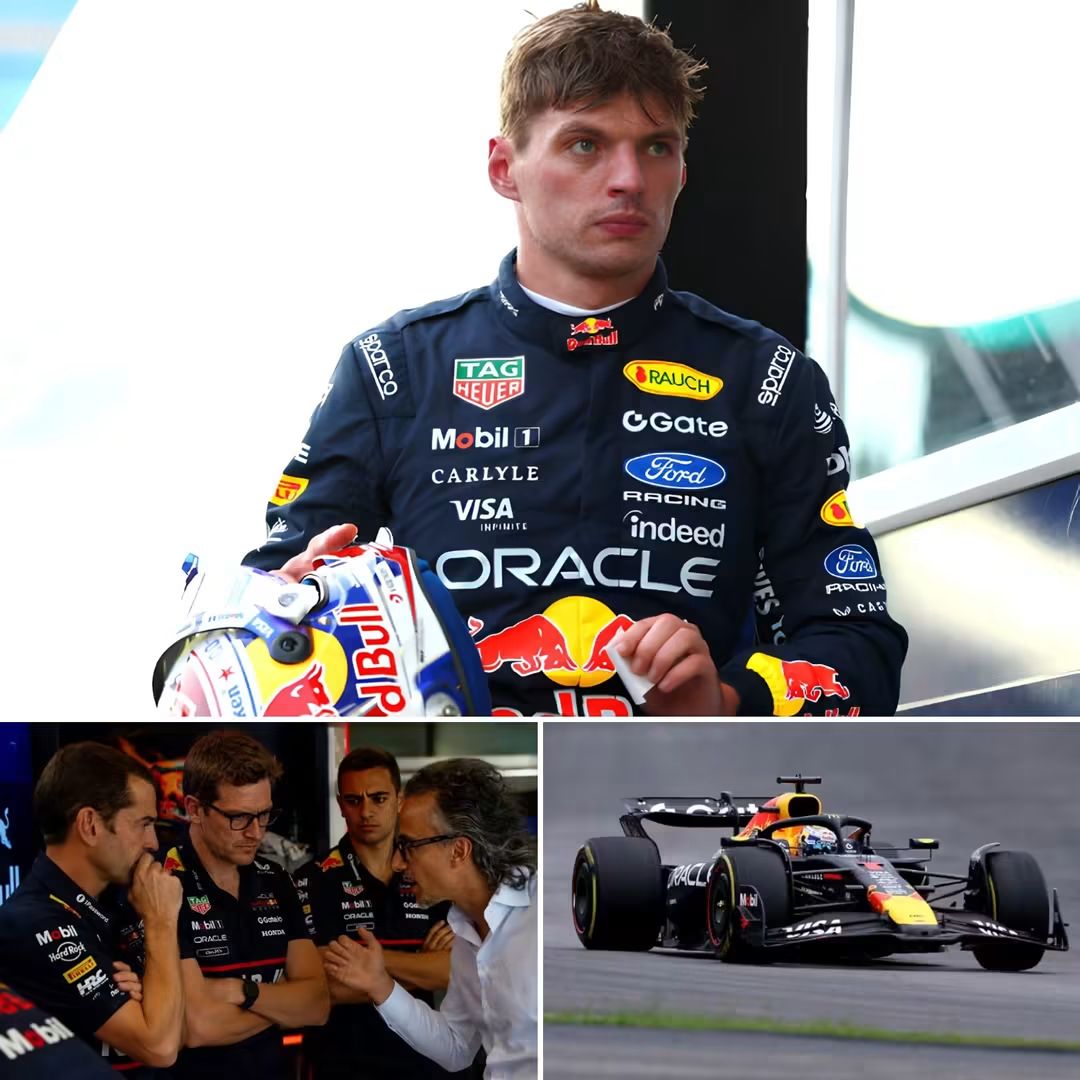
Red Bull Racing walked away from the Azerbaijan Grand Prix with a double podium and a near-miss at their first win of 2026. Yet the real story from Baku was not the 0.196-second gap that separated Max Verstappen from George Russell at the line. It was the quiet, calculated decision made inside the team’s command centre that kept Isack Hadjar firmly behind his teammate even when the younger driver looked faster on fresher rubber.
That choice was no accident. Team principal Laurent Mekies and his strategists had already war-gamed the scenarios. They elected to hold station. Both drivers followed the plan with discipline. Hadjar, freshly returned from a wrist injury, showed impressive maturity. Verstappen protected his position without unnecessary risk. The result was a solid haul of points and a moral boost after a difficult campaign. But the underlying question now hangs over the remaining races: did Red Bull prioritise short-term team result over long-term driver hierarchy and championship momentum?
WHY THE DECISION MATTERS BEYOND ONE RACE
Formula 1 teams live and die by internal order. When a younger driver is instructed not to challenge the established number one, it sends a clear signal about the pecking order. Red Bull has spent years building a culture around Verstappen as the undisputed leader. Extending that culture into a season where the car is no longer dominant tests the strength of that structure.
Hadjar arrived in Baku as the comeback story. After a six-week absence he delivered a podium on merit. Allowing him to pass Verstappen when he had the tyre advantage could have delivered an even stronger team result or, at minimum, valuable data on the relative pace of the two cars. Instead, Red Bull chose the safer path: keep Verstappen ahead, bank the points, and hope a late Safety Car shuffled the pack in their favour. The Safety Car never came. Russell held on. Red Bull left Baku wondering what might have been.
This is not the first time a top team has faced the same dilemma. Ferrari’s hesitation at Zandvoort earlier this year drew heavy criticism. Red Bull’s approach was more decisive, yet the optics remain delicate. Fans and rival teams notice when one driver is told to hold position while the other is free to push. In a season without a clear constructors’ or drivers’ title fight for the Milton Keynes squad, every strategic call carries extra weight for 2027 development and driver confidence.
THE BIGGER PICTURE FOR RED BULL’S REBUILD
Red Bull is still recovering from the seismic changes of the past two years. Christian Horner’s exit, Adrian Newey’s departure, and the corporate reset under Oliver Mintzlaff created a new leadership model. Laurent Mekies has brought a calmer, more collaborative style. Max Verstappen’s contract extension through 2030 provided stability. The final major upgrade package of 2026 arrived in Baku with the explicit understanding that the majority of resources have already shifted to next year’s car.
Against that backdrop, the Baku strategy decision looks like a microcosm of the larger challenge. Red Bull must balance immediate results with the need to develop both drivers and the car. Hadjar’s performance under restriction showed he can deliver when asked. Verstappen’s ability to manage a car that is no longer the class of the field remains exceptional. Yet the team’s first win of the season continues to elude them. Every race from here becomes a test of whether the current approach accelerates the rebuild or simply manages decline.
WHAT COMES NEXT FOR THE DRIVERS AND THE TEAM
The remaining races offer limited opportunity for major performance gains. With resources largely redirected to 2027, Red Bull will rely on fine-tuning, operational excellence, and driver skill. How Mekies handles future intra-team battles will be closely watched. If Hadjar continues to show strong pace, the pressure to give him freer rein will grow. If Verstappen remains the clearer points scorer, the hierarchy stays intact.
For the broader industry, the episode underlines a familiar tension. Modern Formula 1 rewards data-driven strategy and long-term planning. It also rewards drivers who can over-perform and teams willing to take calculated risks. Red Bull’s choice in Baku was rational on paper. Whether it proves the right call for the second half of the season will only become clear in the points table and the mood inside the garage.
Red Bull still has time to convert strong race pace into that elusive first victory of 2026. The decision made behind closed doors in Baku will not define the entire campaign on its own. But it has already revealed how the team prioritises stability, hierarchy, and collective result when the pressure is on. In a season of transition, those priorities may matter more than any single upgrade package.