In the high-stakes world of Formula 1, careers can turn on a single opportunity—or the quiet intervention of someone willing to back talent with real money. A decade after Esteban Ocon first climbed into a Grand Prix car, Mercedes team principal Toto Wolff has revealed the pivotal personal contribution that made it possible: current Ferrari boss Fred Vasseur stepped in with the missing funds to secure Ocon’s 2016 debut seat at Manor Racing.
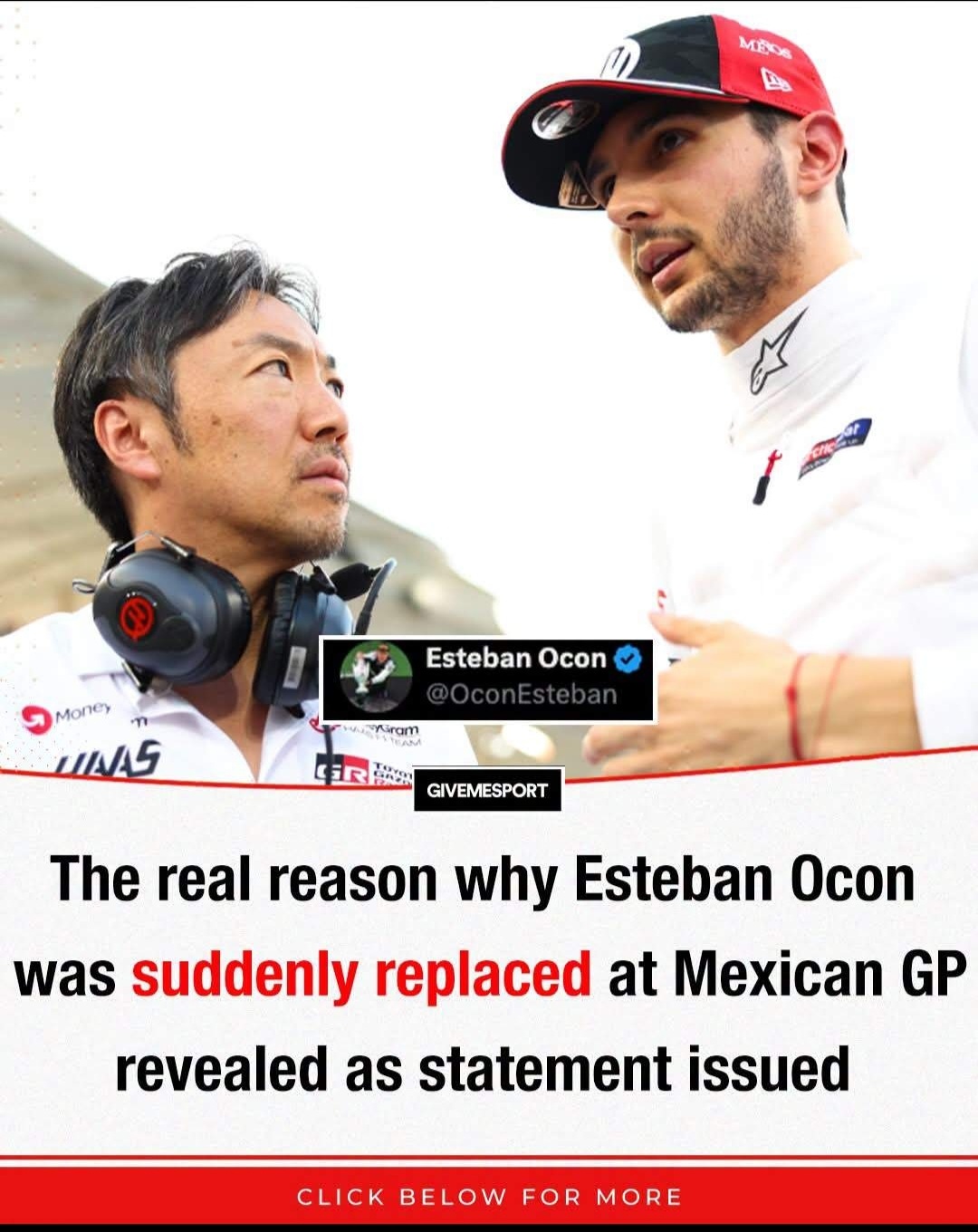
The story, shared during Friday’s team principals’ press conference at the São Paulo Grand Prix, adds a powerful human layer to a career now facing fresh uncertainty after Ocon’s mid-season departure from Haas.
THE $2 MILLION BARRIER THAT NEARLY KEPT OCON OFF THE GRID
By mid-2016, Esteban Ocon had already proven himself. He dominated the 2015 GP3 Series with Vasseur’s ART Grand Prix team, collecting 14 podiums in 18 races and securing the championship. Mercedes had brought him into its junior programme, and after a stint in DTM with ART, a late-season opening appeared at the backmarker Manor team when Rio Haryanto’s funding dried up.
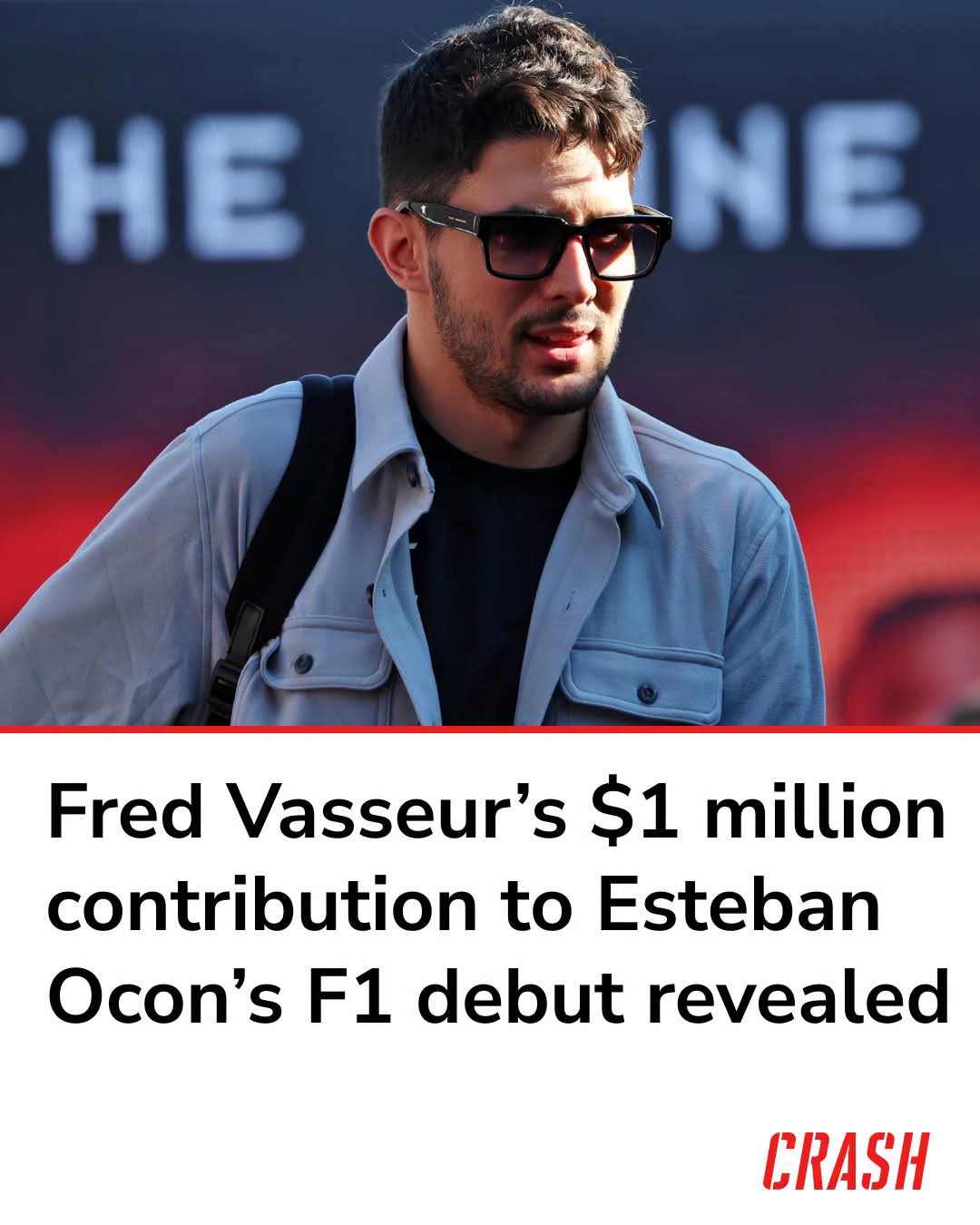
The catch was financial. The seat for the final nine races of the season, beginning at the Belgian Grand Prix at Spa, required $2 million. Mercedes could cover half. That left a $1 million shortfall. According to Wolff, Vasseur closed the gap himself. “Fred put the money in personally to give Esteban the opportunity,” Wolff said.
Ocon, then 19, made his Formula 1 debut at Spa and completed the remaining races of 2016. That half-season exposure proved decisive. It kept him visible, demonstrated his race craft in a difficult car, and opened the door to a full-time seat at Force India the following year.
WHY VASSEUR’S GAMBLE MATTERED FAR BEYOND ONE SEAT
In junior single-seaters and the lower ranks of Formula 1, money frequently decides who progresses and who stalls. Pay drivers and budget shortfalls have ended countless promising careers. Vasseur’s decision was unusual because it was personal rather than corporate. At the time he ran ART and had previously worked with Ocon in GP3 and DTM. He saw a pure competitor and was prepared to underwrite the risk.
The impact stretched across multiple seasons and teams. Without that Manor opportunity, Ocon might have remained stuck in DTM or left European racing altogether. Instead he progressed to Force India/Racing Point, then Renault/Alpine, where he scored his sole Grand Prix victory in Hungary in 2021, and later Haas. Along the way he earned a reputation as a resilient, no-nonsense racer who could extract results from midfield machinery and occasionally punch above it.
For Mercedes, the episode illustrated the value of its junior programme and the collaborative relationships Wolff built with figures like Vasseur and academy figure Gwen Lagrue. For Vasseur, it underscored a management style that prioritises driver potential over short-term balance sheets—an approach that has followed him from ART through Sauber/Alfa Romeo to Ferrari.
THE BROADER INDUSTRY LESSON ON TALENT AND ACCESS
Formula 1 has worked hard in recent years to reduce pure pay-driver influence through better junior pathways, prize money structures, and academy systems. Yet the Ocon story remains a reminder that personal relationships and individual risk-taking still matter. A $1 million personal cheque in 2016 looks modest against today’s team budgets, but at the time it was the difference between a career launching and one potentially stalling.
It also highlights how early alliances shape the paddock for years. Wolff and Vasseur worked together on Ocon’s development long before they became rival team principals at Mercedes and Ferrari. Their shared history resurfaced in Brazil as both men reflected on Ocon’s latest setback with measured respect. Vasseur described him as a “pure competitor” who had put enormous energy into remaining in Formula 1, while carefully declining to comment on the internal Haas situation.
WHERE THE STORY LEAVES OCON AND THE SPORT
Ocon’s abrupt exit from Haas after the Mexico City Grand Prix has left his immediate future unclear. At 30 he still possesses the experience, consistency and competitive edge that midfield teams value. Whether another seat materialises for 2027 will depend on performance data, market timing and the willingness of teams to invest in a proven but sometimes polarising driver.
The revelation of Vasseur’s earlier support adds texture to that discussion. It shows that Ocon’s path into Formula 1 was never purely institutional. It required someone who believed enough to put personal capital on the line. In a sport increasingly dominated by corporate structures and manufacturer programmes, that human element remains one of its most compelling narratives.
A decade on, the same two team principals who helped open the door for Ocon are now leading two of the biggest names in the sport. Their willingness to revisit that 2016 decision publicly suggests the investment was never just about one seat. It was about recognising talent early and refusing to let a funding gap decide the outcome. In Formula 1, those moments often define more than a single career—they shape the culture of opportunity itself.