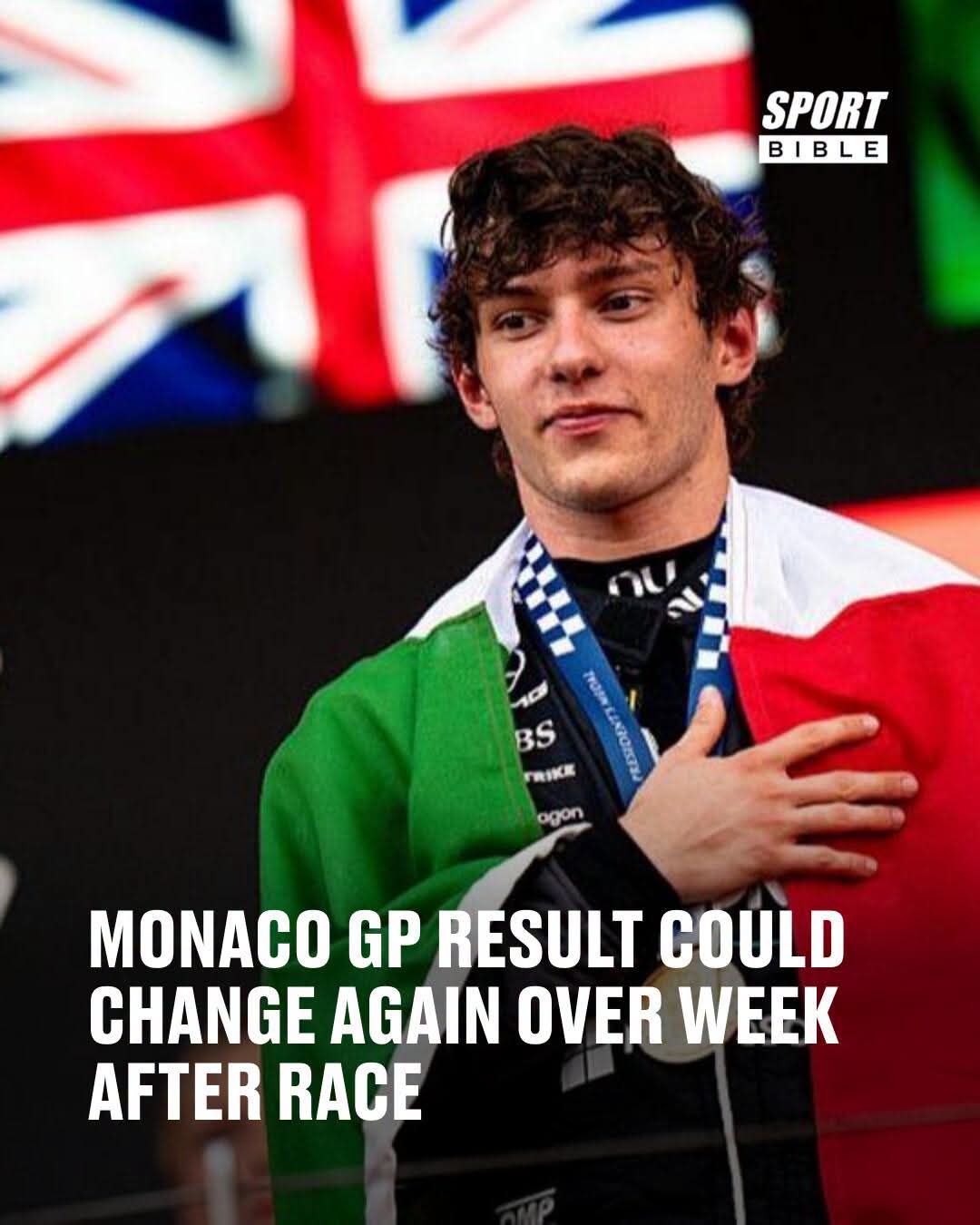
More than a week after the Monaco Grand Prix appeared settled, Formula 1 finds itself facing another legal and sporting controversy. What should have been a closed chapter in the 2026 season has instead evolved into one of the most debated officiating disputes in recent memory, with the possibility that the Monaco race classification could change yet again.
At the center of the storm is Alpine driver Pierre Gasly, whose reinstated podium finish has triggered reactions from rival teams, raised questions about FIA consistency, and potentially opened a legal battle that could have implications far beyond the streets of Monte Carlo.
HOW THE MONACO CONTROVERSY BEGAN
The original controversy emerged during the Monaco Grand Prix when several drivers were penalized for pit-lane speeding violations. Among those sanctioned were Pierre Gasly, George Russell, Lewis Hamilton, Oscar Piastri, and Franco Colapinto.
Gasly initially suffered the biggest consequence. The Alpine driver was stripped of a podium finish after receiving a penalty that dropped him from third place down to seventh in the final classification.
At the time, the ruling appeared straightforward. Teams accepted the decision, adjusted their race strategies accordingly, and the official result was published.
However, Formula 1 rarely remains simple when regulations, timing systems, and championship points are involved.
FIA REVERSAL CREATES A NEW PROBLEM
Following a formal review process, Alpine presented evidence that led officials to reconsider the original decision. The FIA ultimately concluded that Gasly had not actually exceeded the pit-lane speed limit and that the speed calculation used during the race was incorrect.
The result was dramatic.
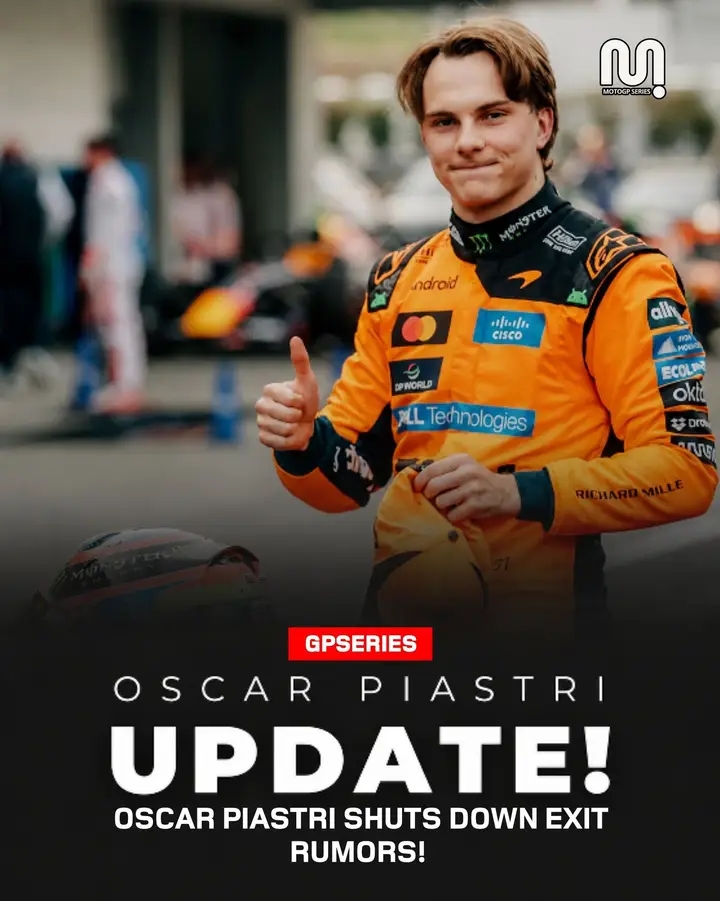
Gasly regained third place and returned to the podium. Several other drivers were pushed down the order as a consequence, including Isack Hadjar and Oscar Piastri.
While Alpine celebrated what it viewed as justice being served, rival teams immediately began questioning the broader implications.
The issue was no longer simply whether Gasly deserved his podium. The bigger question became whether it was fair to reverse one penalty after other teams had already accepted similar punishments and structured their races around those decisions.
WHY McLAREN IS CHALLENGING THE DECISION
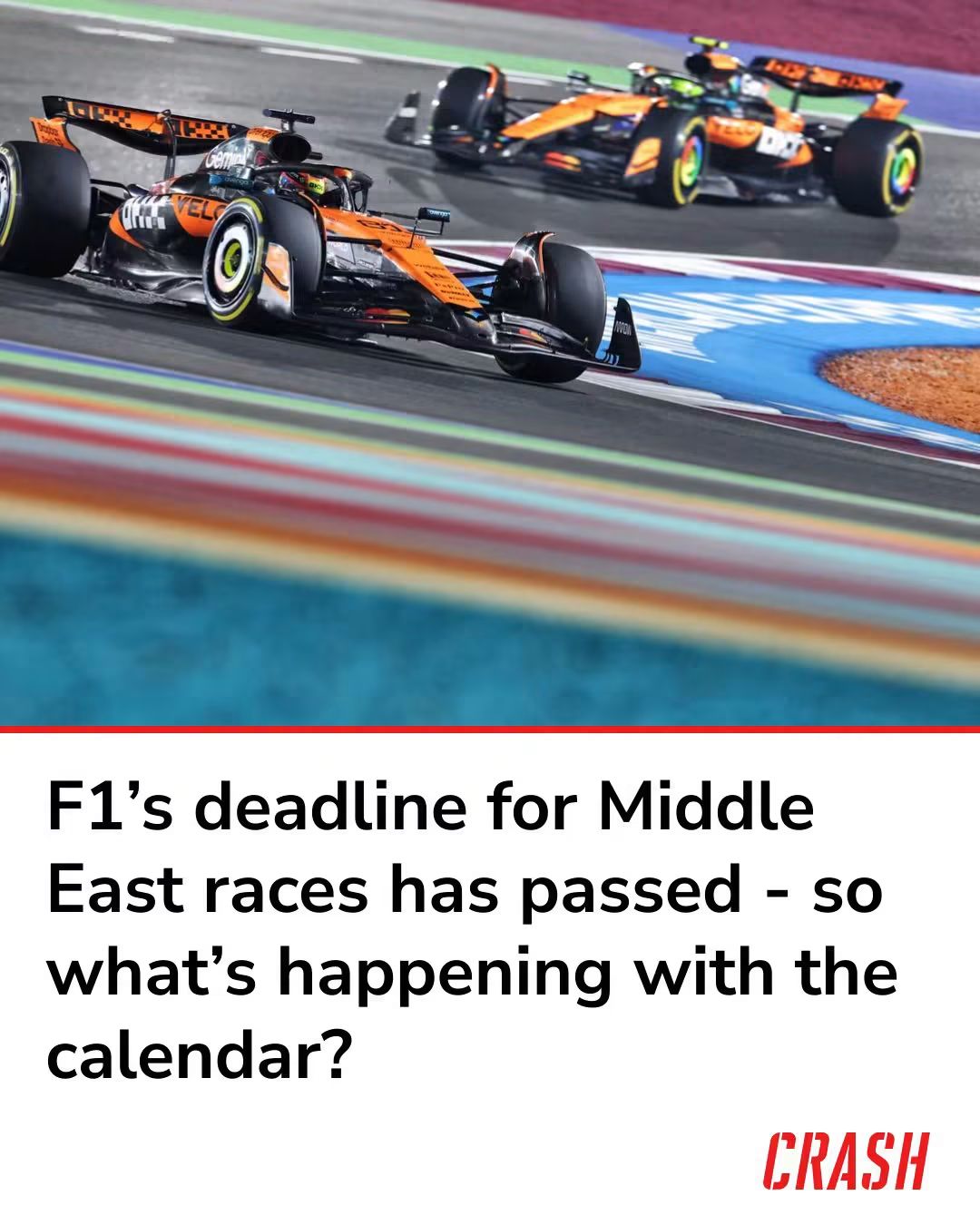
McLaren has emerged as the most vocal opponent of the FIA’s ruling.
The Woking-based team argues that every competitor operated under the same interpretation of the rules during the Monaco weekend. Teams monitored pit-lane speeds, accepted penalties when they occurred, and adapted race strategies based on the information available at the time.
From McLaren’s perspective, changing a penalty after the event creates a competitive imbalance.
The team’s concern is not necessarily directed at Alpine or Gasly specifically. Instead, it centers on the principle of consistency. If one penalty can be overturned after the race due to revised calculations, it raises questions about whether other penalties from the same event should also be revisited.
That uncertainty strikes at the heart of sporting integrity.
MERCEDES HAS ITS OWN GRIEVANCE
Mercedes is also seeking answers.
George Russell was among the drivers penalized in Monaco and suffered one of the most damaging consequences of the weekend. The Mercedes driver ultimately lost a significant haul of championship points after being penalized for exceeding the pit-lane speed limit by an incredibly small margin.
Given the FIA’s admission that speed calculations were flawed in Gasly’s case, Mercedes naturally wants clarification on whether Russell’s penalty was judged using the same methodology.
For a team fighting at the front of both championships, every point matters. Russell’s lost points could prove crucial later in the season, especially with the title battle becoming increasingly competitive.
WHY THIS MATTERS FOR THE 2026 CHAMPIONSHIP
The controversy arrives at a particularly sensitive moment in the championship.
Lewis Hamilton’s resurgence with Ferrari, Kimi Antonelli’s impressive campaign, George Russell’s consistency, and McLaren’s growing competitiveness have created one of the most unpredictable title fights in recent years.
If Monaco points are altered again, the ripple effects could extend throughout the championship standings.
What appears to be a relatively small adjustment today could become a decisive factor months later if the title battle comes down to only a handful of points.
Formula 1 history is filled with championships decided by narrow margins. Teams are fully aware that every point can become priceless by the final race.
THE FIA FACES A CREDIBILITY TEST
Perhaps the biggest issue facing Formula 1 is not the championship itself but confidence in officiating.
The FIA has worked extensively in recent years to improve transparency and consistency in stewarding decisions. However, the Monaco situation threatens to reignite long-standing debates about how rules are interpreted and enforced.
Fans can accept controversial decisions if they are applied consistently. What becomes difficult to accept is the perception that identical situations might produce different outcomes.
The governing body now faces the challenge of explaining not only why Gasly’s penalty was overturned but also why other penalties should or should not be treated differently.
WHAT COULD HAPPEN NEXT?
Several scenarios remain possible.
The FIA Court of Appeal could uphold the revised Monaco result, leaving Gasly on the podium and ending the dispute.
Alternatively, further reviews could uncover broader issues with the pit-lane speed calculations, potentially forcing additional adjustments to the race classification.
There is also the possibility that the appeals fail entirely, preserving the current standings while leaving lingering questions about how the situation was handled.
Whatever the outcome, the controversy is unlikely to disappear quickly.
FORMULA 1 CANNOT AFFORD MORE UNCERTAINTY
Formula 1 enters the Austrian Grand Prix with momentum building across the championship, but the Monaco controversy remains an unwanted distraction.
The sport thrives on fierce competition, strategic battles, and on-track drama. What it does not need is uncertainty surrounding race results long after the checkered flag has fallen.
For Gasly, the podium remains a career-defining achievement. For McLaren and Mercedes, the fight is about protecting competitive fairness. For the FIA, it is about maintaining trust in the sport’s regulatory framework.
The next ruling may not only determine Monaco’s final classification—it could also shape how Formula 1 handles similar disputes for years to come.