Mercedes has been dealt another significant setback in its 2026 Formula 1 campaign after Team Principal Toto Wolff admitted the team is uncertain whether George Russell’s damaged engine from the Hungarian Grand Prix can be repaired. With the summer break approaching, the Silver Arrows now face a difficult strategic decision that could have a major impact on Russell’s championship aspirations for the remainder of the season.
The timing could hardly be worse. While teammate Andrea Kimi Antonelli continues to strengthen his lead at the top of the Drivers’ Championship, Russell is battling both fierce competition and a growing list of technical problems that have repeatedly disrupted what has otherwise been a highly competitive campaign.
ENGINE DAMAGE LEAVES MERCEDES WITH TOUGH DECISION
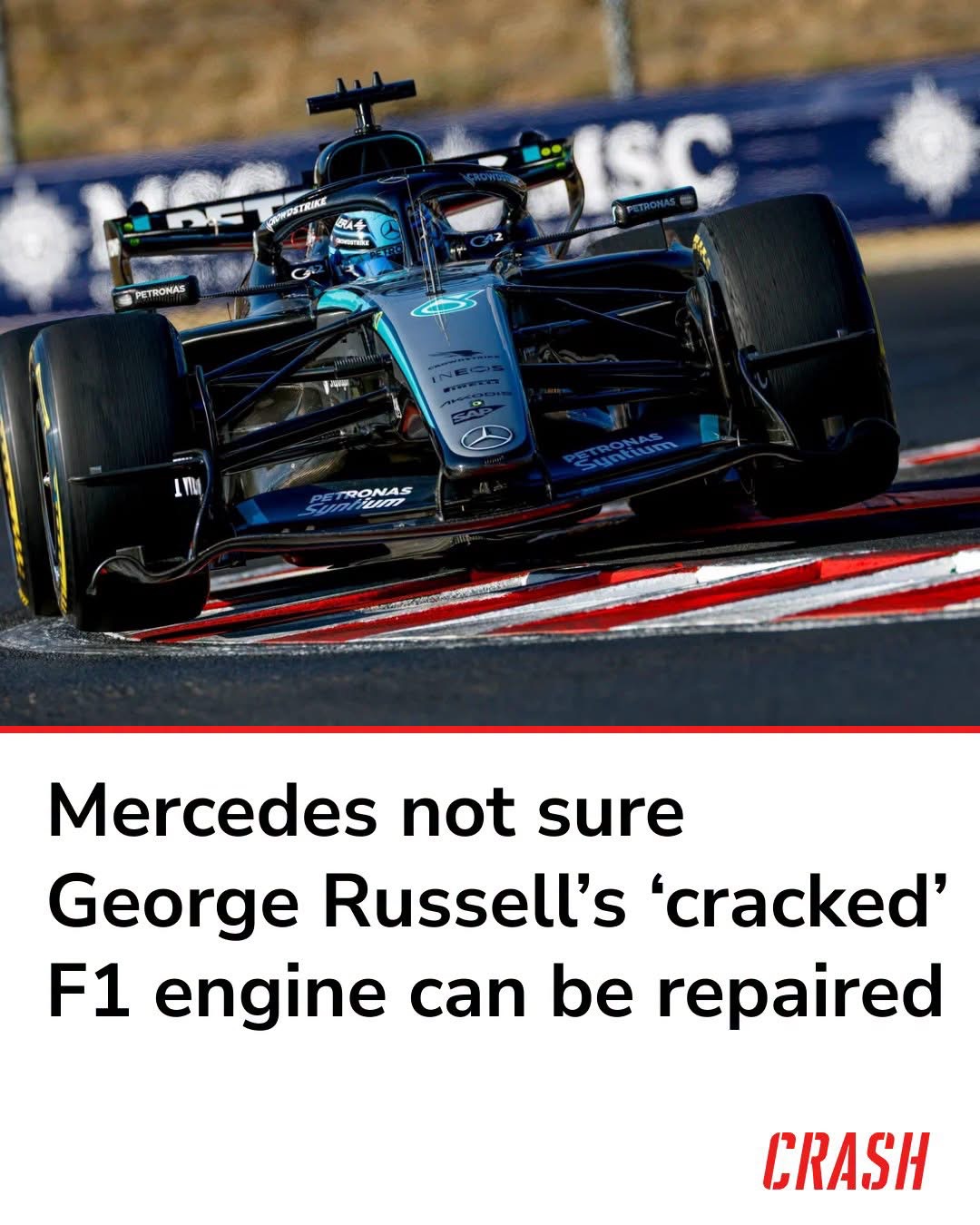
Russell’s problems began during qualifying at the Hungaroring when Mercedes detected a loss of water pressure caused by a crack in his power unit. The issue forced the British driver to stop on track at the end of Q3, ending his session prematurely and immediately raising concerns within the team.
Ahead of Sunday’s race, Mercedes replaced the damaged engine with Russell’s fourth power unit of the season—the final engine allowed under Formula 1 regulations before automatic grid penalties come into effect.
That means any additional engine replacement later this year would trigger a grid drop, adding another layer of complexity to Mercedes’ championship strategy.
Following the race, Wolff admitted the team still does not know whether the damaged engine can be repaired.
Engine specialists will now carry out a detailed inspection to determine whether the cracked unit can safely return to service. If the damage proves too severe, Mercedes may have little choice but to introduce a fifth engine later in the season.
RELIABILITY IS BECOMING MERCEDES’ BIGGEST ENEMY
Despite producing one of the fastest cars on the grid in 2026, Mercedes has been repeatedly frustrated by reliability concerns.
Mechanical failures have interrupted strong weekends for both Russell and Antonelli, forcing the team to consume its engine allocation earlier than planned. While outright pace has rarely been the issue, reliability has prevented Mercedes from fully maximizing its performance.
For a championship contender, that represents a worrying trend.
Modern Formula 1 titles are often decided by consistency rather than outright speed. Even the fastest car cannot deliver championships if recurring mechanical problems continue costing valuable points.
Mercedes engineers now face the dual challenge of maintaining competitiveness while improving the durability of one of the sport’s most complex hybrid power units.
RUSSELL’S TITLE CHALLENGE TAKES ANOTHER HIT
The Hungarian Grand Prix summed up Russell’s season perfectly.
After overcoming the disappointment of his qualifying engine issue, the British driver suffered another blow when his W17 experienced an anti-stall problem at the race start. Instead of fighting near the front, Russell was dropped toward the back of the field before producing an impressive recovery drive to finish seventh.
Although his comeback showcased his determination and race pace, the damage had already been done.
Meanwhile, Antonelli recovered from his own difficult weekend to secure another podium finish, extending his championship advantage over his teammate.
Russell admitted after the race that he has reached the point where disappointment no longer helps, choosing instead to focus on the positives after another frustrating afternoon.
His comments reflected a driver determined to remain optimistic despite an extraordinary run of bad luck.
MONZA COULD BECOME A STRATEGIC TURNING POINT
One of the biggest questions facing Mercedes is when to take an unavoidable engine penalty if a replacement becomes necessary.
Rather than waiting for another unexpected failure, teams often choose circuits where overtaking opportunities are greater, minimizing the impact of starting further down the grid.
Toto Wolff even suggested Monza could become a potential option, joking that beginning from the back there might reduce pressure while offering opportunities to recover positions during the race.
The Italian Grand Prix’s long straights and heavy braking zones have historically made overtaking easier than at many other circuits, making it one of the more logical venues for a strategic engine penalty.
However, every championship situation is different, and Mercedes will need to carefully evaluate where sacrificing points could cause the least damage.
ANTONELLI’S CHAMPIONSHIP LEAD PROVIDES MERCEDES WITH A SAFETY NET
While Russell’s title hopes have taken another hit, Mercedes can at least take comfort in Antonelli’s remarkable consistency.
The young Italian has emerged as the surprise star of the 2026 season, leading the Drivers’ Championship thanks to a combination of speed, maturity, and strong race management.
Even Antonelli, however, has already reached his fourth engine allocation, meaning Mercedes must manage reliability carefully across both sides of the garage.
Protecting the championship leader while giving Russell every opportunity to fight back will require flawless strategic planning during the second half of the season.
WHY RELIABILITY COULD DECIDE THE 2026 CHAMPIONSHIP
As Formula 1 enters the second half of the calendar, reliability may become just as important as aerodynamic development.
McLaren, Ferrari, Red Bull, and Mercedes all possess race-winning pace under the right circumstances, meaning even small mechanical setbacks can dramatically alter the championship picture.
If Mercedes successfully repairs Russell’s damaged engine, it could delay a costly grid penalty and preserve valuable points during the title fight.
If not, the team will need to carefully choose when to absorb the inevitable setback.
Championship-winning campaigns often hinge on difficult decisions made behind the scenes rather than spectacular moments on the racetrack.
LOOKING AHEAD TO THE SUMMER BREAK AND BEYOND
Despite another frustrating weekend, Mercedes has reasons to remain optimistic.
Russell’s recovery drive demonstrated that the W17 remains one of the fastest race cars on the grid, while Antonelli continues to deliver consistent podium finishes that keep Mercedes firmly in the championship hunt.
The priority during the summer break will now shift from extracting more performance to improving reliability and deciding the best strategy for managing both drivers’ remaining engine allocations.
If Mercedes can solve its durability issues, both drivers should remain regular contenders for victories during the closing stages of the season.
However, if reliability problems continue to overshadow the team’s pace, the Silver Arrows risk watching a promising championship campaign slip away—not because they lacked speed, but because they could not keep their cars running at full strength when it mattered most.