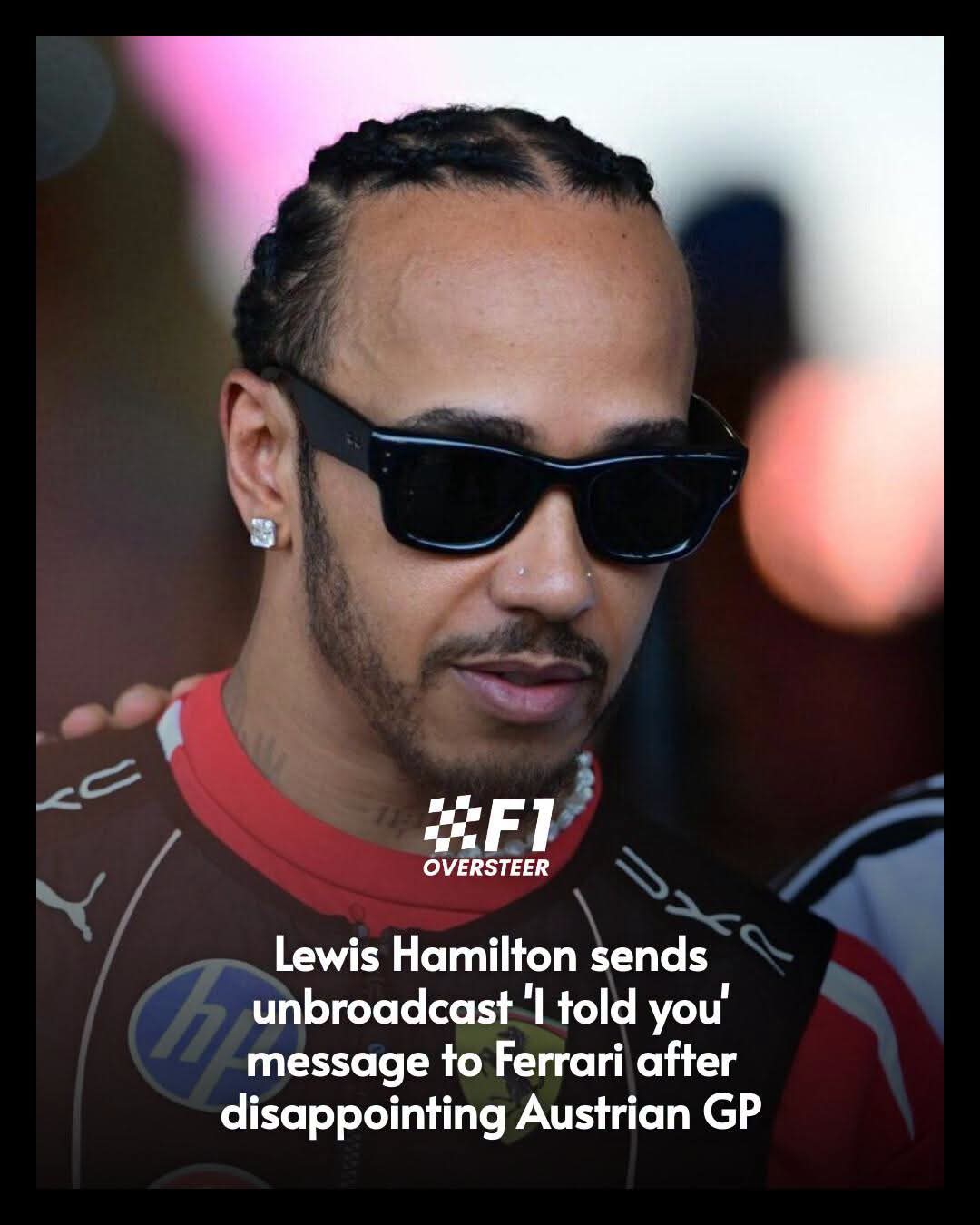
Lewis Hamilton left the Austrian Grand Prix frustrated after a race that began with podium hopes but ended in disappointment. The Ferrari driver crossed the finish line in fifth after a strategy gamble failed to deliver, and an unbroadcast radio message afterward revealed that Hamilton had warned the team about the very issue that ultimately compromised his afternoon.
The seven-time world champion remained supportive of Ferrari despite the setback, but his post-race comments highlighted how costly tyre management decisions can be in an increasingly competitive 2026 Formula 1 championship.
STRONG START TURNS INTO MISSED OPPORTUNITY
Hamilton lined up third on the grid after another encouraging qualifying performance that suggested Ferrari could challenge Mercedes throughout the race.
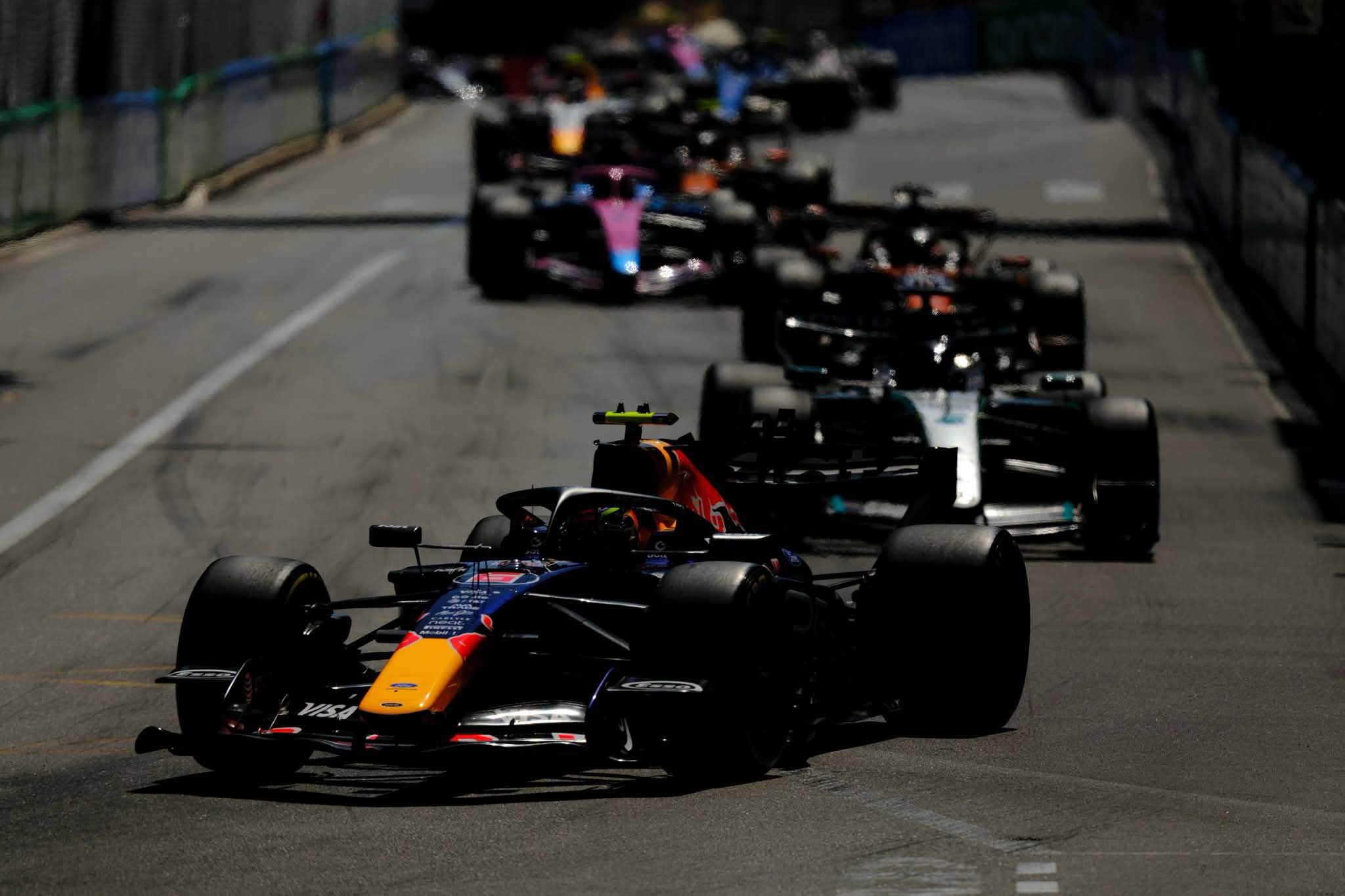
During the opening laps, the Briton looked well-positioned to fight near the front, even engaging in an entertaining wheel-to-wheel battle with Max Verstappen. However, as the race progressed, Ferrari’s tyre strategy began to unravel.
The decision to run the harder tyre compound for a crucial phase of the race proved expensive. Hamilton struggled to generate the necessary grip and pace, losing valuable seconds to rivals who were able to manage their tyres more effectively.
Instead of mounting a challenge for the podium, Ferrari gradually slipped backward, forcing Hamilton to settle for fifth place.
HAMILTON REVEALS HE PREDICTED THE TYRE PROBLEMS
After the chequered flag, Hamilton’s radio message suggested the outcome did not come as a surprise to him.
He reminded the team that he had warned about excessive tyre degradation earlier in the weekend and believed those concerns eventually became reality during the Grand Prix.
Despite his frustration, Hamilton avoided blaming the team directly.
Instead, he praised Ferrari’s pit crew for delivering strong pit stops and encouraged everyone to remain focused on the bigger picture.
His message reflected both disappointment and leadership—acknowledging the lost opportunity while reinforcing the importance of continuing development throughout the season.
That approach has become one of Hamilton’s defining qualities since joining Ferrari, consistently balancing honest technical feedback with public support for the team.
STRATEGY, NOT JUST CAR PERFORMANCE, PROVED DECISIVE
Ferrari entered Austria already aware that straight-line speed remained one of its biggest weaknesses.
However, unlike qualifying, Sunday’s race was influenced just as much by tyre management and strategic execution.
Formula 1 races are increasingly won through small operational details rather than outright pace alone. Choosing the correct tyre compound, extending stints at the right moment, and reacting to rivals’ strategies can often determine whether a driver fights for victory or slips out of podium contention.
Austria demonstrated that Ferrari still has work to do in maximizing race-day decisions.
Even with a competitive car, an ineffective strategy can erase the advantage built during qualifying.
THE CHAMPIONSHIP BATTLE REMAINS WIDE OPEN
Although Hamilton dropped valuable points, his title ambitions remain very much alive.
Mercedes continues to lead both championships, with Andrea Kimi Antonelli holding 171 points after another strong weekend. George Russell’s Austrian victory lifted him to 131 points, while Hamilton remains third with 125.
The gap is certainly manageable with many races still remaining on the calendar.
Upcoming circuits such as Silverstone, Spa, Monza, and Suzuka each present different technical challenges, meaning momentum can shift rapidly if Ferrari continues improving its package.
One strong weekend can dramatically reduce the championship deficit, particularly if Mercedes encounters reliability issues or strategic setbacks of its own.
FERRARI MUST LEARN FROM AUSTRIA QUICKLY
Hamilton’s comments serve as valuable feedback for Ferrari rather than criticism.
Throughout his Formula 1 career, he has consistently demonstrated an exceptional ability to read tyre behaviour during races. His experience often allows him to identify strategic risks before they become obvious from the pit wall.
If Ferrari can better integrate Hamilton’s feedback into its race planning, similar disappointments may become less frequent during the remainder of the season.
The team’s recent upgrades have already improved overall competitiveness, but maximizing those gains requires flawless execution every Sunday.
Strategy, communication, and tyre management must improve if Ferrari hopes to consistently challenge Mercedes for victories.
SILVERSTONE OFFERS THE PERFECT RESPONSE
The Austrian Grand Prix was undoubtedly a missed opportunity, but Ferrari has little time to dwell on the disappointment.
The championship now moves toward Silverstone, a circuit where Hamilton has enjoyed enormous success throughout his career and one where Ferrari will hope its recent upgrades prove more effective.
The British Grand Prix also provides an ideal chance for Hamilton to respond immediately.
A strong result would not only reduce the championship gap but also restore momentum after Austria’s frustrating outcome.
Hamilton’s unbroadcast message revealed that he saw the tyre problems coming long before they defined his race. The challenge for Ferrari now is ensuring those warnings translate into smarter decisions going forward.
With the title fight still developing, every lesson learned could prove crucial when the championship reaches its decisive final rounds.