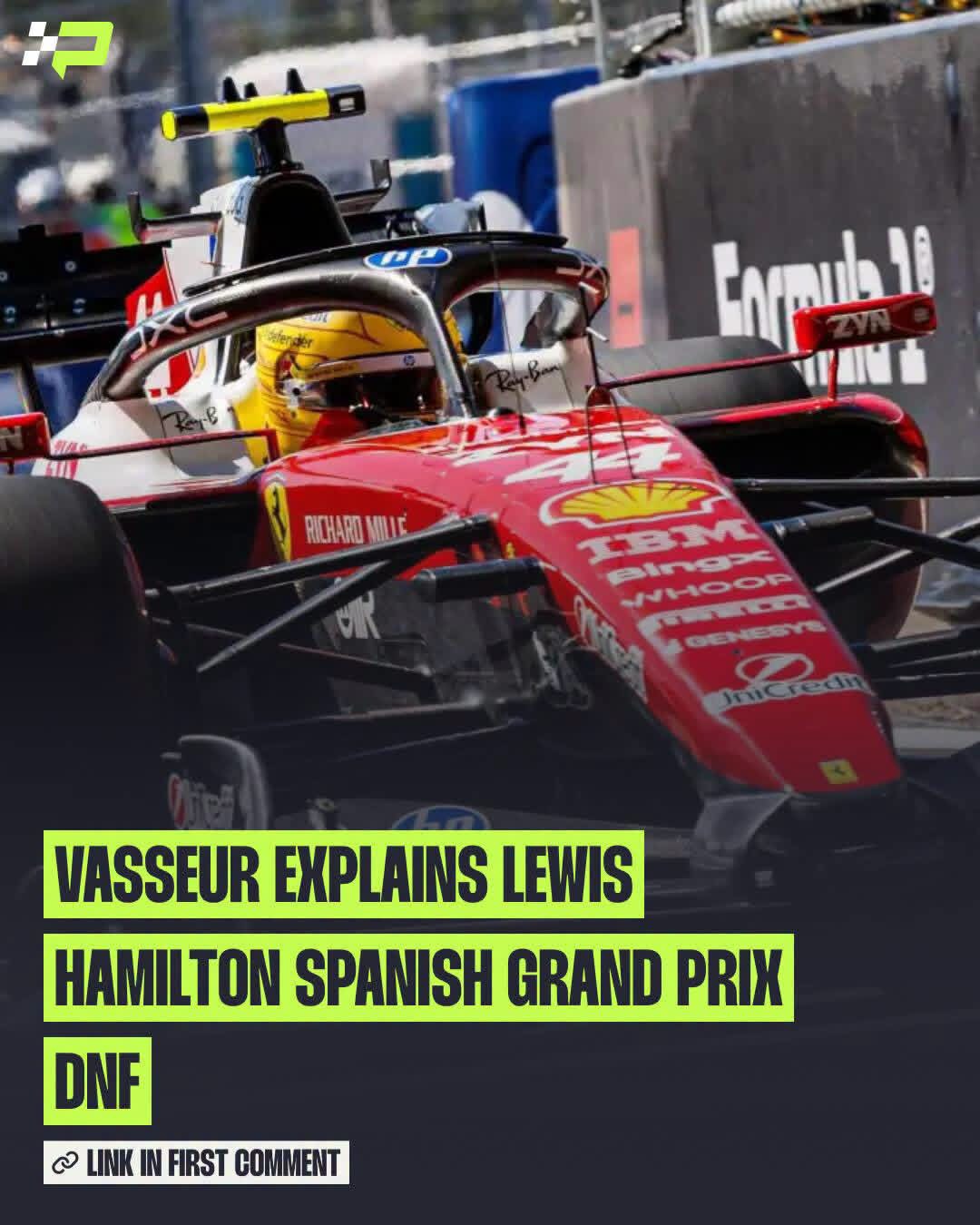
Lewis Hamilton’s long-awaited first Ferrari victory at the Spanish Grand Prix may have ended with celebrations in Barcelona, but the debate surrounding how he achieved it is far from over.
The seven-time world champion delivered one of the standout performances of the 2026 Formula 1 season, ending Ferrari’s wait for a victory and reminding the paddock that he remains a serious championship contender. Yet while the result itself was impressive, much of the conversation afterward focused on one key question: would Hamilton have won without the perfectly timed Virtual Safety Car?
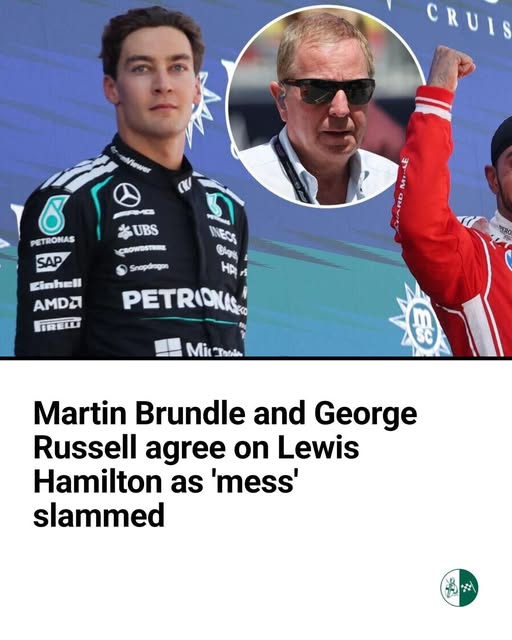
Former F1 driver and commentator Martin Brundle believes the answer is yes. And significantly, he is not alone.
THE VIRTUAL SAFETY CAR MOMENT THAT CHANGED EVERYTHING
The defining moment of the race arrived when Fernando Alonso’s Aston Martin stopped on track, forcing race control to deploy a Virtual Safety Car.
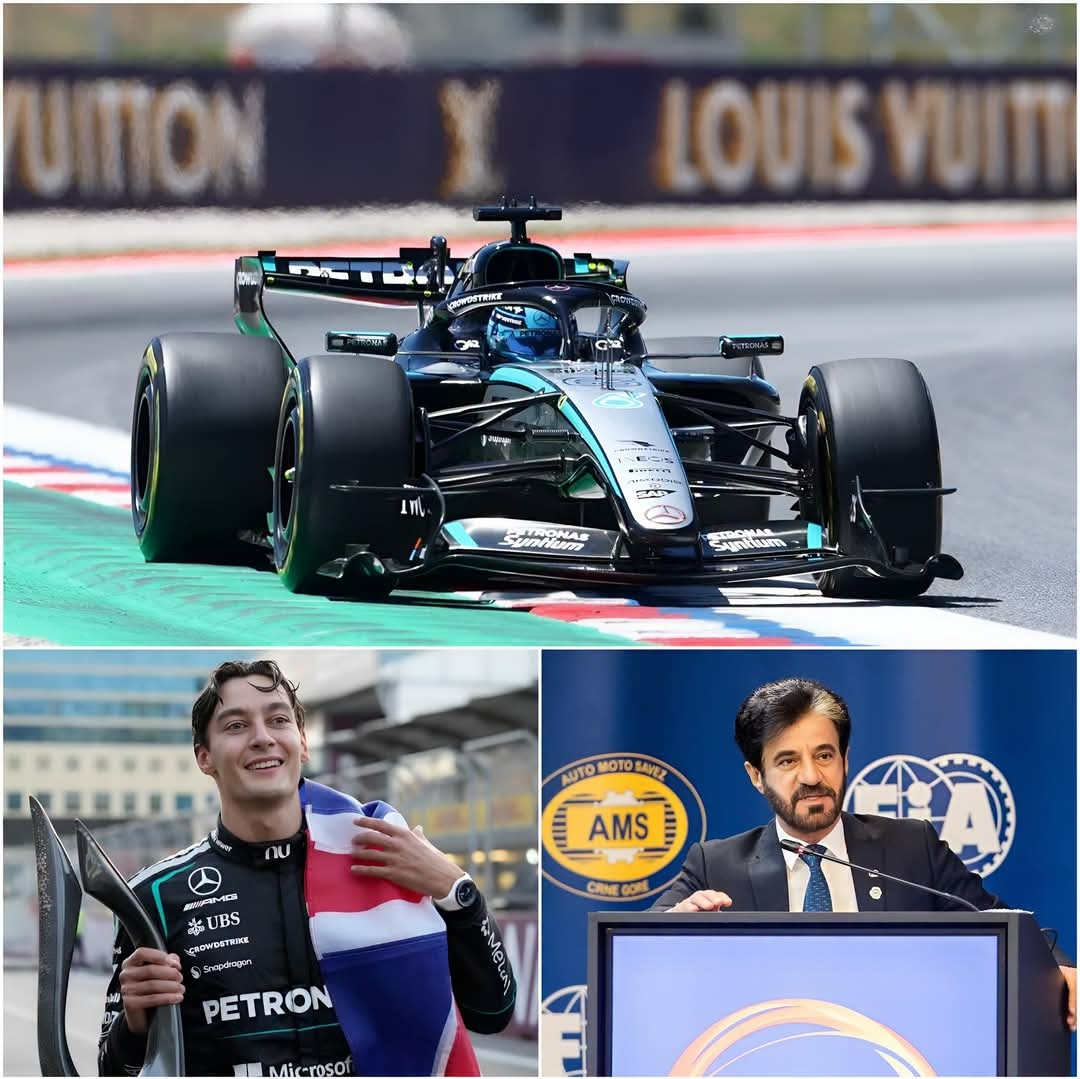
At that stage, Hamilton was executing an aggressive three-stop strategy while Mercedes drivers George Russell and Kimi Antonelli were committed to a more conventional approach. Ferrari immediately seized the opportunity, bringing Hamilton into the pits while rivals circulated at reduced speed.
The timing was ideal.
Under normal racing conditions, Hamilton would have lost considerably more time during his pit stop. Instead, the VSC allowed him to make his final stop and rejoin ahead of both Mercedes drivers, effectively placing him in control of the race.
For many observers, that sequence appeared to hand Ferrari the victory. However, a deeper look at the race tells a more complex story.
HAMILTON’S PACE WAS THE REAL STORY
While the VSC undoubtedly helped Ferrari, it would be unfair to reduce Hamilton’s victory to a fortunate timing call.
Even before Alonso’s retirement, Hamilton was among the fastest drivers on track. His tire management was exceptional, his pace on the harder compounds was significantly stronger than Mercedes, and he was consistently closing the gap to the leaders.
By the finish, Hamilton crossed the line nearly 20 seconds ahead of Russell.
That margin is important because it highlights a crucial reality: Ferrari’s race-winning speed was genuine. The VSC may have accelerated Hamilton’s path to the front, but it did not create the pace advantage that allowed him to disappear into the distance afterward.
Brundle’s assessment reflects this view. Although overtaking Russell, Antonelli, and potentially other rivals would have been challenging, Hamilton’s tire advantage and race pace suggested he was on course to fight for victory regardless.
GEORGE RUSSELL AGREES WITH BRUNDLE
Perhaps the most revealing opinion came from Hamilton’s direct rival.
George Russell, who spent much of the afternoon leading the race battle for Mercedes, admitted after the Grand Prix that Hamilton likely would have won anyway.
That is a significant statement from a driver who stood to lose the most from Ferrari’s strategy success.
Russell’s comments suggest Mercedes recognizes that its pace advantage from earlier in the season may be beginning to fade. While the team still boasts one of the strongest packages on the grid, Ferrari’s development curve appears to be accelerating at exactly the right time.
When competitors start acknowledging that a rival was simply faster, it often signals a shift in the competitive balance.
FERRARI’S DEVELOPMENT IS FINALLY PAYING OFF
The Barcelona victory was not just about strategy.
It was also a reward for months of development work at Maranello.
Throughout 2025, Ferrari struggled to maximize Hamilton’s strengths. The transition from Mercedes proved more difficult than expected, and the SF-25 frequently lacked the consistency needed to challenge for wins.
The introduction of the new regulations for 2026 offered a reset opportunity, and Ferrari appears to have taken advantage.
Recent upgrades have improved tire management, race pace, and overall balance. More importantly, Hamilton now looks comfortable behind the wheel.
The difference between the Hamilton seen last season and the Hamilton who dominated in Barcelona is striking.
Confidence has returned, and so has the speed.
WHY THIS WIN CHANGES THE CHAMPIONSHIP PICTURE
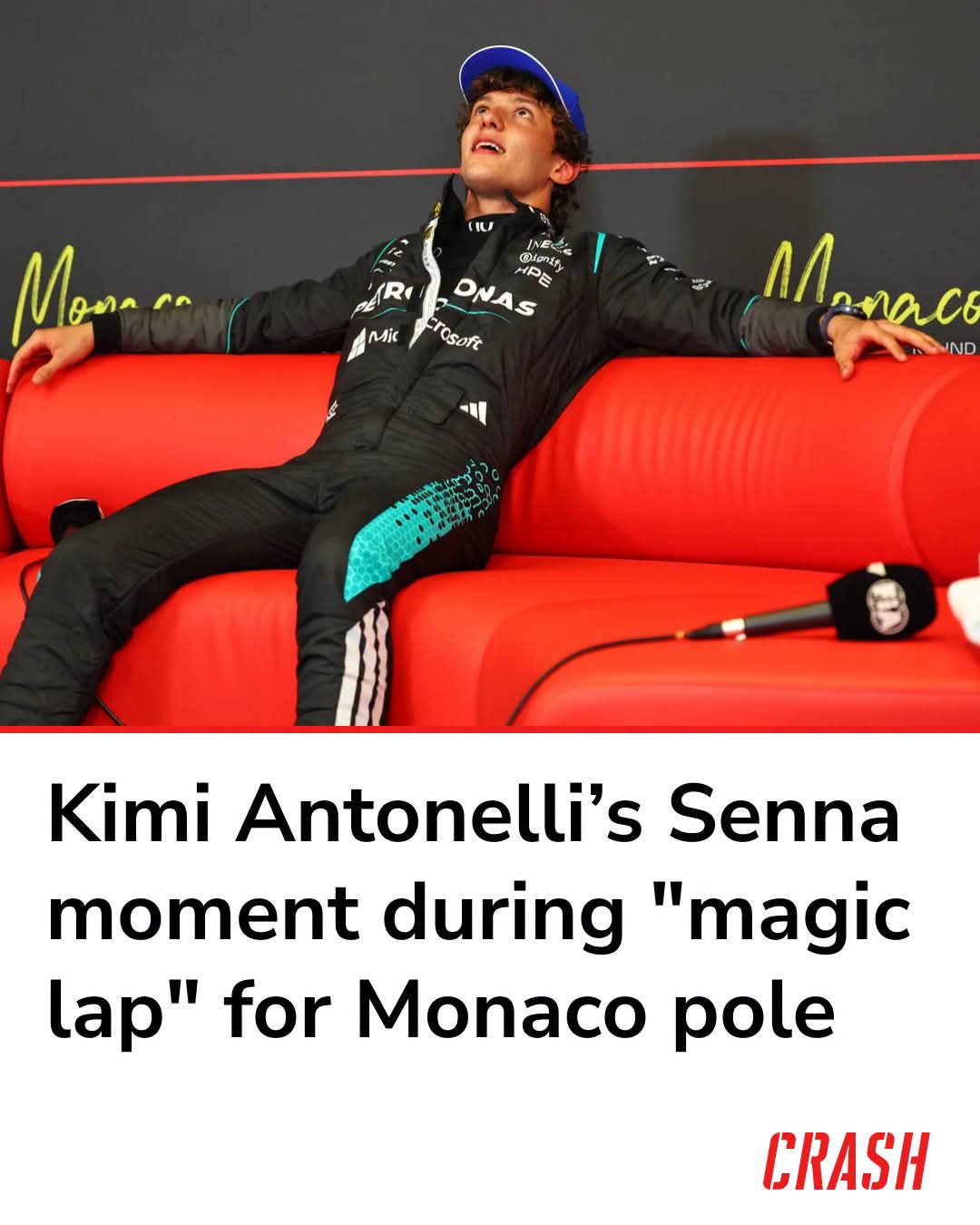
The championship standings still favor Mercedes, with Kimi Antonelli leading the way after a sensational start to his Formula 1 career.
However, Hamilton’s victory changes the narrative.
For much of the season, Mercedes appeared to have the benchmark package. Ferrari was competitive but lacked the final edge needed to consistently challenge for wins.
Barcelona suggests that gap may be closing.
If Ferrari can continue developing at this rate, Hamilton could become a genuine threat in the title fight during the second half of the season.
Momentum matters in Formula 1, and few drivers know how to capitalize on momentum better than Hamilton.
THE CONTROVERSIAL MONACO REVIEW ADDS MORE DRAMA
Barcelona was not the only story dominating Formula 1 headlines.
The fallout from Monaco continues to create tension across the paddock after Pierre Gasly’s penalties were overturned following Alpine’s successful right of review.
Evidence revealed that an error involving pit-lane timing measurements may have affected multiple speed calculations during the Monaco Grand Prix.
Several teams, including Mercedes, McLaren, and Red Bull, have expressed concerns about the handling of the situation.
Brundle described the entire affair as a “mess,” and it is easy to understand why.
Questions remain about consistency, fairness, and whether other teams should now receive similar reconsideration.
The controversy is unlikely to disappear anytime soon and could yet influence championship battles across both the drivers’ and constructors’ standings.
WHAT HAPPENS NEXT?
The Austrian Grand Prix now takes on enormous importance.
Mercedes will be determined to prove Barcelona was an exception rather than the beginning of a trend. Ferrari, meanwhile, arrives with renewed confidence and a driver who suddenly looks capable of winning multiple races again.
Hamilton’s first Ferrari victory felt symbolic.
It was not merely a race win. It was a statement.
After months of criticism, questions about his future, and doubts about whether he could succeed in red, Hamilton delivered a performance that reminded the Formula 1 world why he remains one of the greatest drivers the sport has ever seen.
Whether the Virtual Safety Car helped him or not, the evidence from Barcelona points to a simple conclusion: Lewis Hamilton and Ferrari are finally becoming a genuine championship force. And that should concern everyone ahead of the next phase of the 2026 Formula 1 season.