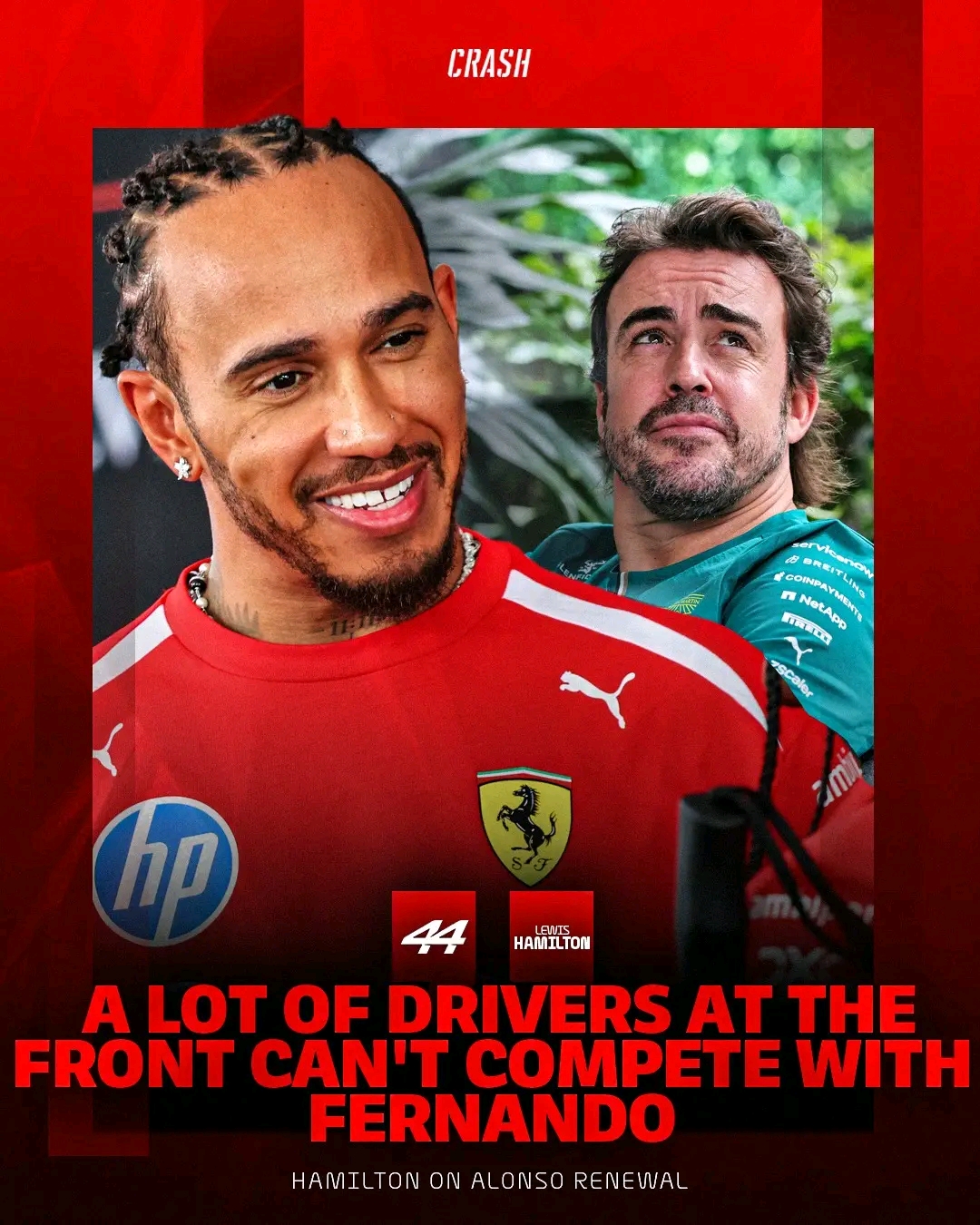
Formula 1 rarely offers moments of pure, unfiltered respect between its biggest stars. When Lewis Hamilton recently spoke about Fernando Alonso following the Spaniard’s contract extension with Aston Martin, the paddock and fans took notice. Hamilton’s assessment was straightforward and cutting in the best way: many drivers currently running near the front simply cannot match Alonso’s pure talent. The problem is not the driver. It is that Alonso has not been given a car capable of showing what he can still do.
Alonso, who turned 45 earlier this year, confirmed he will race on with Aston Martin into the 2027 season alongside Lance Stroll. The deal keeps the most experienced pairing on the grid together for another year and guarantees the two-time world champion will still be competing past his 46th birthday. For a driver who made his debut in 2001 and has now started a record number of grands prix, this is more than another contract. It is a statement that the fire has not gone out.
THE 2007 SEASON STILL CASTS A LONG SHADOW
Hamilton and Alonso shared a garage at McLaren in 2007. That year remains one of the most intense and messy intra-team rivalries in modern Formula 1 history. A reigning double champion and a sensational rookie collided in ways that went far beyond on-track battles. The relationship was strained, political, and at times openly hostile. Nearly two decades later, both men have matured into elder statesmen of the sport. The old friction has largely given way to professional respect.
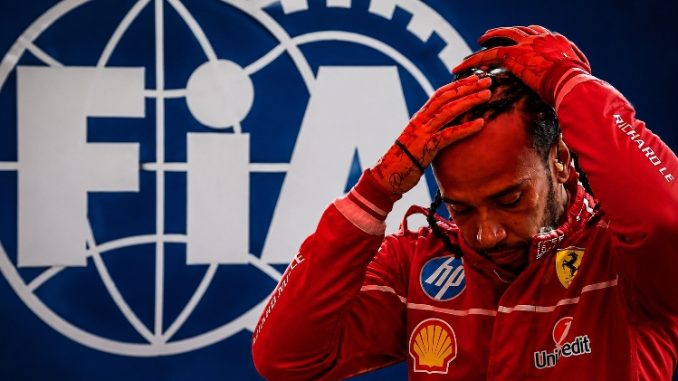
Hamilton’s recent comments in the Malaysian paddock before the Bahrain Grand Prix reflect that evolution. He did not offer polite platitudes. He drew a clear line between pure driving ability and current results. Alonso’s talent, in Hamilton’s view, remains elite. The limitation sits with the machinery. Coming from a seven-time champion who has spent the last two seasons navigating his own transition at Ferrari, the endorsement carries weight.
WHY ALONSO’S EXTENSION MATTERS BEYOND ONE SEAT
Aston Martin’s 2026 season has been difficult. The team has spent much of the year near the back of the field, with limited points and frequent frustration. Alonso has still extracted what little performance the car offers, underlining the same competitive edge that once delivered back-to-back titles with Renault. By choosing to stay, he signals belief in the longer-term project, particularly the influence of Adrian Newey and the potential for Honda’s power unit to improve under the evolving regulations.
The decision also carries implications for the wider grid. At an age when most drivers have already retired or moved into advisory roles, Alonso continues to occupy a full-time seat. That reality challenges assumptions about decline and forces teams to confront a simple truth: experience and racecraft still count when the car is competitive. His presence keeps pressure on younger drivers who might otherwise assume seniority equals obsolescence.
For Aston Martin, retaining both Alonso and Stroll provides continuity during a rebuild. For Alonso, it buys time. He has repeatedly said he still feels fast and still feels the competitive fire that once made him one of the most relentless racers of his generation. Watching races from the sofa, he has admitted, would leave him convinced he could do better than those still competing. That mindset is rare and valuable.
THE BIGGER PICTURE FOR FORMULA 1’S VETERANS
Hamilton’s praise arrives at a moment when both men represent the last major links to the mid-2000s golden era of driver rivalries. Their careers have run in parallel and occasionally in direct opposition for the better part of two decades. Seeing one publicly elevate the other’s talent reinforces something the sport sometimes forgets: greatness is not solely measured by recent podiums or championships. It is also measured by the respect of peers who have shared the same pressure, the same expectations, and the same garage.
Alonso’s extension does not guarantee success in 2027. Aston Martin still faces a steep climb. Yet the combination of Hamilton’s public endorsement and Alonso’s continued commitment creates a narrative larger than one contract. It suggests that pure talent, when paired with motivation and the right environment, can still defy conventional timelines.
Formula 1 benefits when its most accomplished drivers refuse to fade quietly. Alonso’s decision and Hamilton’s response both underline that refusal. The 2007 teammates may no longer share a pit wall, but their mutual recognition continues to shape how the sport understands excellence long after the championship fights of their prime have ended.