Formula 1’s 2026 calendar has taken another unexpected twist, with reports suggesting that a circuit is now positioning itself as a potential replacement venue following the cancellation or uncertainty surrounding select race weekends.
While the official confirmation from Formula 1 has not yet been fully detailed, the situation highlights how fragile the modern F1 calendar has become and how quickly circuits are competing to secure a place on the world championship roster.
With global demand for Formula 1 at an all-time high, any vacancy on the calendar instantly triggers a scramble between promoters, governments, and circuits eager to step in.
WHY RACES ARE BEING CANCELLED OR REPLACED MORE OFTEN IN MODERN F1
Race cancellations or calendar reshuffles are not new in Formula 1, but they have become more frequent in recent years due to a combination of global factors.
These include:
Logistical pressures from an expanded calendar
Regional political and economic instability in some host countries
Extreme weather risks affecting certain venues
Contract negotiations between F1 and promoters
Infrastructure readiness for modern F1 standards
Formula 1 now operates as a global entertainment business as much as a sport, which means every race must meet strict commercial, safety, and broadcast requirements.
When a race is cancelled or becomes uncertain, replacement candidates move quickly to secure the opportunity.
WHY THIS PARTICULAR TRACK IS BEING CONSIDERED
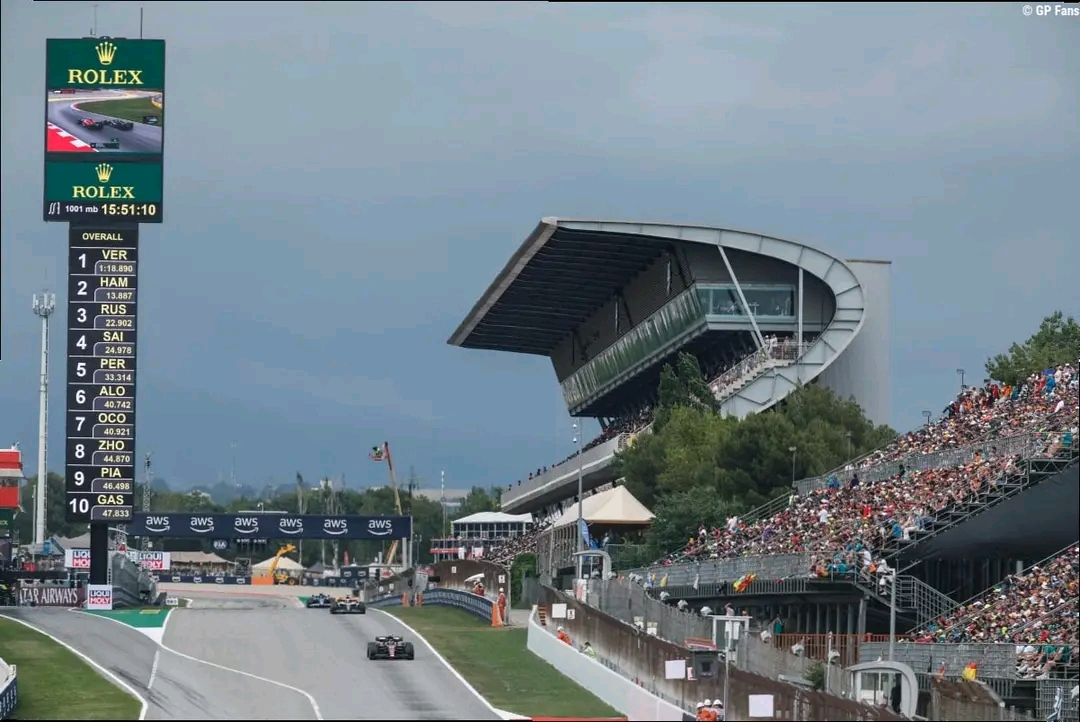
The circuit now being linked with a potential return or emergency inclusion is believed to have strong infrastructure, FIA-grade facilities, and previous experience hosting high-level motorsport events.
These factors matter because Formula 1 cannot afford to introduce a venue that is not fully prepared to handle:
Modern hybrid F1 cars
Global broadcast requirements
Large-scale fan attendance
Complex logistics for teams and equipment
Tracks that already meet these standards immediately move to the front of the queue when a gap appears in the calendar.
WHAT THIS MEANS FOR TEAMS AND DRIVERS
For Formula 1 teams, a sudden calendar change is not just a scheduling issue. It directly affects performance preparation, car setup development, and logistical planning.
Teams like Mercedes, Red Bull, Ferrari, and McLaren spend months preparing for each circuit, analysing:
Tyre degradation profiles
Downforce requirements
Track temperature behaviour
Fuel and energy management strategies
A new or returning circuit disrupts that preparation cycle and forces teams to adapt quickly.
For drivers, especially those in championship battles, uncertainty can also impact momentum. Consistency across similar race weekends often plays a role in maintaining performance rhythm.
CHAMPIONSHIP IMPACT: WHY EVERY RACE MATTERS MORE THAN EVER
In modern Formula 1, even a single race change can influence the championship narrative significantly.
With tighter competition across the grid, the loss or replacement of a Grand Prix can:
Reduce total points opportunities in a season
Shift momentum between title contenders
Affect sprint weekend distribution
Change how teams manage risk late in the year
For example, if a cancelled race is a track where one team historically performs strongly, its removal can indirectly hurt their championship hopes. Conversely, a replacement venue could favour a different team entirely.
This is why calendar changes are closely monitored by both sporting directors and engineers.
THE BUSINESS SIDE: WHY CIRCUITS ARE FIGHTING FOR A SPOT
Formula 1’s global popularity has turned race hosting into one of the most competitive sports business opportunities in the world.
Hosting a Grand Prix brings:
Massive tourism revenue
Global media exposure
Infrastructure investment
Long-term economic benefits
As a result, circuits and governments are increasingly willing to invest heavily to secure or replace a race weekend.
This creates a situation where multiple venues often compete for limited calendar slots, especially when cancellations open unexpected opportunities.
FIA AND F1 CALENDAR FLEXIBILITY
The FIA and Formula 1 management now maintain more flexible calendars compared to previous decades. This allows them to respond quickly when a race becomes unavailable.
However, this flexibility also creates pressure because:
Replacement decisions must be made quickly
Logistics for teams must be adjusted
Broadcast schedules need updating
Fan communication must be managed globally
Balancing speed and stability is one of the biggest challenges in modern F1 administration.
WHAT HAPPENS NEXT FOR THE REPLACEMENT CIRCUIT
If the track currently being discussed successfully secures the slot, it will likely undergo:
Final FIA safety inspections
Operational readiness assessments
Logistics coordination with F1 teams
Confirmation of broadcast and commercial rights
Only after these steps would the replacement race be officially confirmed on the calendar.
Until then, everything remains in a “working discussion” phase, but momentum appears to be building.
CONCLUSION: A REMINDER OF HOW FRAGILE THE F1 CALENDAR CAN BE
Formula 1 may look like a perfectly structured global championship on paper, but behind the scenes it is highly dynamic and constantly evolving.
The possibility of a circuit stepping in to replace cancelled races shows how quickly circumstances can change in modern motorsport. For teams, drivers, and fans, it is a reminder that every race weekend is valuable, and every calendar slot is earned through a combination of readiness, politics, and opportunity.
As the 2026 season continues, all eyes will remain on whether this track officially joins the calendar—and how its inclusion could subtly reshape the championship battle.