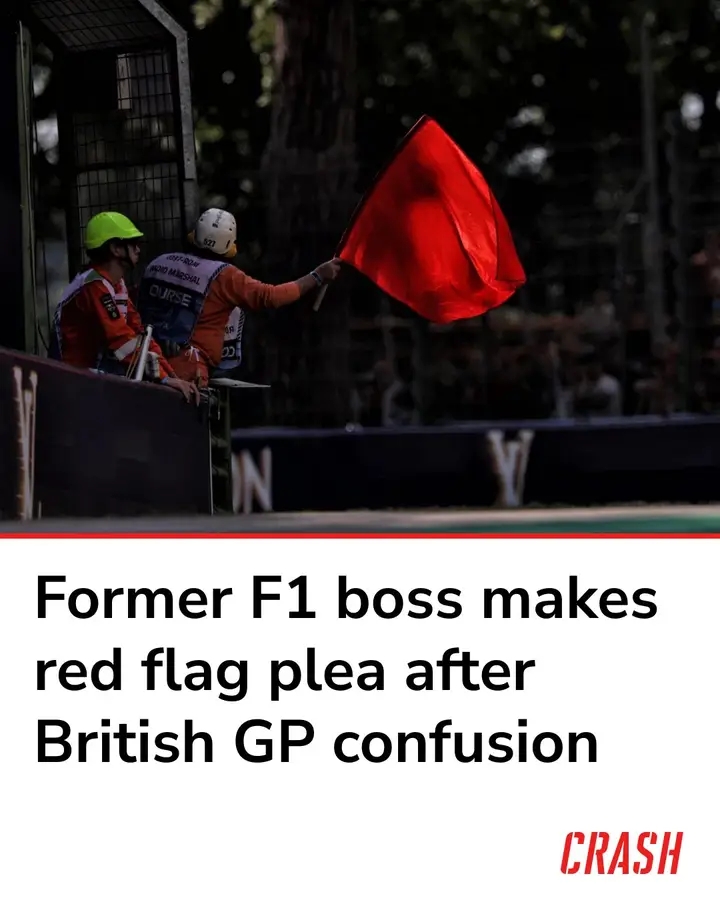
The 2026 British Grand Prix delivered another unforgettable weekend at Silverstone, but the discussion after the checkered flag centered on more than just the racing. Attention quickly shifted to the FIA’s race management, with former Formula 1 team principal Otmar Szafnauer suggesting that race director Rui Marques could have handled one key moment differently to create a better spectacle for the thousands of fans who packed the iconic circuit.
While Szafnauer acknowledged that Marques operated within the FIA’s regulations, he argued that Formula 1 must continue searching for the right balance between strict rule enforcement and delivering exciting racing. His comments have reignited the long-running debate over whether race control should always follow the rulebook to the letter or occasionally use discretion to improve the sporting spectacle.
WHY THE SILVERSTONE DECISION HAS BECOME A MAJOR TALKING POINT
Silverstone is one of Formula 1’s most historic venues, attracting some of the sport’s most passionate supporters every season. Fans expect dramatic wheel-to-wheel action, strategic battles, and thrilling finishes, making every race management decision highly scrutinized.
During the event, Rui Marques followed the FIA’s established procedures. There has been little suggestion that he broke protocol or made an incorrect ruling under the regulations. However, Szafnauer believes there may have been room for a different approach that would have enhanced the experience for spectators without compromising safety.
His comments highlight a recurring challenge for Formula 1 officials. Every intervention—whether involving safety cars, virtual safety cars, red flags, or race restarts—can significantly influence the outcome of a Grand Prix.
FIA CONTINUES TO PRIORITIZE CONSISTENCY
One of the FIA’s biggest goals in recent seasons has been improving consistency in race control decisions. Following criticism over controversial rulings in previous championships, Formula 1’s governing body has placed greater emphasis on ensuring every incident is handled according to clear regulations.
For Rui Marques, consistency is essential. Drivers and teams want predictable officiating because championship battles can be decided by a single race result. Applying the same standards at every circuit helps reduce accusations of favoritism or inconsistent judgment.
That approach may not always produce the most dramatic racing, but it gives competitors confidence that everyone is competing under the same set of rules.
SZAFNAUER BELIEVES THE SPORT MUST ALSO THINK ABOUT THE FANS
Otmar Szafnauer’s viewpoint reflects another important side of modern Formula 1. While sporting integrity remains the priority, Formula 1 has grown into one of the world’s biggest entertainment properties.
Millions of viewers tune in every race weekend expecting close competition and memorable finishes. When race control decisions reduce opportunities for on-track action—even if those decisions are technically correct—they often become the focus of post-race discussions.
Szafnauer’s argument is not necessarily that the FIA made the wrong decision. Instead, he believes officials should always consider whether there is a safe alternative that keeps the competition alive while remaining within the spirit of the regulations.
THE IMPACT ON THE CHAMPIONSHIP
Every race management decision can influence championship standings, particularly during a closely contested season. A safety car deployment, restart timing, or neutralization period can completely change team strategies, tire choices, and final race positions.
With several teams fighting for victories and valuable points throughout the season, even small decisions by race control can shape both the Drivers’ and Constructors’ Championships.
This is why FIA officials often choose the most consistent interpretation of the rules rather than the most entertaining option. Maintaining competitive fairness remains the governing body’s primary responsibility.
WHAT THIS MEANS FOR FORMULA 1’S FUTURE
The debate sparked by Szafnauer is unlikely to disappear anytime soon. As Formula 1 continues to expand globally and attract new audiences, pressure will grow on race officials to strike the perfect balance between safety, fairness, and entertainment.
The FIA has already introduced numerous procedural changes over recent years to improve transparency and consistency. Future discussions could focus on whether race directors should receive greater flexibility in certain situations or whether clearer regulations are needed to reduce controversial interpretations.
For teams, drivers, and fans alike, maintaining trust in race control will remain essential as the championship becomes increasingly competitive.
FINAL THOUGHTS
Otmar Szafnauer’s comments are less about criticizing Rui Marques personally and more about raising an important question facing modern Formula 1. Marques followed the FIA rulebook at Silverstone, fulfilling his responsibilities as race director. However, Szafnauer believes there are occasions when a different—but still safe and fair—approach could create a more exciting experience for fans.
As the 2026 Formula 1 season progresses, race control decisions will continue to be examined just as closely as the performances of the drivers and teams. Finding the right balance between consistency, safety, and entertainment may prove just as important as any technical innovation or strategic masterstroke in deciding how the sport evolves in the years ahead.