A NEW VIRAL MOMENT ADDS TO THE CAITLIN CLARK CONVERSATION
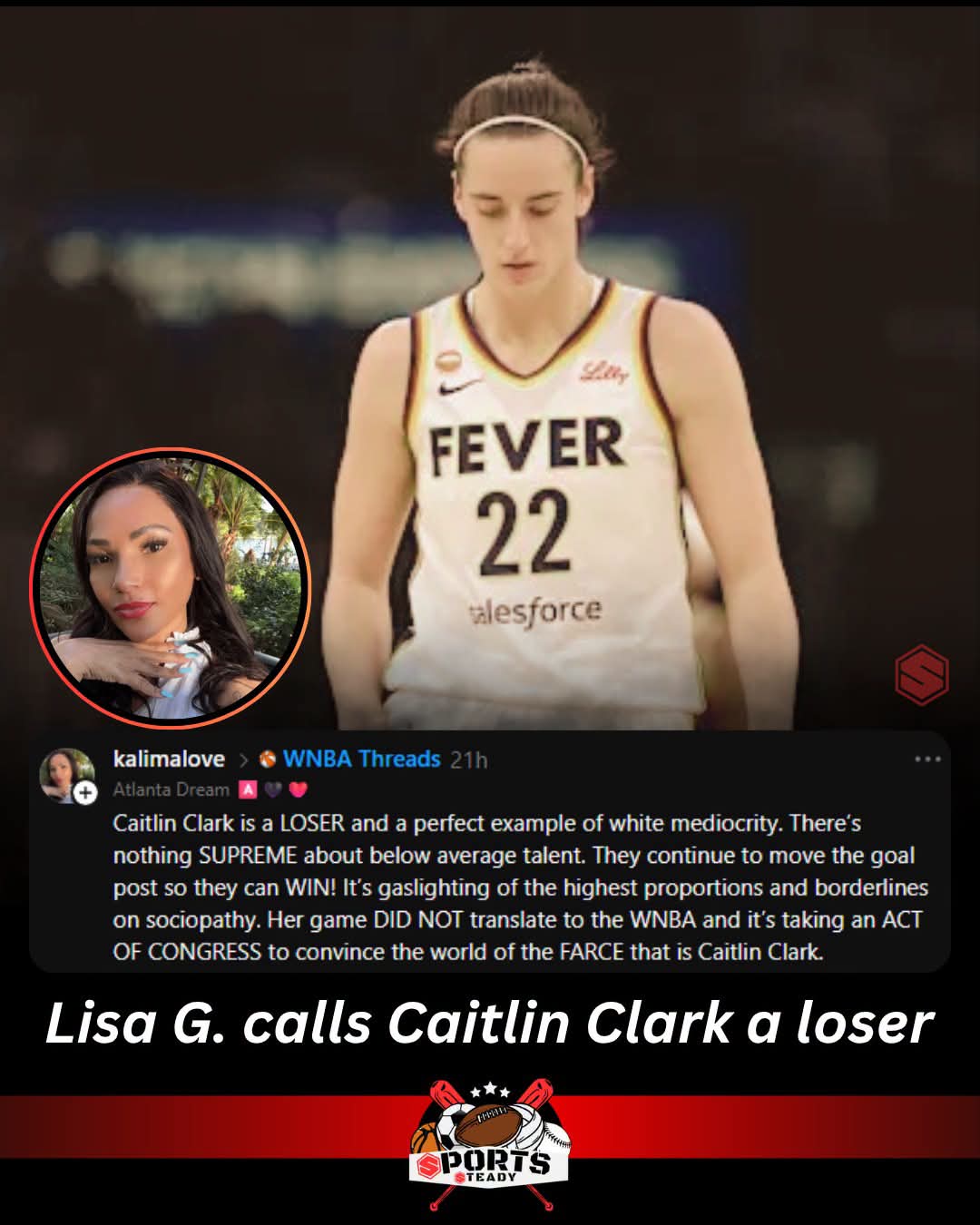
Another social media controversy has placed Indiana Fever star Caitlin Clark at the center of the basketball world after a viral post from Lisa G. described the WNBA guard as a “loser.” The comment quickly gained attention across social media, reigniting passionate debates among basketball fans who remain deeply divided over Clark’s impact on the league and the way she is discussed online.
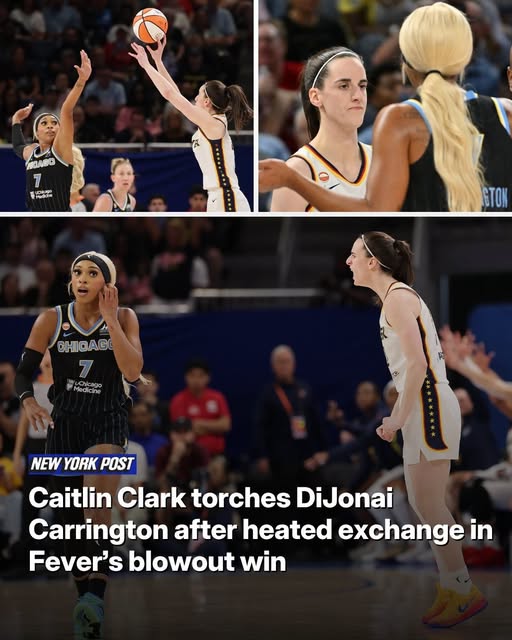
The reaction was immediate. While some users defended the post as a harsh but acceptable opinion about the overwhelming attention surrounding Clark, others argued that the language crossed the line from basketball criticism into a personal attack. As has become increasingly common, the discussion quickly expanded beyond on-court performance and evolved into broader debates about media coverage, fan culture, and the WNBA’s changing landscape.
CAITLIN CLARK REMAINS THE LEAGUE’S MOST POLARIZING FIGURE
Few athletes in professional basketball generate as much conversation as Clark. Since entering the WNBA, every performance has been dissected by fans, analysts, and commentators. Outstanding games often dominate headlines, while difficult outings can trigger intense criticism and social media backlash.
That level of attention reflects both Clark’s popularity and the pressure that accompanies it. Her arrival has attracted millions of new viewers, boosted television ratings, increased attendance, and expanded the league’s visibility. However, it has also created an environment where nearly every discussion involving Clark becomes emotionally charged, making balanced basketball conversations increasingly difficult.
THE GROWING IMPACT OF SOCIAL MEDIA ON WNBA NARRATIVES
Platforms such as X, Facebook, Instagram, and TikTok have transformed how sports stories spread. A single controversial comment can circulate worldwide within minutes, influencing public perception long before context is considered. The viral nature of Lisa G.’s post demonstrates how quickly online opinions can become major talking points, regardless of whether they originate from official basketball analysis or personal commentary.
This trend presents both opportunities and challenges for the WNBA. Greater online engagement keeps the league in the spotlight and attracts new audiences, but constant controversy can also overshadow the performances of players across the league. Discussions that begin with basketball frequently evolve into arguments over media bias, popularity, identity, and fan loyalty.
CRITICISM OR PERSONAL ATTACK?
Professional athletes are expected to face criticism, particularly when competing on the biggest stages. Constructive analysis of decision-making, shooting efficiency, turnovers, or defensive performance is part of every sport. The debate surrounding Lisa G.’s comment, however, centers on whether labeling a player a “loser” contributes meaningful analysis or simply fuels hostility.
Supporters of the remark argue that Clark’s enormous media attention naturally invites stronger opinions. Critics counter that reducing one of the league’s brightest young stars to a personal insult does little to advance legitimate basketball discussion. The differing reactions highlight how difficult it has become to separate objective evaluation from emotional online discourse.
WHAT THIS MEANS FOR THE WNBA MOVING FORWARD
The WNBA continues to experience unprecedented growth, with Clark playing a significant role in attracting new fans and increasing national interest. Yet moments like this illustrate that heightened visibility also brings greater scrutiny and more frequent controversy. As the league expands its audience, players, media personalities, and fans alike will continue shaping the public conversation surrounding women’s basketball.
Whether one views Lisa G.’s viral post as fair criticism or an unnecessary personal attack, it underscores an undeniable reality: Caitlin Clark remains the most discussed figure in the WNBA. As long as she continues competing at the highest level, every performance—and every opinion about her—is likely to generate headlines, fuel debate, and influence the ongoing evolution of the league’s public image.