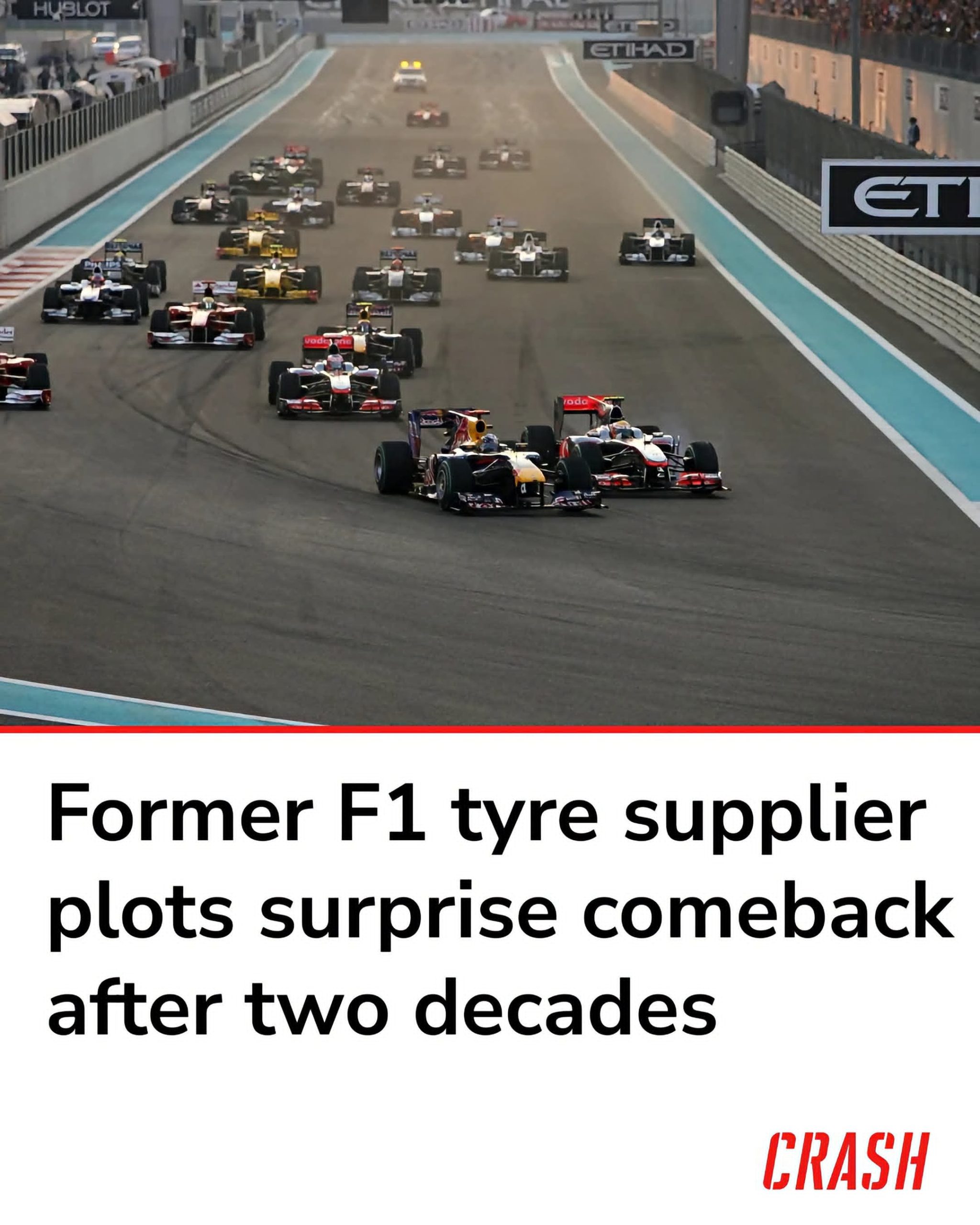
Formula 1 could be heading towards a major change in its tyre supply landscape, with Bridgestone reportedly positioning itself for a sensational return to the sport after more than 15 years away. The Japanese manufacturer, which last supplied F1 in 2010, is believed to be exploring the possibility of challenging Pirelli for the championship’s official tyre supply contract when the next opportunity becomes available.
According to reports from RacingNews365, Bridgestone representatives have attended several Grands Prix in recent months, including the Singapore and United States races. Their presence has fuelled speculation that the company is assessing a potential return to the highest level of motorsport. However, no official agreement has been announced, and Pirelli remains firmly established as Formula 1’s exclusive tyre supplier for the foreseeable future.
PIRELLI’S CONTRACT MEANS BRIDGESTONE MUST WAIT
Pirelli has supplied tyres to Formula 1 since the 2011 season, taking over after Bridgestone’s departure at the end of 2010. The Italian manufacturer’s current agreement has been extended through to the end of the 2028 campaign after the FIA exercised an option in June 2026.
That timeline means 2029 represents the earliest opportunity for another manufacturer to take over through the next supply tender. Bridgestone would therefore need to convince Formula 1 and the FIA that it can deliver a competitive, reliable and commercially attractive package capable of meeting the championship’s demanding technical requirements.
The contract extension also gives Pirelli time to continue developing its products as Formula 1 adapts to changing regulations and the demands of increasingly complex racing strategies. For Bridgestone, any comeback would require substantial preparation, investment and a clear understanding of what the championship expects from its next generation of tyres.
BRIDGESTONE HAS A LONG HISTORY IN FORMULA 1
Bridgestone is no stranger to the pressures of Formula 1. The manufacturer competed in an intense tyre war with Michelin between 1997 and 2006, when competing suppliers attempted to gain advantages through grip, durability and performance.
Following Michelin’s departure, Bridgestone became Formula 1’s sole tyre supplier from 2007 until the end of the 2010 season. Its exit marked the end of an era, with Pirelli subsequently taking over and establishing a long-term presence in the championship.
A return would place Bridgestone back in a sport that has evolved considerably since its last involvement. Modern F1 tyres must operate within strict performance and durability requirements while supporting close racing, varied strategies and the demands of increasingly sophisticated cars. Re-entering the championship would be about much more than reviving a familiar brand; it would mean proving that Bridgestone can meet the sport’s current and future technical ambitions.
DRIVER CRITICISM COULD CREATE AN OPENING
Pirelli’s position has occasionally come under scrutiny from drivers, particularly over the performance of its full-wet tyres. Questions about wet-weather grip and the ability to race safely in heavy rain have remained recurring subjects of discussion within the paddock.
These criticisms could make the prospect of a rival supplier appealing to some fans, especially those who want to see whether competition between manufacturers could produce different tyre characteristics. However, a change of supplier would not automatically resolve Formula 1’s wet-weather problems, which are also influenced by car design, spray generation, circuit conditions and race-control decisions.
Michelin previously attempted to secure the F1 tyre contract from 2017 but was unsuccessful. Its experience illustrates how difficult it can be for a competing manufacturer to displace an established supplier, even when there is interest in offering an alternative.
FORMULA E COULD HELP BRIDGESTONE PREPARE FOR A RETURN
Bridgestone’s motorsport ambitions are not limited to Formula 1. The company is set to become the official tyre supplier for the Formula E World Championship from the 2026/27 season, giving it another major international racing programme.
That involvement could strengthen its presence in top-level motorsport and demonstrate its ability to develop tyres for a championship built around electric racing. Nevertheless, Formula E and Formula 1 place different demands on their tyres, meaning success in one series would not guarantee success in the other.
Meanwhile, Pirelli is also expanding its responsibilities, with the Italian company scheduled to become the single tyre supplier for MotoGP, Moto2, Moto3 and MotoE from 2027. Both manufacturers are therefore pursuing important opportunities across different categories, making their future motorsport commitments worth watching.
COULD FORMULA 1 SEE ANOTHER TYRE WAR?
A Bridgestone comeback would raise an intriguing question: could Formula 1 ever return to a competitive tyre war? Historically, rival suppliers pushed one another to pursue performance gains, creating another technical battle alongside the competition between teams and engine manufacturers.
However, a multi-supplier era would bring challenges. Different tyre characteristics could influence car development, strategy and competitive balance, while teams might face additional complexity when comparing performance. Formula 1 would need to decide whether the potential benefits justified the cost and complications of introducing competing manufacturers.
For now, there is no confirmation that Bridgestone will return, and Pirelli’s contract leaves little room for an immediate change. But the reported visits to recent Grands Prix suggest the Japanese manufacturer may be examining its options.
If Bridgestone eventually enters the tender for 2029, Formula 1 could face a significant decision about the direction of its tyre programme. Until then, Pirelli remains the established supplier, while the possibility of a historic rival returning adds another intriguing storyline to the championship’s long-term future.