Formula 1 President and CEO Stefano Domenicali has made clear that Scuderia Ferrari must produce meaningful on-track success. Drawing on his own history as the team’s former principal, the Italian has stressed the need for the Maranello outfit to stay focused, united, and results-oriented rather than chasing short-term fixes during a turbulent stretch of the 2026 season.
Domenicali’s comments come at a pivotal moment. Ferrari sits second in the Constructors’ Championship but has gone without a podium for several races after a stronger first half that included victories for Lewis Hamilton and Charles Leclerc. The gap to championship leaders Mercedes has grown, while speculation about leadership changes has intensified.
WHY A STRONG FERRARI MATTERS TO FORMULA 1
Ferrari is not just another team on the grid. The Scuderia carries unique commercial weight, global brand power, and a passionate fan base that stretches far beyond traditional motorsport audiences. When the red cars struggle for consistent results, the entire championship feels the absence. Title battles lose some of their romantic appeal, television narratives shift, and the sport’s most recognizable name sits further from the front.
Domenicali understands this better than most. As team principal from 2008 to 2014, he lived the pressure of leading Ferrari through both success and disappointment. His public stance now is straightforward: results that fall short of expectations cannot become the new normal. A competitive Ferrari benefits the championship’s competitive balance, commercial partners, and the broader appeal of the sport. It keeps rivalries sharp and keeps fans engaged across continents.
THE CURRENT REALITY AT MARANELLO
The 2026 Ferrari package has shown flashes of genuine pace. Hamilton and Leclerc have collected points regularly and converted early opportunities into wins and podiums. Yet the second half of the season has exposed development limitations relative to Mercedes and a resurgent McLaren. Recent races have delivered solid but unspectacular finishes, leaving the team chasing rather than leading.
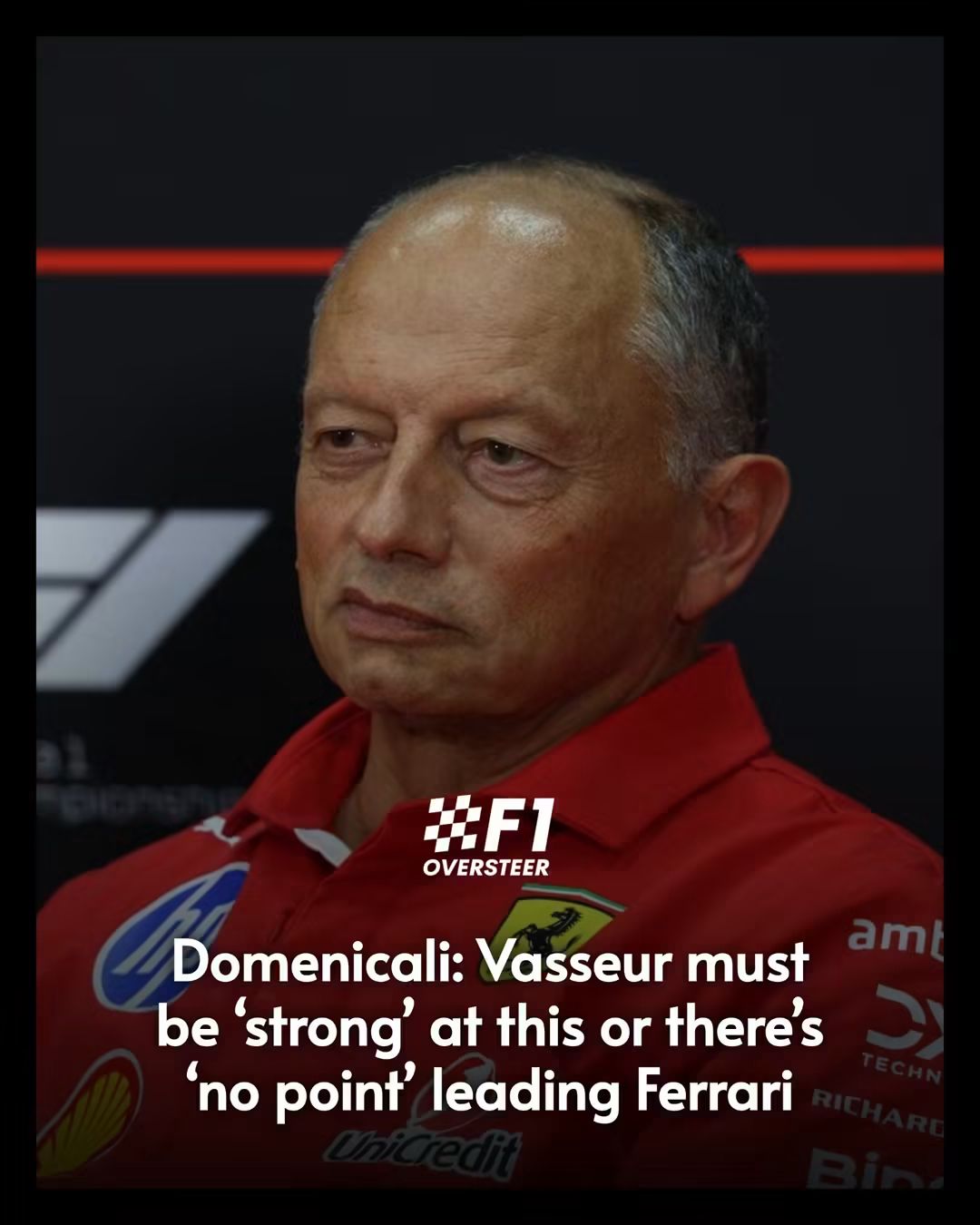
Inside the garage the atmosphere has been complicated by external noise. Rumours about the future of team principal Fred Vasseur and high-profile names positioning themselves for potential roles have added pressure. Domenicali has addressed this directly, warning against “fanciful solutions” that risk further delays. His advice is continuity and clarity of purpose: the person in charge must keep the ship on course through the storm.
IMPACT ON THE DRIVERS AND THE TEAM
For Charles Leclerc, the situation carries familiar weight. The Monegasque has carried Ferrari’s title hopes for years and knows how quickly momentum can evaporate. For Lewis Hamilton, the move to Maranello was meant to deliver late-career championships. Strong results would validate the high-profile switch and silence growing questions. Weak ones risk turning the project into another chapter of near-misses.
The organisation itself feels the strain. Engineers, strategists, and factory staff operate under intense scrutiny when the results board does not match the historic expectations of the Prancing Horse. A clear sporting result—whether a win, a string of podiums, or a decisive step forward in race pace—would restore confidence and quiet the external chatter.
BROADER IMPLICATIONS FOR THE SPORT AND THE CHAMPIONSHIP
A revitalised Ferrari would reshape the Constructors’ battle and inject fresh drama into the final stretch of 2026. It would also strengthen Formula 1’s commercial story. Sponsors and broadcasters value the narrative power of Ferrari fighting at the front. The team’s global following remains one of the sport’s greatest assets; prolonged underperformance risks diluting that engagement.
Domenicali’s call is not pure sentimentality. As CEO he must protect the overall health of the championship. Having a historically dominant team competing for victories rather than midfield scraps serves that goal. Stability under Vasseur, combined with targeted development, offers a more sustainable path than another leadership reset.
LOOKING AHEAD: WHAT SUCCESS WOULD LOOK LIKE
Upcoming races, including the United States Grand Prix where major aerodynamic updates are expected, give Ferrari a platform to reverse the recent trend. Consistent top-three finishes and a return to the podium would constitute the kind of important sporting results Domenicali wants to see. A victory would send an even stronger message.
The coming months will test whether Maranello can convert technical potential into race-day execution while ignoring the surrounding noise. Domenicali’s message is clear: stay united, keep the direction steady, and deliver on the track. For a team of Ferrari’s stature, that remains the only acceptable standard.