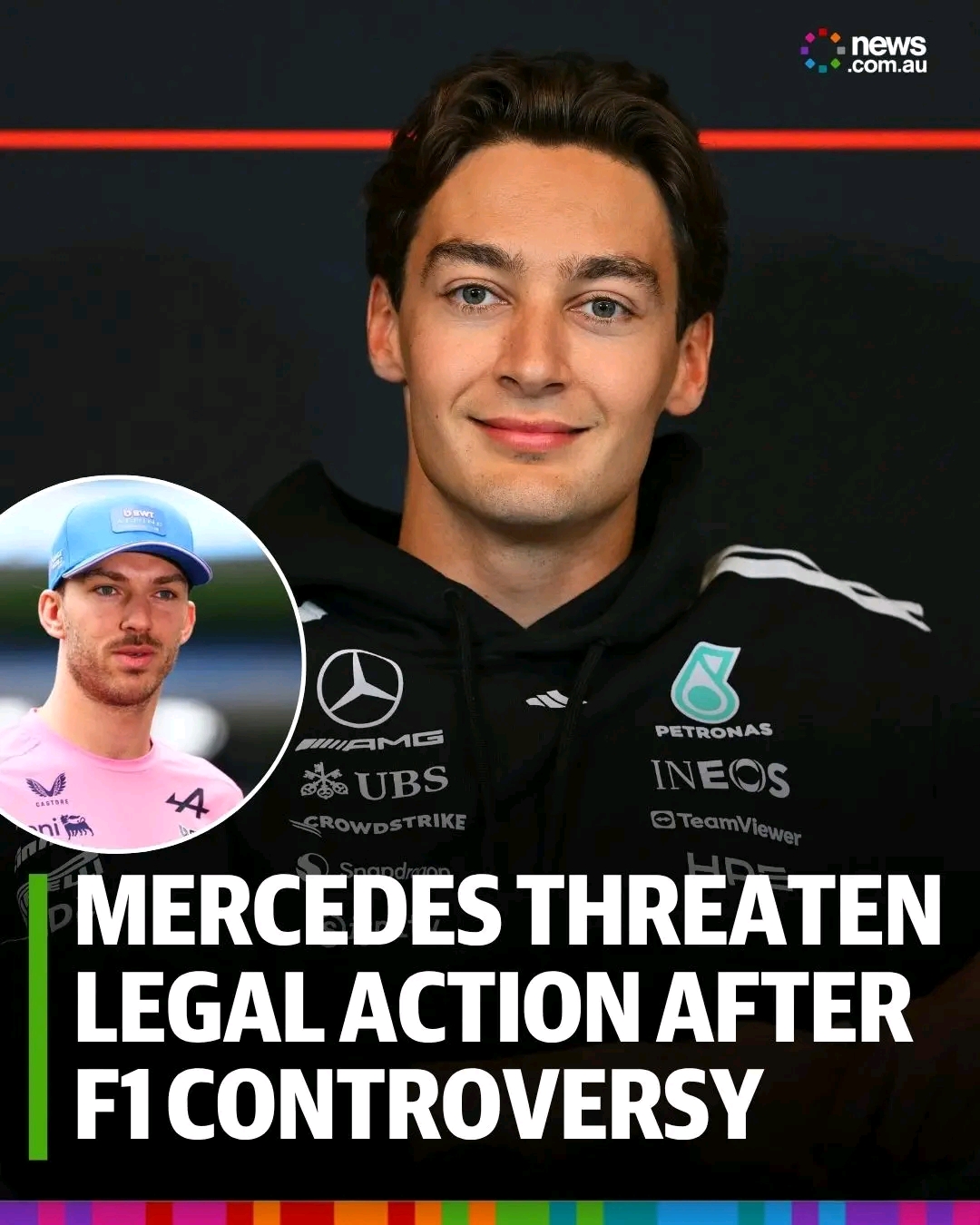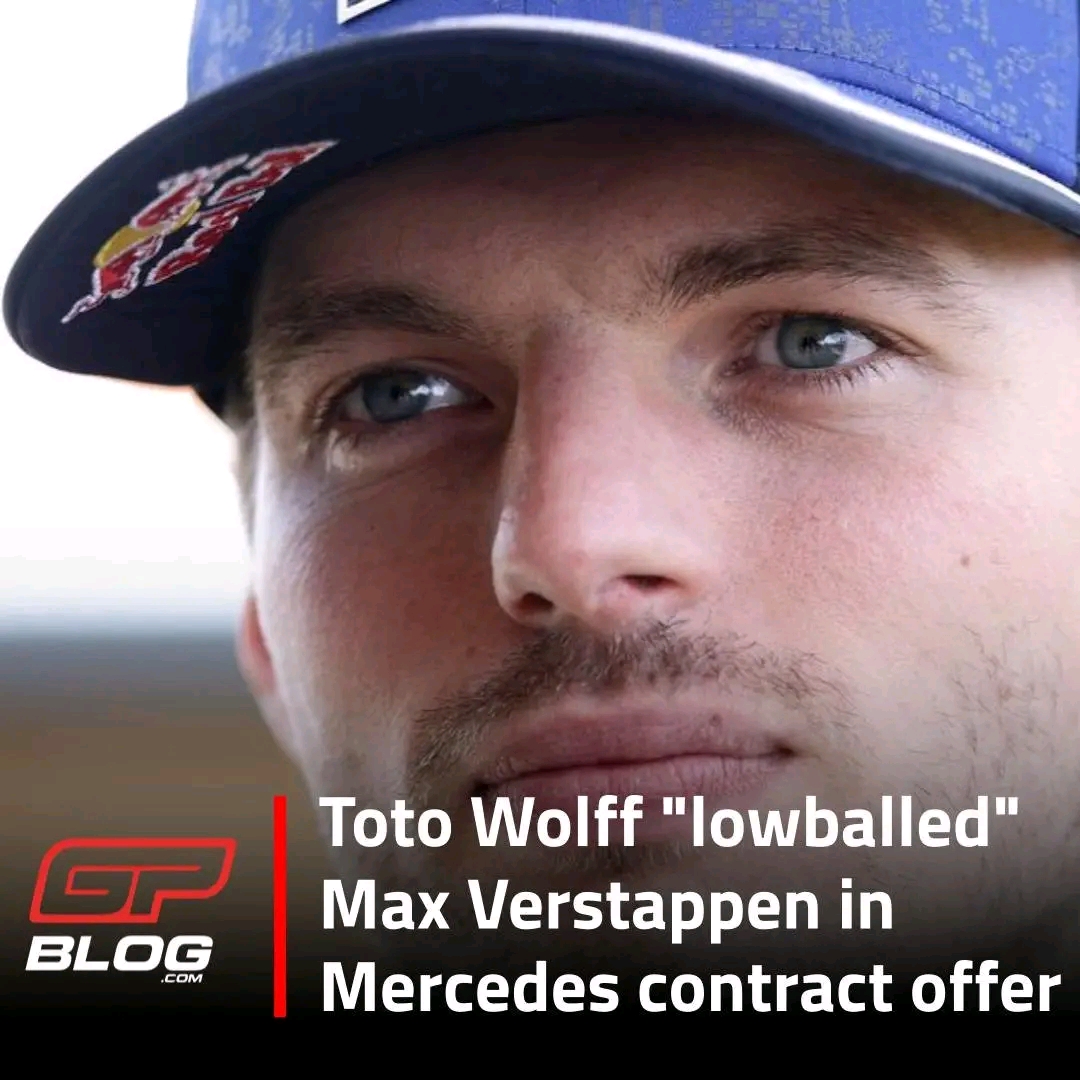
Toto Wolff and Mercedes have once again found themselves at the center of the Formula 1 driver market storm, with fresh claims suggesting the team principal may have intentionally “lowballed” Max Verstappen during early contract discussions. The accusation adds another layer to an already complex Mercedes driver lineup situation involving George Russell and rising star Kimi Antonelli.
While Mercedes publicly maintains stability, the Verstappen speculation refuses to fade, and the latest claims only intensify questions about whether a blockbuster move is still realistic or quietly slipping away.
WHAT THE “LOWBALLING” CLAIMS ARE ABOUT
The allegation of “lowballing” refers to suggestions that Mercedes, led by Wolff, may have presented a deliberately conservative financial offer or cautious contract structure when exploring the possibility of signing Verstappen.
In Formula 1 negotiations, “lowballing” typically means offering terms below a driver’s market value to test interest or maintain leverage in talks. In this case, it feeds into the wider narrative that Mercedes is not fully committing to a mega-deal for the four-time world champion, despite long-standing interest.
Wolff has previously admitted that conversations with Verstappen are part of the team’s broader strategy, but also hinted that such talks must be handled carefully to avoid destabilising the current driver lineup. �
Formula 1® – The Official F1® Website
MERCEDES DRIVER LINEUP: RUSSELL VS ANTONELLI FIRST PRIORITY
One of the biggest reasons Verstappen-to-Mercedes remains complicated is the current internal structure.
Mercedes are building their present and future around:
George Russell, now an established race winner and team leader figure
Kimi Antonelli, the highly rated young driver already delivering strong performances
Antonelli’s rapid rise has given Mercedes a long-term foundation, while Russell remains central to the team’s competitive structure. Recent reporting also suggests Russell’s contract includes performance-related flexibility, meaning Mercedes still has strategic room to maneuver if a major opportunity arises. �
Wikipedia
This makes any Verstappen move not just a signing decision, but a full-scale reshaping of Mercedes’ identity.
WHY VERSTAPPEN REMAINS ON MERCEDES’ RADAR
Despite public caution, Verstappen remains one of the most influential figures in Mercedes’ long-term thinking.
Several factors keep the door theoretically open:
His status as a multiple world champion and benchmark driver in modern F1
Uncertainty about long-term competitive cycles under new regulations
Mercedes’ ambition to return to sustained championship dominance
Wolff has previously acknowledged interest in Verstappen, while also stressing that current driver commitments are a priority and speculation should not disrupt team stability. �
RacingNews365
Simply put, Verstappen is less of a rumour and more of a “strategic possibility” that Mercedes continuously evaluates, even if no deal is imminent.
IS A VERSTAPPEN–MERCEDES LINEUP STILL POSSIBLE?
On paper, yes. In reality, it is increasingly complex.
A Verstappen signing would likely require:
A major financial package
Structural changes within the driver lineup
At least one high-profile exit or reassignment
That immediately raises questions about Russell’s long-term future and how Antonelli’s development would be protected in such a scenario.
Mercedes has managed internal rivalries before, but pairing Verstappen with an already competitive lineup would be one of the most sensitive balance acts in modern F1.
WHY THE “LOWBALLING” NARRATIVE MATTERS
Even if the accusation is unproven, it highlights an important dynamic in Formula 1 negotiations:
Mercedes are not just building a fast car, they are managing leverage.
A conservative offer to Verstappen could indicate:
Strategic caution rather than full pursuit
Focus on internal drivers instead of external disruption
Or simply negotiation positioning in a long-term market play
However, it also risks being interpreted as a lack of full commitment, which could push Verstappen further away or open the door for rival teams to strengthen their own pitch.
IMPACT ON RUSSELL AND ANTONELLI
For George Russell, the ongoing Verstappen narrative creates persistent pressure. Even strong performances do not fully remove speculation about his long-term seat security.
For Kimi Antonelli, the situation is slightly different. His position appears more secure due to his long-term project status, but any major driver market shift could still reshape his development path or team role.
Both drivers are indirectly affected by a situation that is less about performance and more about Mercedes’ strategic ambition.
WHAT HAPPENS NEXT IN THE DRIVER MARKET
Looking ahead, Mercedes face a familiar Wolff-era challenge: timing.
Push too early for Verstappen, and you destabilise your current lineup.
Wait too long, and the opportunity may disappear.
The most likely scenario remains:
Mercedes continue with Russell and Antonelli
Verstappen speculation remains active but unresolved
A future decision depends heavily on competitive performance under new regulations
FINAL THOUGHTS
The “lowballing” accusation adds fuel to a story that was already burning: Mercedes want Verstappen, but they are not willing to blow up their current project without absolute certainty it will deliver gains.
At the moment, Verstappen-to-Mercedes is not a confirmed pathway. It is a high-level strategic option that sits in the background of every Mercedes driver decision.
And in Formula 1, when a team keeps a door slightly open for that long, it usually means the conversation is far from over.