Formula 1’s Monaco Grand Prix was supposed to be remembered for dramatic racing, strategic battles, and a stunning podium fight. Instead, nearly two weeks after the chequered flag fell, the race remains one of the most controversial events of the 2026 season.
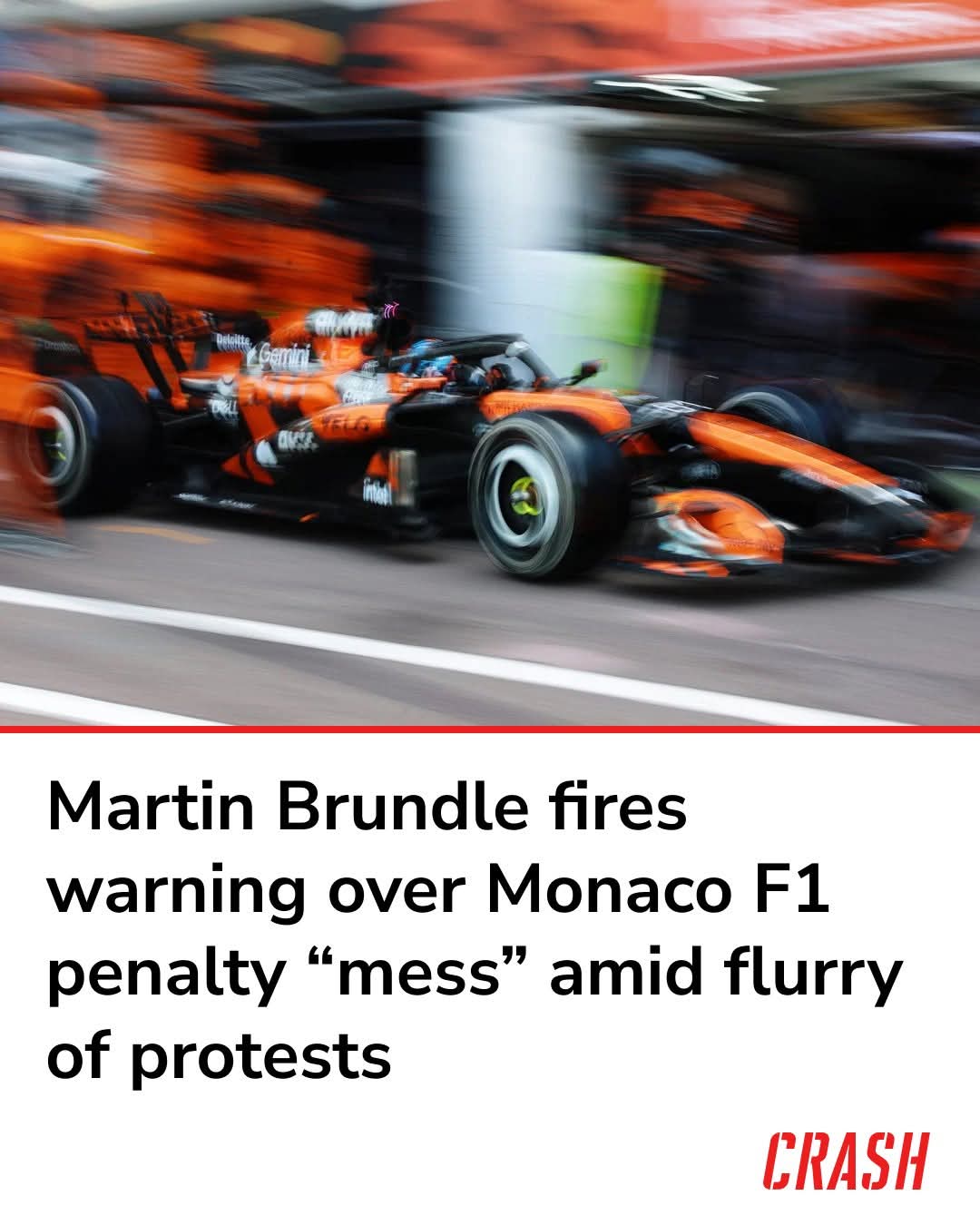
What began as a series of seemingly minor pit-lane speeding penalties has evolved into a full-scale legal and sporting dispute involving multiple teams, appeals, reviews, and protests. Now, respected F1 commentator Martin Brundle has publicly described the situation as a “mess,” warning that the fallout could have long-term consequences for the championship and the FIA’s decision-making process.
HOW THE MONACO CONTROVERSY STARTED
The controversy centers around pit-lane speeding penalties issued during the Monaco Grand Prix. Several drivers were penalized for exceeding the 60 km/h pit-lane speed limit by tiny margins, in some cases just tenths of a kilometer per hour.
At first, the penalties appeared straightforward. Teams accepted the rulings, strategies were adjusted, and the race result was finalized on track.
However, Alpine refused to let the matter rest. The French team launched a review of Pierre Gasly’s penalties, arguing that the speed calculations used to determine the infractions were flawed.
That challenge eventually revealed something far more significant than anyone expected.
THE SHOCK DISCOVERY THAT CHANGED EVERYTHING
During the review process, evidence emerged suggesting that one of Monaco’s pit-lane timing measurements may have been inaccurate.
Reports indicated that a timing loop used in calculating vehicle speeds was approximately 77 centimeters shorter than its calibrated distance. While that difference sounds insignificant, in Formula 1, where penalties were being issued for speeds exceeding the limit by only 0.1 km/h or 0.4 km/h, it became critically important.
The discovery raised immediate questions about the accuracy of every penalty issued under those conditions.
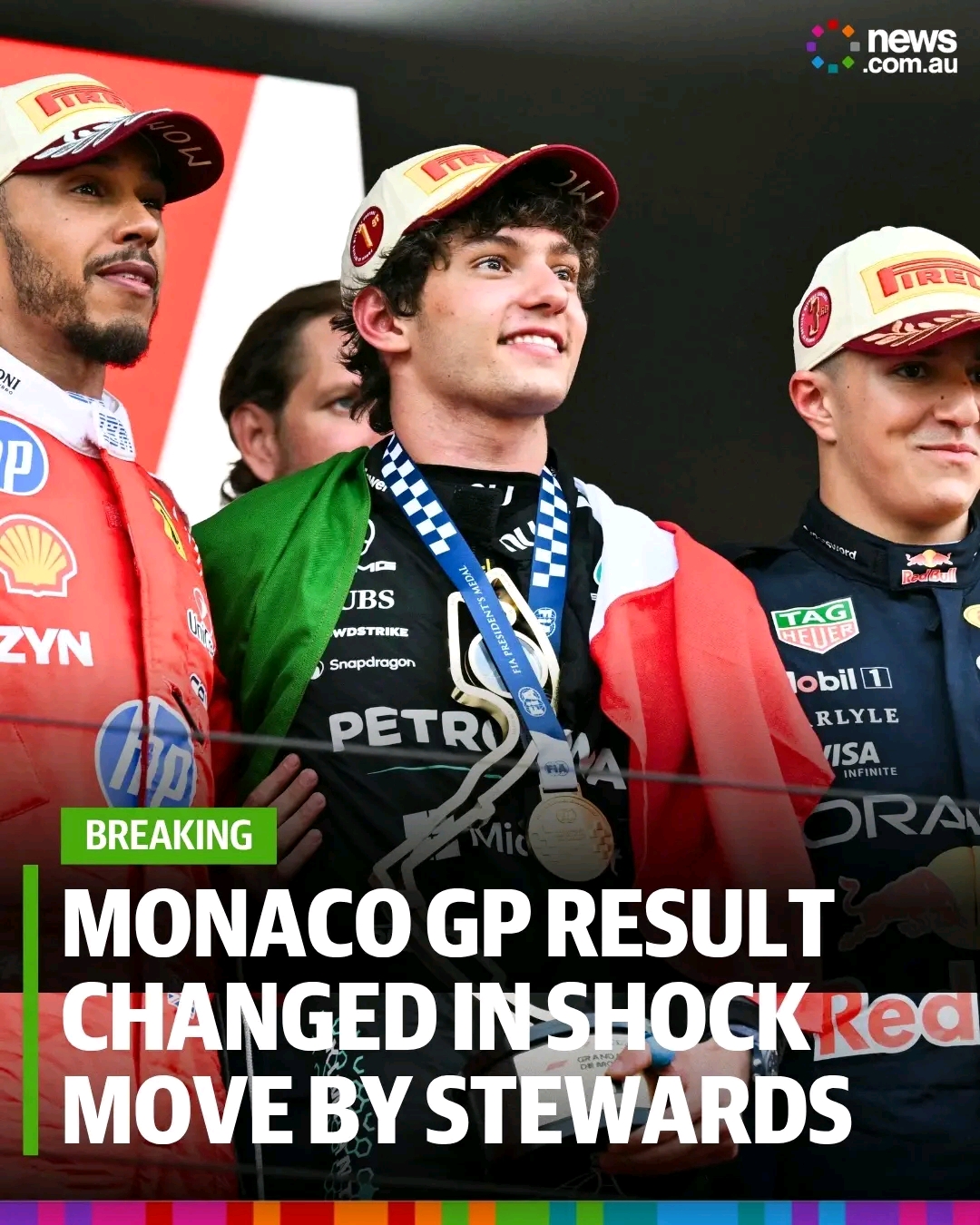
As a result, Gasly’s penalties were overturned, restoring his podium finish and dramatically reshaping the Monaco results.
WHY OTHER TEAMS ARE NOW FIGHTING BACK
The moment Gasly regained his podium, a new controversy emerged.
Several teams argued that they had managed their races differently because they accepted the original penalties as legitimate. Drivers served penalties during the race, teams altered strategies, and championship points were distributed based on those decisions.
Mercedes quickly sought its own review regarding George Russell’s situation, while McLaren and Red Bull reportedly challenged aspects of the revised outcome.
The result is a rare situation where a Formula 1 race remains under dispute long after its conclusion.
What was initially a technical timing issue has become a debate about fairness, consistency, and the integrity of race officiating.
MARTIN BRUNDLE’S WARNING TO FORMULA 1
Martin Brundle’s concerns reflect what many within the paddock are quietly discussing.
The former Formula 1 driver believes the situation creates uncomfortable precedents for the future. If teams can successfully overturn penalties after races are completed, competitors may become less willing to accept steward decisions immediately.
Future teams could choose to preserve legal options rather than fully committing to race-day penalties and strategy adjustments.
That creates uncertainty that Formula 1 traditionally tries to avoid.
One of the sport’s greatest strengths has always been the finality of race results. When that certainty disappears, trust in the competitive process can suffer.
THE CHAMPIONSHIP IMPLICATIONS ARE GROWING
The Monaco dispute is no longer simply about Pierre Gasly or Alpine.
Every point matters in modern Formula 1, especially under the ultra-competitive 2026 regulations. A podium finish can influence championship standings, team morale, sponsor exposure, and even end-of-season financial rewards.
With multiple teams now questioning aspects of the revised result, the championship battle itself could be affected.
The longer the situation continues, the greater the risk that Formula 1 finds itself debating legal interpretations instead of racing performance.
For a sport seeking to attract new audiences, that is not an ideal headline.
WHAT THIS MEANS FOR THE FIA
The FIA now faces a difficult balancing act.
On one hand, correcting a genuine error is essential. If inaccurate data contributed to penalties, fairness demands that those mistakes be addressed.
On the other hand, altering race outcomes after competitors have already adapted their strategies creates new fairness concerns.
The governing body must now decide whether the priority is correcting historical mistakes or protecting the finality of race-day decisions.
Whatever choice is made will likely influence future stewarding procedures and review requests across Formula 1.
LESSONS THAT COULD CHANGE FUTURE RACES
One positive outcome may be improved monitoring systems.
The Monaco controversy has exposed how sensitive Formula 1’s timing infrastructure has become. Tiny discrepancies in measurements can now create massive sporting consequences.
Expect the FIA and Formula One Management to conduct extensive reviews of timing equipment, calibration procedures, and penalty verification systems moving forward.
Teams will also likely become more aggressive in challenging marginal penalties when evidence suggests technical inconsistencies may exist.
PREDICTION: THIS STORY IS FAR FROM OVER
Despite Monaco being several races in the past, the controversy shows no sign of disappearing.
With Mercedes pursuing a review and rival teams continuing to question the revised outcome, more hearings and discussions appear inevitable. The final chapter of the Monaco Grand Prix may not be written until weeks after the race itself.
For Formula 1, the situation serves as a reminder that precision is everything. A discrepancy measured in centimeters has now triggered one of the biggest officiating controversies of the season.
And as Martin Brundle warned, finding a solution that satisfies everyone may prove far more difficult than identifying the original mistake.