The debate surrounding physical play in the WNBA has reached a new level after Indiana Fever star Caitlin Clark and teammate Sophie Cunningham addressed the fallout from the controversial incident involving Phoenix Mercury forward Alyssa Thomas. What began as a heated on-court moment has evolved into one of the most polarizing storylines of the 2026 WNBA season, fueling conversations about officiating standards, player safety, and the league’s ability to protect its biggest stars without compromising the competitive nature of the sport.
The controversy has become much larger than a single game. It now represents the growing tension between the league’s rapid rise in popularity and the increased scrutiny that comes with it. Every hard foul, officiating decision, and postgame comment is now analyzed by millions of fans, making this one of the defining issues of the current WNBA campaign.
THE INCIDENT THAT IGNITED THE LATEST FIRESTORM
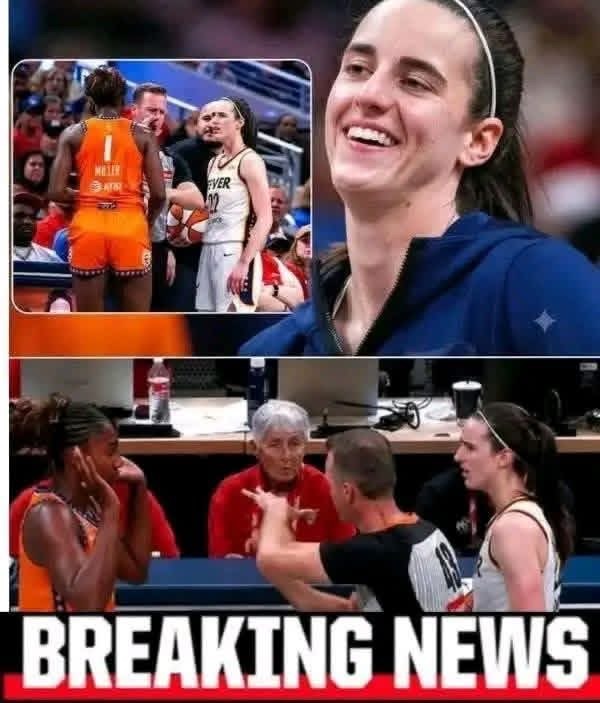
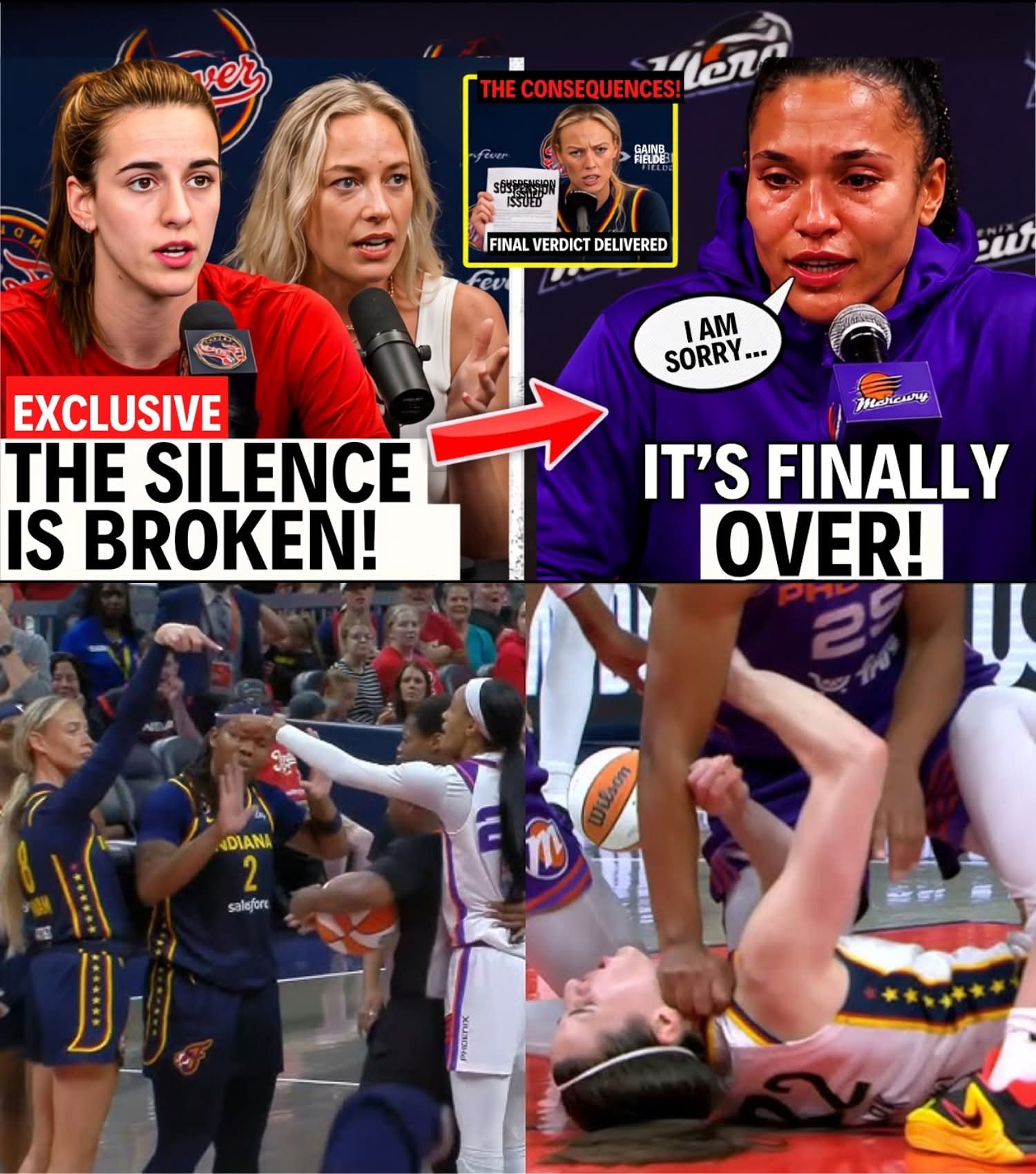
The controversy traces back to the June 24 matchup between the Indiana Fever and Phoenix Mercury. During a loose-ball scramble, Alyssa Thomas made contact with Caitlin Clark’s throat while both players battled for possession.
Officials allowed play to continue without calling a flagrant foul during the game. However, after reviewing the sequence, the WNBA upgraded the play to a Flagrant 2, determining that the contact qualified as a non-basketball act. Thomas received a one-game suspension, a punishment that immediately divided opinion across the basketball community.
Supporters of Clark argued the punishment failed to match the severity of the play, while others believed the league had handled the situation appropriately after reviewing the evidence.
CLARK CHOOSES COMPOSURE OVER CONTROVERSY
Throughout the growing media storm, Caitlin Clark has largely refused to escalate the situation publicly.
Instead of fueling personal attacks or engaging in a war of words, Clark has continued emphasizing her commitment to basketball and helping the Fever compete despite the physical attention she receives every night.
That approach has become a defining characteristic of her second professional season. Rather than responding emotionally to every controversial moment, Clark has consistently redirected attention toward her team’s goals and her performance on the floor.
Her calm response has earned praise from many observers, particularly as the attention surrounding every game continues to intensify.
SOPHIE CUNNINGHAM VOICES FRUSTRATION
While Clark remained measured, Sophie Cunningham became one of the most outspoken voices following the incident.
The Fever veteran questioned whether Clark receives consistent protection from officials, suggesting that repeated physical plays against one of the league’s brightest stars deserve greater attention.
Cunningham’s comments resonated with many Fever supporters, who believe Clark has absorbed an unusually high number of hard fouls since entering the WNBA. Others, however, argued that physical defense has always been part of professional basketball and should not change simply because of Clark’s popularity.
Regardless of where fans stand, Cunningham’s willingness to publicly address the issue has intensified the ongoing debate.
WHY OFFICIATING HAS BECOME THE REAL STORY
Although the conversation initially focused on Alyssa Thomas, the spotlight has increasingly shifted toward WNBA officiating.
Critics argue that inconsistent foul calls create unnecessary frustration for players and coaches, particularly when dangerous contact is only addressed after postgame reviews. The league’s decision to upgrade Thomas’ foul after the game demonstrates that officials and league reviewers did not view the incident identically.
That inconsistency raises important questions about whether referees need additional tools, improved replay procedures, or clearer guidance when evaluating dangerous contact in real time.
As the WNBA attracts larger television audiences and increased national attention, the expectation for consistent officiating continues to grow.
THE LEAGUE’S GROWTH BRINGS NEW CHALLENGES
The WNBA is enjoying unprecedented momentum, with attendance, television ratings, sponsorships, and social media engagement reaching historic levels.
Much of that growth has coincided with the arrival of a new generation of stars, including Caitlin Clark, Angel Reese, Paige Bueckers, and several emerging young talents.
With that popularity comes greater pressure. Every controversial decision now generates headlines, fan debates, and extensive online discussion. League executives must balance allowing competitive, physical basketball while ensuring player safety remains a top priority.
How the WNBA handles these situations moving forward could shape public perception during one of the most important growth periods in league history.
WHAT COMES NEXT FOR THE FEVER AND THE WNBA
The Indiana Fever remain focused on climbing the standings despite the distractions surrounding recent events. Clark continues to be the centerpiece of Indiana’s offense, while Cunningham has embraced a leadership role both on and off the court.
Meanwhile, Alyssa Thomas and the Phoenix Mercury will also be eager to move beyond the controversy and return the attention to basketball.
However, the broader conversation is unlikely to disappear anytime soon. Future games involving Clark will almost certainly receive heightened attention from officials, fans, and the media, while every hard foul will be examined more closely than ever before.
Whether the WNBA introduces additional officiating emphasis or simply allows the season to play out naturally, one thing is clear: player safety, consistency, and competitive integrity have become central topics in shaping the league’s future.