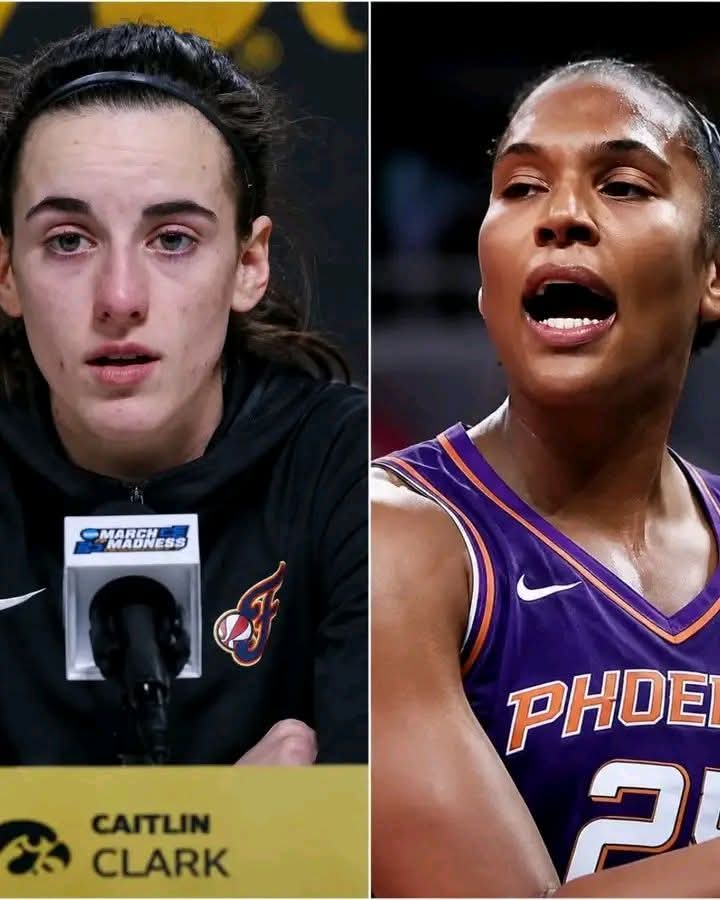
The WNBA’s decision to suspend Phoenix Mercury veteran Alyssa Thomas following her on-court altercation with Indiana Fever star Caitlin Clark has become one of the defining storylines of the 2026 season. While the league has officially closed the disciplinary process, the conversation surrounding player safety, officiating standards, and the treatment of the league’s biggest stars continues to dominate headlines.
Clark’s return from a back injury has shifted some attention back to basketball, but the controversy has left lasting questions about whether the WNBA’s current officiating and disciplinary systems are equipped to handle the increased intensity and spotlight surrounding the league. As television ratings, attendance, and national interest continue to climb, every major decision now carries greater scrutiny than ever before.
THE INCIDENT THAT SPARKED LEAGUE-WIDE CONTROVERSY
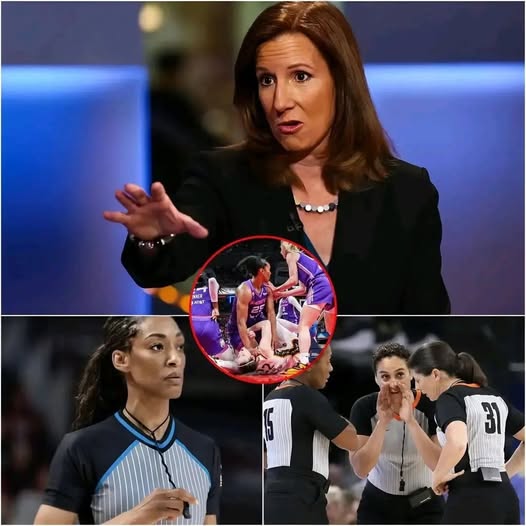
The incident occurred during Indiana’s June 24 matchup against the Phoenix Mercury, when Clark and Thomas became entangled while battling for a loose ball.
Officials allowed play to continue without calling a foul during the game. However, after reviewing the footage, the WNBA upgraded the play to a Flagrant Foul 2, determining that Thomas made unnecessary non-basketball contact involving Clark’s neck and throat area.
The league subsequently suspended Thomas for one game and imposed a $1,000 fine.
Although some fans expected a harsher punishment, the league’s decision reflected its existing disciplinary framework for flagrant conduct rather than creating a new precedent.
ALYSSA THOMAS RESPONDS TO THE SUSPENSION
Thomas accepted serving her suspension but maintained that the contact was accidental rather than intentional.
Following the incident, she also revealed that she had been subjected to online harassment, including racial abuse and death threats. Those developments quickly shifted part of the conversation away from basketball and toward the growing problem of toxic behavior on social media.
No athlete should face personal threats regardless of public opinion about an on-court incident, and the situation highlighted how quickly passionate sports debates can cross unacceptable lines.
The WNBA, players, and coaches have consistently urged fans to separate criticism of basketball plays from attacks on individuals.
CAITLIN CLARK RETURNS WITH A MEASURED RESPONSE
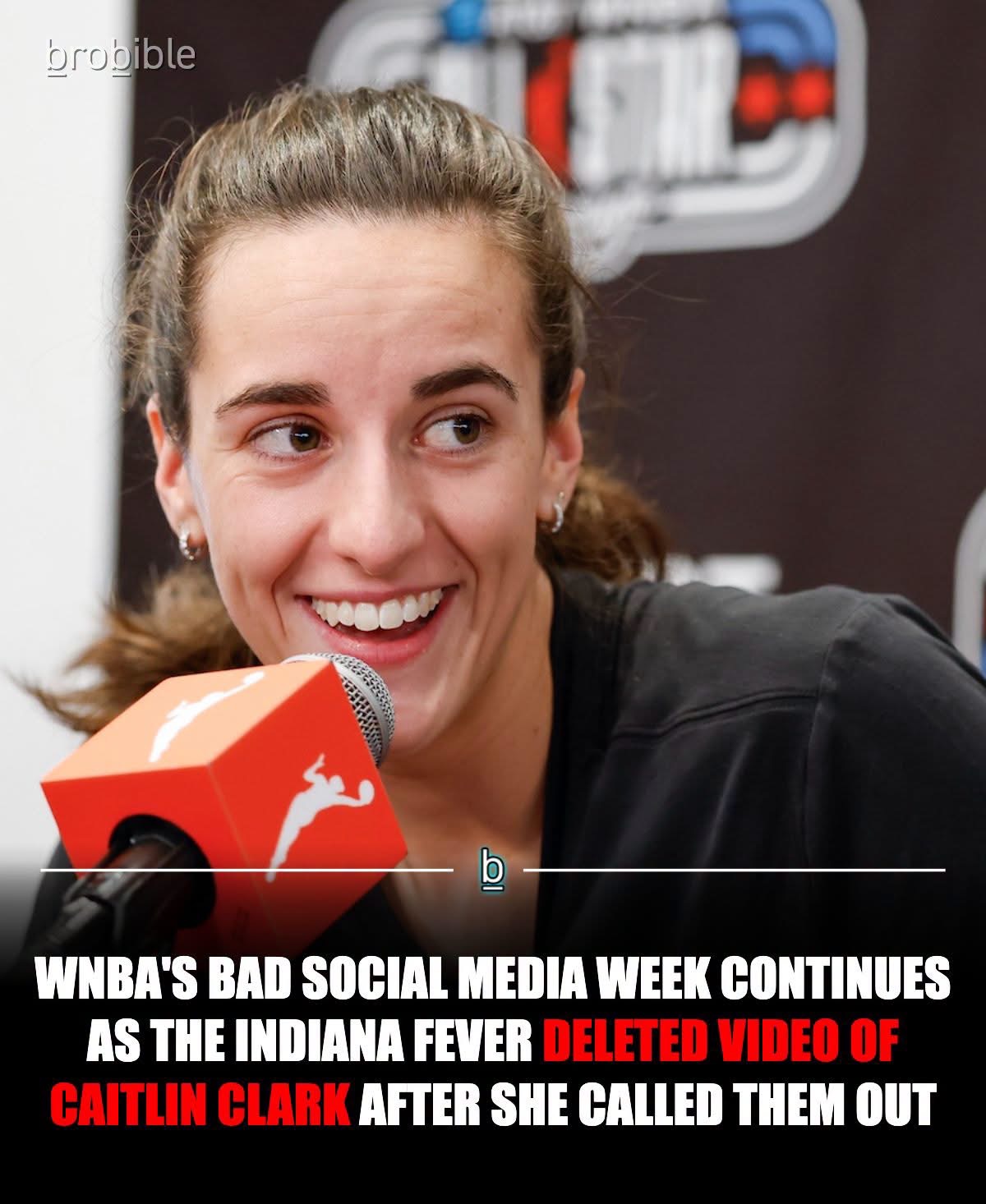
Clark’s own response to the controversy stood in stark contrast to much of the heated online discourse.
Rather than escalating tensions, the Indiana Fever guard supported the league’s decision while emphasizing that hatred and personal attacks have no place in sports.
She also reiterated the need for improved officiating and greater consistency in protecting all players across the league.
Clark’s comments reflected a broader concern shared by many around the WNBA: physical basketball is part of the sport, but dangerous plays and inconsistent officiating can unnecessarily increase injury risks.
Her return to practice and eventual return to game action provided a welcome boost for Indiana after missing time with a back injury sustained later in the same contest.
OFFICIATING REMAINS UNDER THE MICROSCOPE
The controversy reignited criticism of WNBA officiating, particularly because the original play received no penalty during live action.
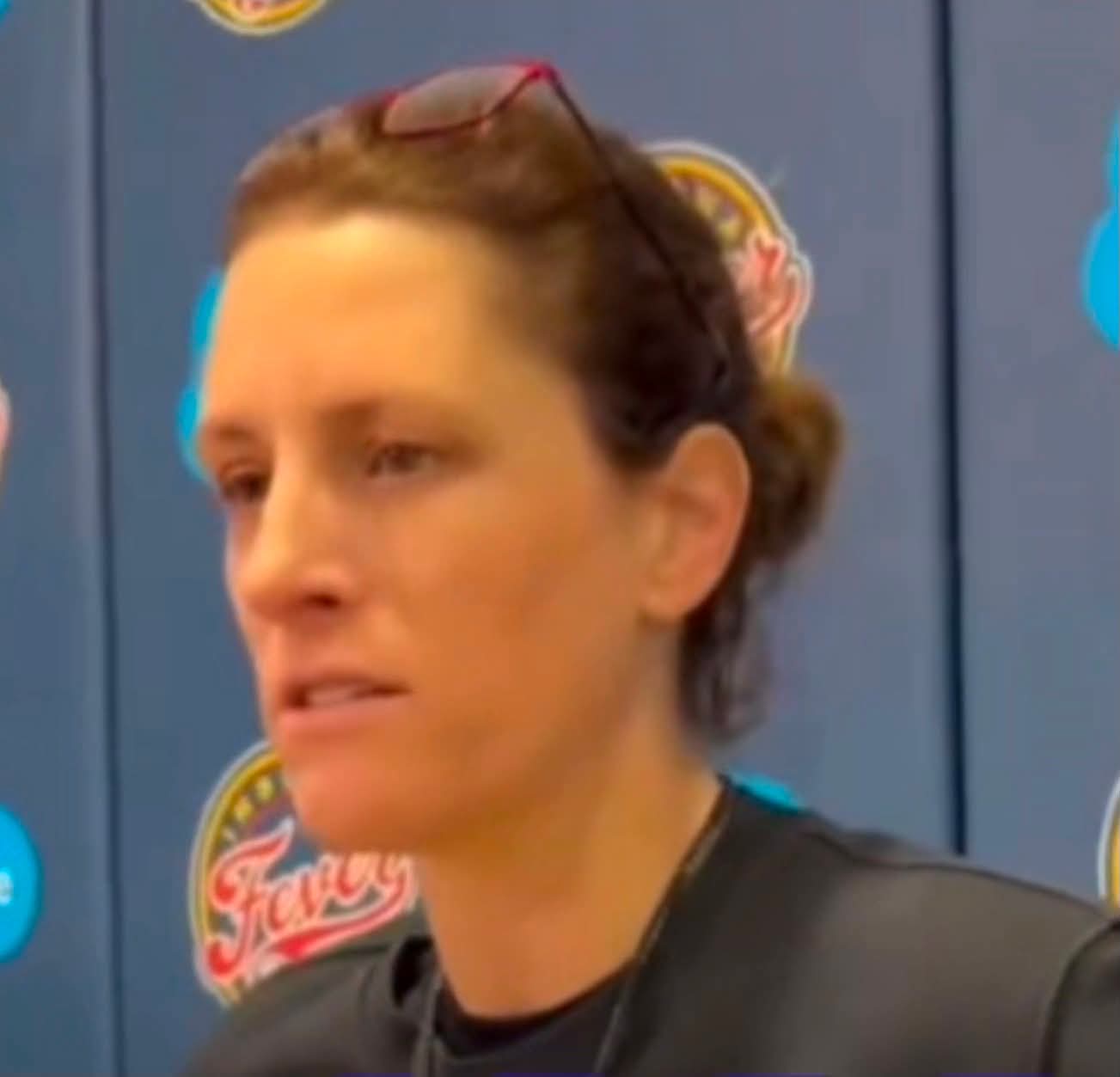
Indiana Fever head coach Stephanie White was among those who publicly questioned the officiating, arguing that officials must do a better job recognizing dangerous situations before they escalate.
This is not an isolated concern.
Throughout the 2026 season, players and coaches from multiple teams have expressed frustration over inconsistent foul calls, varying interpretations of physical defense, and delayed disciplinary action that often comes only after league review.
As the WNBA’s popularity grows, pressure is increasing on league officials to improve both accuracy and consistency.
WHY PLAYER SAFETY HAS BECOME A MAJOR LEAGUE ISSUE
The league now finds itself balancing two important priorities.
Fans appreciate physical, competitive basketball, but they also expect the league to protect its athletes—especially when collisions involve vulnerable areas such as the head and neck.
Clark’s arrival has amplified every discussion because she has become one of the biggest attractions in professional basketball. Games featuring the Fever consistently draw larger television audiences, increased ticket demand, and heightened media attention.
That reality doesn’t necessarily mean Clark should receive special treatment, but it does reinforce the importance of applying rules consistently to every player on the floor.
The WNBA’s credibility depends on maintaining that balance.
CLARK CONTINUES TO ELEVATE THE FEVER DESPITE THE SETBACK
Despite the interruption caused by her injury, Clark has continued building an outstanding sophomore campaign.
She recently earned Eastern Conference Player of the Month honors for June and secured a starting position in the 2026 WNBA All-Star Game, further cementing her status as one of the league’s premier stars.
Her impact extends far beyond statistics.
Attendance continues to surge wherever Indiana plays, television ratings remain among the league’s highest, and merchandise sales have reached unprecedented levels for the franchise.
For the Fever, having Clark healthy during the second half of the season could prove decisive as they continue fighting for playoff positioning.
THE MERCURY STILL RELY HEAVILY ON THOMAS
While much of the attention has centered on Clark, the Mercury remain dependent on Alyssa Thomas’ all-around production.
The six-time All-Star continues serving as one of Phoenix’s most versatile players, contributing across scoring, rebounding, defense, and playmaking.
Her brief suspension represented only a small interruption to Phoenix’s season, but the incident has placed additional scrutiny on how veteran players defend younger stars in an increasingly physical league.
Thomas’ experience remains invaluable to the Mercury as they pursue postseason success.
WHAT THIS MEANS FOR THE WNBA MOVING FORWARD
The controversy surrounding Clark and Thomas represents more than a single disciplinary decision.
It reflects the growing pains of a league experiencing unprecedented visibility and commercial growth.
Every controversial whistle, suspension, and physical confrontation now receives national attention that would have been unimaginable just a few years ago.
That increased exposure brings greater opportunities—but also greater responsibility.
The WNBA must continue refining its officiating standards, disciplinary procedures, and communication with players while maintaining the competitive intensity that has helped fuel its rapid rise in popularity.
With Clark back on the floor and both Indiana and Phoenix focused on playoff ambitions, attention can finally return to basketball. Yet the lessons from this incident are likely to influence league discussions well beyond the 2026 season, as the WNBA continues adapting to its new era of unprecedented attention and expectation.