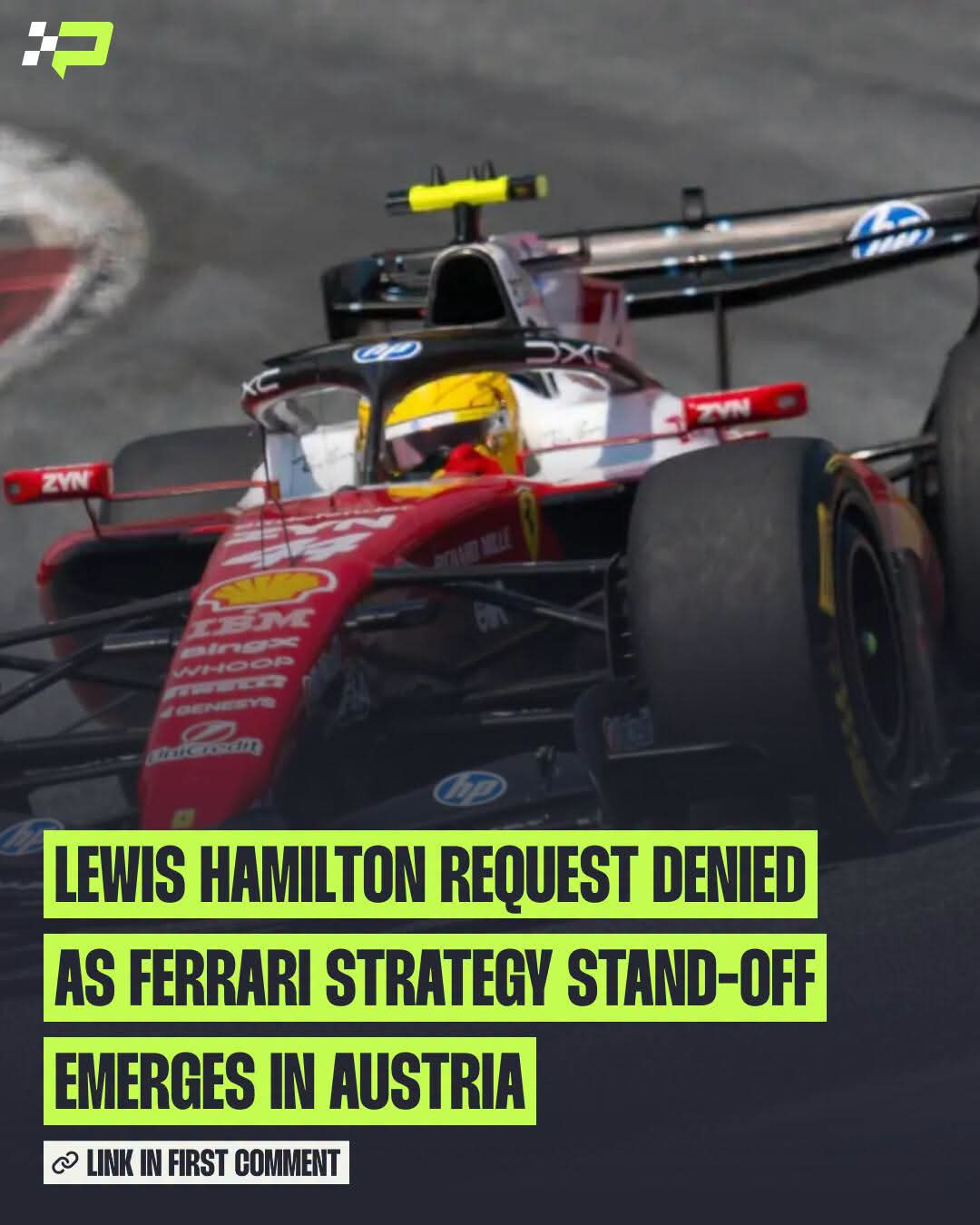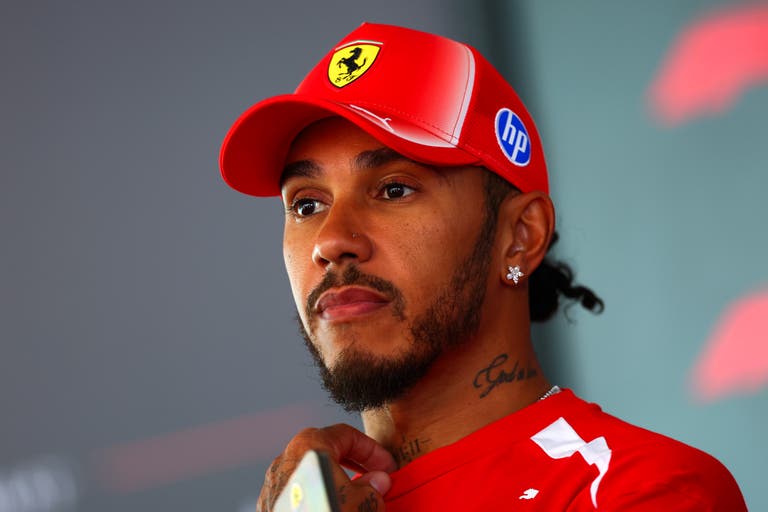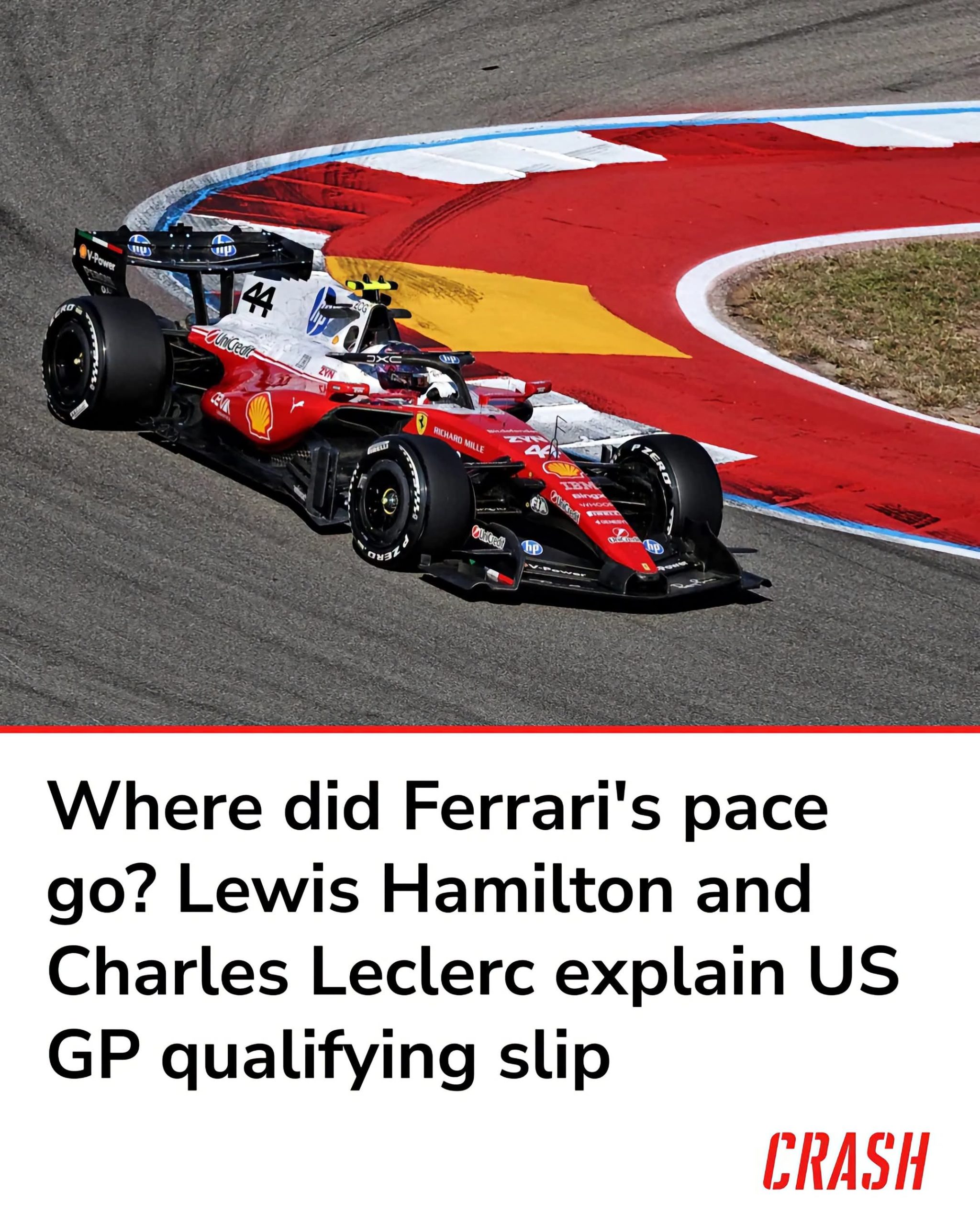
Ferrari entered qualifying at the United States Grand Prix as the clear favourites for pole after topping every Free Practice session at the Circuit of the Americas. By the end of Q3, both cars had slipped to fourth and fifth, leaving Lewis Hamilton and Charles Leclerc to explain a familiar and frustrating drop-off in performance when it mattered most.
The Scuderia once again showed strong Friday and Saturday morning pace, only to lose critical ground in the final segment of qualifying.
### LECLERC POINTS TO TRACK TEMPERATURE AND TYRES
Charles Leclerc qualified fourth and believes a small but decisive change in conditions between Q2 and Q3 undid Ferrari’s advantage. A slight drop in track temperature, combined with increased cloud cover, made the out-lap and tyre preparation significantly more difficult.
“This time, I think it’s slightly different in a way, that I don’t think the others have changed anything from Q2 to Q3,” Leclerc told Sky Sports. “Where we’ve lost is in ourselves, and that is mostly the tyres. The out lap was extremely difficult. There was a bit more cloud in Q3.
“We lost one or two degrees of track temp, and for us it was a night-and-day difference, and already from the out lap I felt like I was having lots of difficulties. It’s a shame that it happened in Q3 because I strongly believe that we had the pace to be fighting in front, but unfortunately not today again.”
Leclerc drew encouragement from history, noting that he had previously won at COTA after starting fourth.
### HAMILTON HIGHLIGHTS THE POWER DEFICIT
Lewis Hamilton, who will start fifth, offered a different emphasis. He felt the car remained competitive and that Ferrari had not made significant set-up changes between sessions. The decisive factor, in his view, was the straight-line speed disadvantage to both Red Bull and Mercedes.
“We did a really good job overnight; the car felt really good in FP3, competitive. Then Q1 and Q2 both felt really strong, felt like we were right there in the fight,” Hamilton said. “Then the car was just as good as it was; we didn’t make any changes. It wasn’t that the car was flipped upside down or anything in Q3; it was a really good lap. But those guys just somehow took another step.
“Ultimately, I think we’re a few tenths off on the straight, as we usually are. Obviously, the power deficit to the Red Bull and to the Mercedes is still significant, and I think that our car clearly is as good as there’s maybe through all the corners, but we lose that down the straight.”
### VASSEUR REFUSES TO BLAME THE CONDITIONS
Team principal Fred Vasseur acknowledged the potential was visible all weekend but declined to use the weather as the primary explanation.
“I think the potential was there all over the weekend. We had a good pace in all the free practice, and until the last corner, we were fighting for the pole, and well, it’s part of the game,” Vasseur said. “I think Q2 was a bit faster for everybody, and we all struggled to improve in Q3, perhaps a bit of wind or whatever, and it’s also a distraction for the drivers.
“But it’s the same for everybody. We can’t complain about the wind; this would be bullshit. I think we have to do a better job on the last lap because we had the potential to be at least on the first row.”
### A RECURRING FERRARI PATTERN
The Austin qualifying result fits a broader 2026 theme. Ferrari have frequently looked strong in practice, only to lose ground once the sessions become representative and the pressure intensifies. Tyre temperature sensitivity and a lingering power unit deficit have repeatedly limited their ability to convert Friday form into front-row starts.
Both drivers remain competitive over a race distance, and COTA has previously rewarded strong race craft and strategy. Starting fourth and fifth keeps both cars in contention, particularly if the race delivers the mixed conditions or safety-car periods that often define the event.
### WHAT IT MEANS FOR SUNDAY
Ferrari leave qualifying with work to do but not without hope. Leclerc’s previous success from fourth on the grid at this circuit offers a psychological boost, while Hamilton’s race pace has been one of the team’s more reliable assets in recent events. The power deficit will remain a factor on the long straights, yet the SF-26’s cornering performance could still allow both drivers to stay in touch with the leaders.
For a team that dominated the practice timesheets, fourth and fifth feels like a missed opportunity. Whether they can recover those positions on Sunday will determine if the weekend is remembered as another case of unfulfilled potential or a successful damage-limitation exercise that keeps them in the constructors’ fight.