Verstappen to McLaren in 2027? F1’s Biggest Transfer Rumour Explained…Verstappen to McLaren in 2027? F1’s Biggest Transfer Rumour Explained
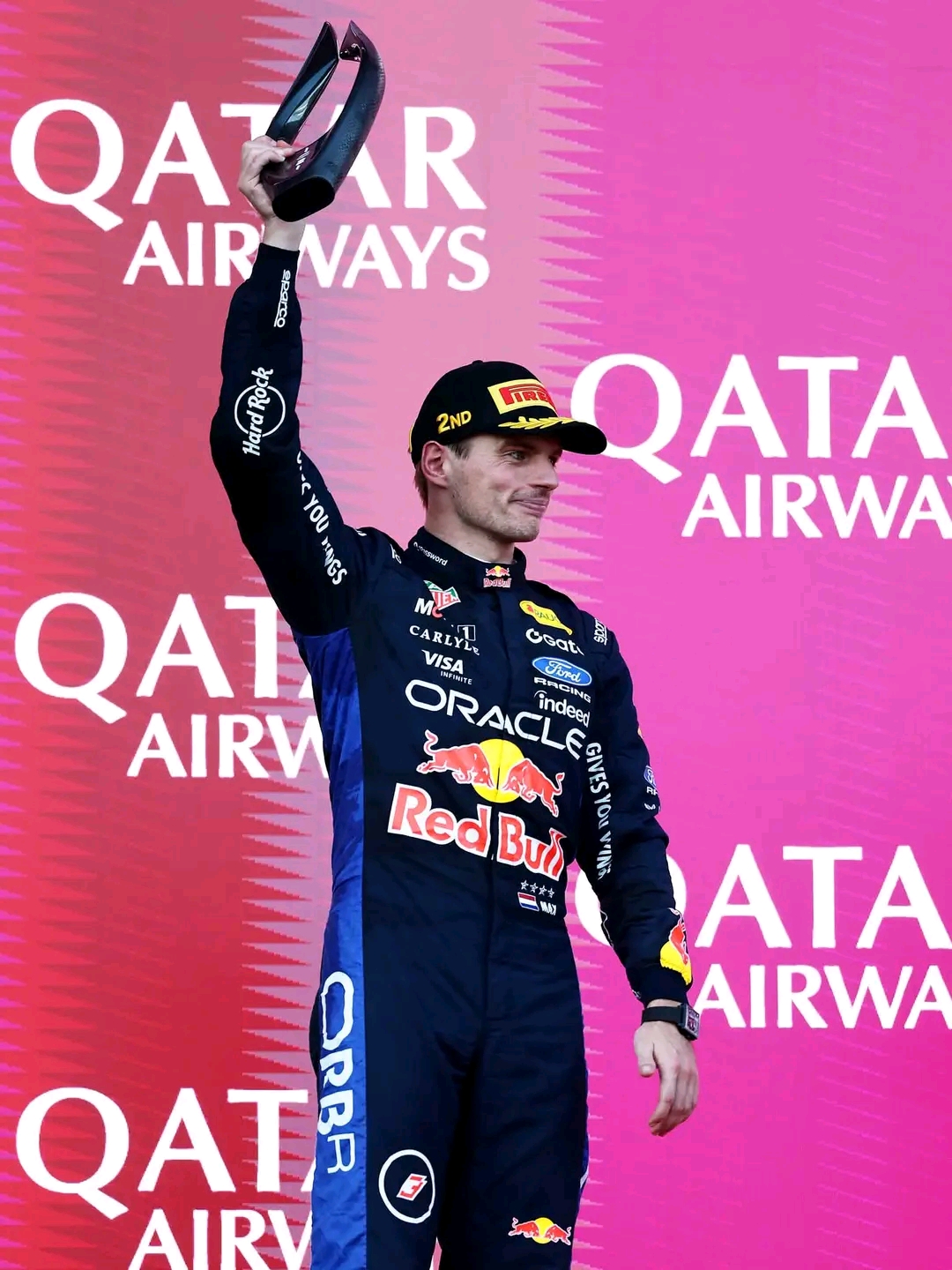
Formula 1’s driver market could be heading toward one of its biggest stories yet, with speculation linking Max Verstappen with a potential move to McLaren for the 2027 season. While no confirmed agreement has been announced, the possibility has generated considerable discussion among fans and within the wider F1 community.
Max Verstappen has been one of the defining drivers of Formula 1 in recent years. Since establishing himself at the front of the grid, the Dutchman has built a reputation for speed, consistency and an uncompromising approach to racing. His future, therefore, is naturally one of the sport’s biggest talking points whenever questions arise about a possible change of team.
McLaren, meanwhile, has developed into a major force in Formula 1. The team’s progress in recent seasons has strengthened its position at the front of the championship fight and increased speculation about what its future driver line-up could look like.
That combination has helped fuel the Verstappen-to-McLaren rumour. But what is actually behind the speculation, and how realistic is a move in 2027?
Why McLaren?
McLaren’s appeal would largely depend on the competitiveness of its car and the team’s long-term plans.
In modern Formula 1, a driver’s decision to change teams is rarely based on the name or history of a constructor alone. Performance, technical direction, management, commercial ambitions and the likelihood of competing for championships can all play important roles.
McLaren has invested heavily in building a competitive operation, with its technical organisation and driver programme becoming increasingly important parts of its strategy. If the team remains capable of fighting consistently at the front of the grid, it would naturally be an attractive destination for any driver seeking another opportunity to compete for championships.
For Verstappen, the central question would be whether McLaren could provide a package capable of matching his ambitions.
Verstappen’s future is the key
Any discussion about a potential move must begin with Verstappen himself.
The Dutch driver has spent the majority of his Formula 1 career with Red Bull and has achieved considerable success with the organisation. That relationship has been a defining part of his career, making any potential departure a major story.
However, Formula 1 contracts and driver futures can be complicated. Long-term agreements may contain specific clauses, performance-related conditions and other provisions that are not always publicly known.
That means speculation about a future move should be treated carefully unless the driver, team or another reliable source confirms that negotiations are taking place.
A 2027 move would also be influenced by what happens during the seasons leading up to it. Competitive performance can change quickly in Formula 1, particularly when technical regulations evolve.
Why 2027 matters
The 2027 season is still some distance away, making it difficult to predict exactly how the competitive order will look by then.
Formula 1 is entering a period of significant technical development, and changes to regulations can dramatically alter the performance of teams. A constructor that is dominant during one era can suddenly face a much more competitive field after a major regulation change.
That uncertainty is one reason rumours about future driver moves can be difficult to assess.
A team that looks like an ideal destination today may have a different competitive position several years later. Conversely, a team that is currently outside the championship fight could potentially develop into a title contender.
For a driver of Verstappen’s level, the competitiveness of the machinery would likely remain one of the most important considerations.
What would happen to McLaren’s current line-up?
A Verstappen move to McLaren would inevitably raise questions about the team’s existing drivers.
McLaren has invested significantly in its current driver structure, and replacing an established driver with Verstappen would involve considerable sporting and contractual implications.
There would also be questions about how the team would manage two highly competitive drivers within the same garage. Formula 1 teams have repeatedly demonstrated how important driver management can become when both competitors are fighting for victories and championships.
McLaren would therefore need to consider not only the potential performance benefits of signing Verstappen but also how such a partnership would fit into its wider long-term strategy.
The Red Bull factor
The other major part of the story is Red Bull.
Verstappen’s relationship with Red Bull has produced some of the most successful periods in the team’s history. Any potential departure would therefore represent a significant change for both sides.
Red Bull would have strong reasons to retain a driver of Verstappen’s calibre, particularly if the team remained capable of competing for championships.
The situation could also depend on the team’s future technical direction. Engine development, aerodynamic performance and the effectiveness of its technical organisation will all influence how attractive the team remains to its star driver.
Rumour or realistic possibility?
At this stage, the distinction between speculation and confirmation is important.
A headline suggesting that Verstappen is “going to McLaren” would be premature without an official announcement. Driver-market rumours can emerge from many different sources, including media reports, paddock speculation, comments from team personnel and interpretations of contract situations.
None of those automatically means a deal has been completed.
For now, a potential Verstappen-McLaren partnership should therefore be viewed as a storyline to watch rather than an established transfer.
That does not make the possibility irrelevant. Formula 1’s driver market can change rapidly, particularly when major regulation changes are approaching. Teams and drivers also have to make decisions well in advance of a new season.
What could decide Verstappen’s next move?
Several factors could ultimately shape Verstappen’s future.
The first is performance. If Red Bull continues to provide a championship-winning car, there would be an obvious sporting reason for Verstappen to remain.
The second is McLaren’s development. If McLaren establishes itself as a consistent championship contender, the team could become increasingly attractive to elite drivers.
The third is the technical direction of Formula 1. Regulation changes can completely reshape the competitive landscape, making long-term predictions especially difficult.
Finally, Verstappen’s own ambitions will be crucial. His priorities, contractual situation and relationship with his current team will all influence any decision about his future.
The bigger picture
Whether or not the rumour eventually becomes reality, speculation about Verstappen and McLaren highlights the extraordinary importance of the modern F1 driver market.
Top drivers are not simply choosing teams; they are choosing technical projects, leadership structures and long-term competitive opportunities. A move involving a driver of Verstappen’s stature would have consequences far beyond one seat on the grid.
For McLaren, signing Verstappen would represent a potentially transformative moment. For Red Bull, losing him would create a major challenge. And for Formula 1 fans, it would produce one of the most closely watched driver changes in recent memory.
For now, however, the story remains exactly that: a rumour.
The 2027 grid is still to be determined, and plenty can change before contracts are signed and announcements are made. Until the teams or Verstappen himself provide confirmation, claims of a completed move should be treated with caution.
One thing is certain: if Verstappen’s future does become the centre of the 2027 silly season, the Formula 1 world will be watching closely.