Formula 1 has a long history of turning casual radio comments, post-race interviews, and off-track moments into lasting memes. Few have stuck quite like the one that first appeared in the rain-soaked chaos of the 2021 Belgian Grand Prix. Back then, a young Lando Norris was caught dozing on the grid as the commentary delivered the now-iconic line: “And it’s all too much for little Lando Norris.”
Fast forward to late 2026 and the phrase is back in circulation, this time with a sharper edge. Fans, pundits, and even official accounts have been reacting to the reigning world champion with a simple, knowing “Too much, Lando 😬.” The emoji says everything. What once felt affectionate now carries a note of concern, frustration, and mild second-hand embarrassment.
THE CURRENT REALITY FOR THE 2025 WORLD CHAMPION
Lando Norris enters the final stretch of the 2026 season as defending champion yet sits well outside the title fight. McLaren’s MCL40 has proven a difficult machine. Norris himself has described it as operating “on a knife-edge in every single corner,” requiring constant, exhausting concentration just to keep it on the road. Straight-line speed differences between his car and teammate Oscar Piastri’s have also become a talking point, with the team acknowledging a small but measurable deficit on Norris’s side that they are still trying to diagnose.
The result has been a string of weekends that feel heavier than they should for a driver of his calibre. Qualifying has become a battle against both the car and his own expectations. Race day often brings the same mental load: force every input, never trust the platform completely, and still somehow extract a result. When the car is not cooperating, the margin for error disappears. That is the environment in which small mistakes and sharp comments start to surface.
WHEN THE PRESSURE SHOWS IN PUBLIC
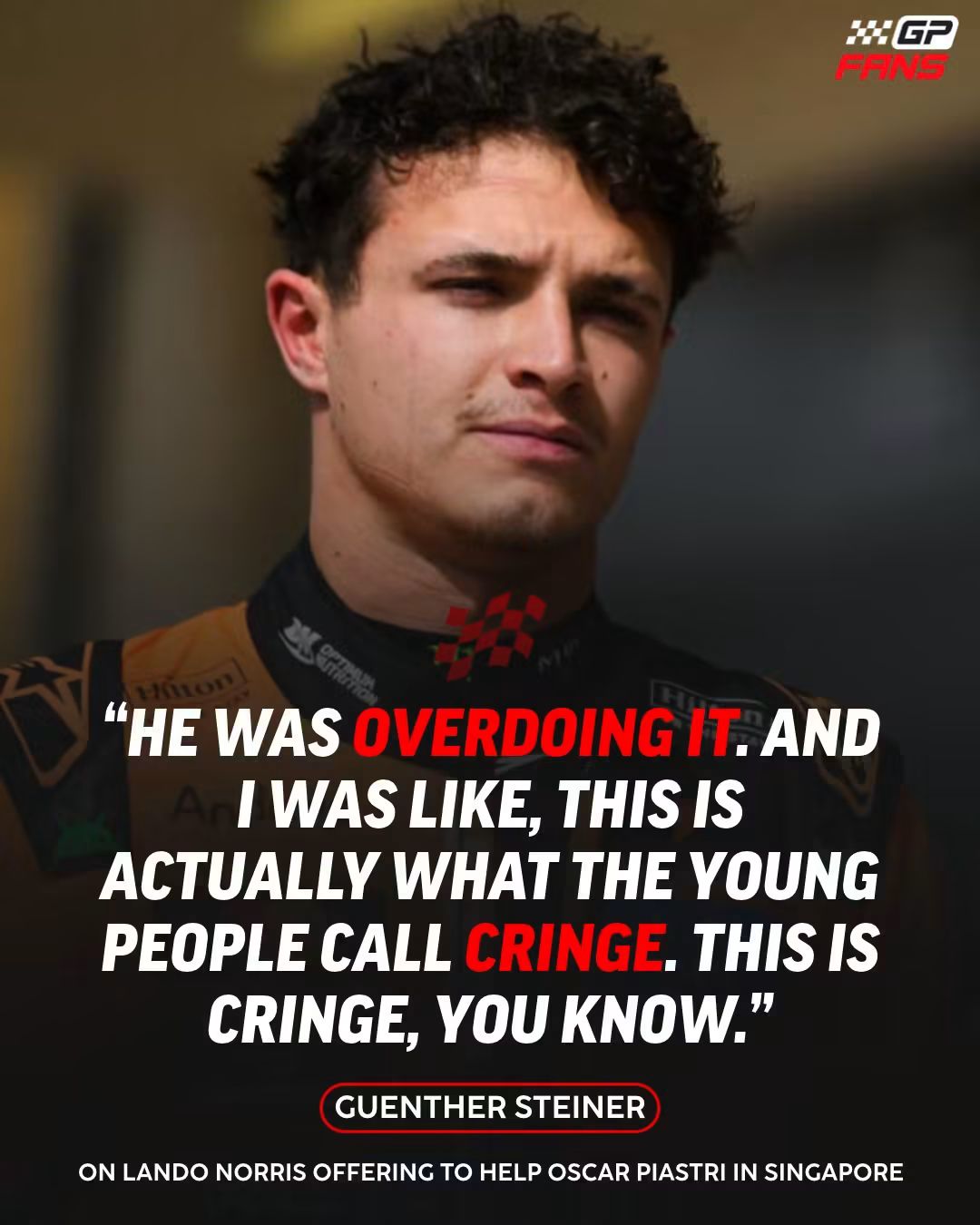
Recent weeks have delivered several moments that fuelled the “too much” reaction. A late-race lunge on Piastri during the Singapore Sprint ended with both cars compromised and the stewards labelling it a racing incident. Norris initially defended the move with characteristic confidence, then later accepted he should not have attempted it and apologised to the team.
In the same weekend, a post-sprint interview turned awkwardly confrontational when a journalist asked whether the move was necessary. Norris’s sarcastic reply—“What’s the title of the race?”—circulated widely and drew criticism for coming across as dismissive. Off-track, a night-out clip in which he jokingly asked “Where’s Lance?” after a sign praised “the best driver” added another layer of online debate.
None of these incidents are career-defining on their own. Together, however, they create the impression of a driver feeling the weight of a difficult car, a championship defence that has stalled, and the constant scrutiny that comes with being a recent title winner.
WHY THIS MATTERS FOR MCLAREN AND THE WIDER PADDOCK
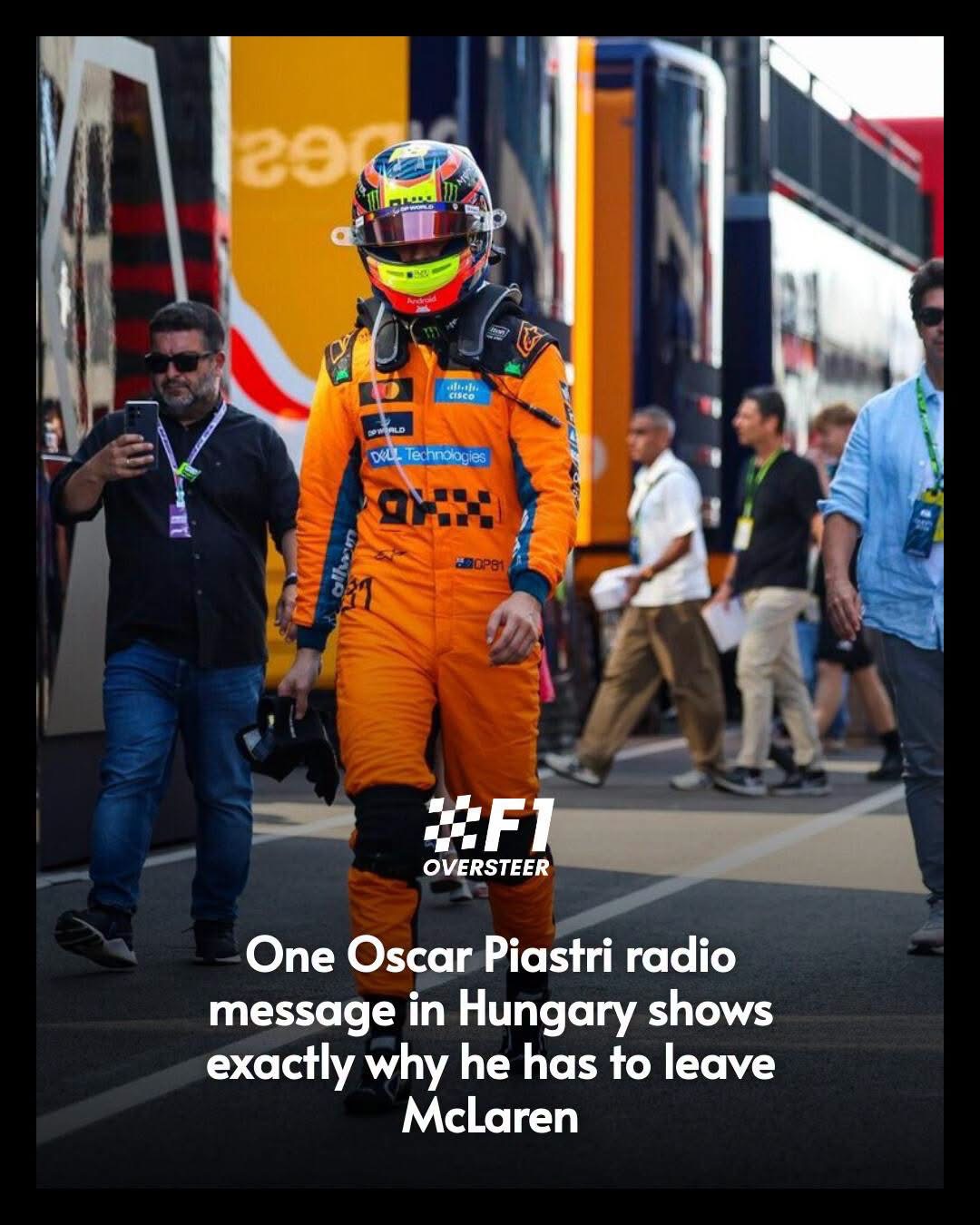
McLaren spent years rebuilding into a genuine front-running team. Winning the 2025 drivers’ championship with Norris was validation of that project. The 2026 car, however, has revealed limits that cannot be fully fixed until the next major regulation cycle. When both drivers describe the same platform as mentally draining, the issue is structural rather than individual.
For Norris specifically, the situation tests the mental tools he has developed since his earlier career. He has spoken openly in the past about putting excessive pressure on himself in the pursuit of perfection. The current car amplifies that tendency. Every session becomes a high-wire act, and the public moments that follow can quickly dominate the narrative.
The championship picture also shifts. With other drivers and teams capitalising on McLaren’s relative struggles, the gap at the top of the standings has grown. A defending champion fighting the car as much as the competition changes the dynamic for everyone behind him and for the team’s constructors’ ambitions.
THE MEME THAT REFUSES TO DIE
The original “little Lando Norris” line worked because it captured something genuine: a young driver momentarily overwhelmed by the scale of the weekend. In 2026 the phrase has evolved. It is no longer about a sleepy rookie on a rain-delayed grid. It is about a proven race winner and champion who is once again being asked to extract more from a car that refuses to give it easily.
Fans use the shorthand because it is efficient. It acknowledges the difficulty without requiring a full technical analysis. At the same time, it risks oversimplifying a complex engineering and psychological challenge. Norris has never been one-dimensional. The same driver capable of producing championship-winning performances is also the one whose radio and interviews have long provided some of the paddock’s most human moments.
WHAT COMES NEXT
The remaining races of 2026 will not rewrite the season’s hierarchy overnight. What they can do is show whether Norris and McLaren can find a more workable balance with the current car, or whether the mental cost continues to rise. For a driver who has already proven he can handle the ultimate pressure of a title fight, the current test is different: performing when the machinery itself is the main opponent.
“Too much, Lando” will probably keep appearing whenever the car bites, the interview goes sideways, or the results fall short of expectation. The real question is whether the phrase remains a light-hearted meme or becomes a more serious diagnosis of a difficult chapter. Norris has the talent and the track record to rewrite the ending. The coming weekends will reveal how much more he—and the team around him—are prepared to absorb.