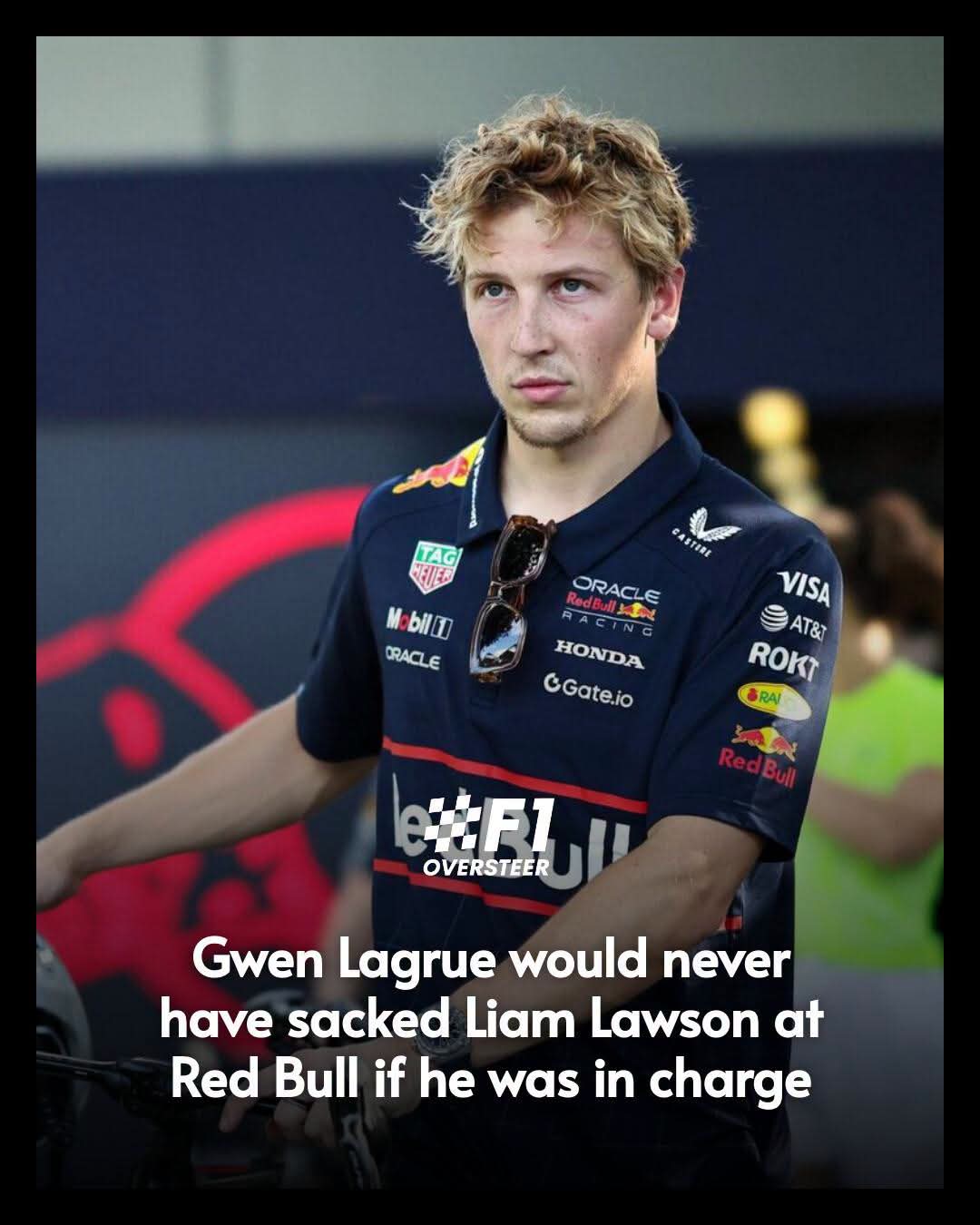
Red Bull Racing’s approach to developing Formula 1 talent may finally be on the verge of a dramatic transformation. With Mercedes’ highly respected driver development chief Gwen Lagrue reportedly set to take over the Red Bull junior program following Helmut Marko’s departure, many within the paddock believe the team is preparing to abandon the ruthless philosophy that defined its academy for decades. If Lagrue had been in charge just a year earlier, Liam Lawson’s brief and controversial Red Bull promotion might have ended very differently.
Lawson’s demotion after only two Grands Prix in 2025 remains one of the harshest driver decisions in modern Formula 1. While Red Bull believed immediate results were essential, Lagrue’s history at Mercedes suggests he would have prioritized patience, coaching, and long-term development instead of making such a rapid judgment.
RED BULL’S DRIVER PROGRAM IS ENTERING A NEW ERA
For years, Helmut Marko built a reputation as Formula 1’s toughest talent evaluator.
His methods undoubtedly produced champions like Sebastian Vettel and Max Verstappen, but they also left behind a long list of promising young drivers who never received enough time to prove themselves. Red Bull’s academy became famous for promoting drivers quickly—and removing them just as fast if performances failed to meet exceptionally high expectations.
Now, with Marko gone and Gwen Lagrue expected to oversee Red Bull’s future driver pathway, the organization appears ready to embrace a significantly different philosophy.
Unlike his predecessor, Lagrue has built his reputation by investing in young drivers over multiple seasons rather than demanding instant perfection.
LIAM LAWSON BECAME THE SYMBOL OF RED BULL’S HARSH APPROACH
Few drivers experienced Red Bull’s unforgiving culture more dramatically than Liam Lawson.
Promoted to the senior team for the 2025 season, the New Zealander was expected to adapt immediately alongside Max Verstappen, arguably the most demanding benchmark on the Formula 1 grid. Struggling with an extremely difficult car and enormous external pressure, Lawson failed to match Verstappen’s pace during the opening rounds.
Instead of allowing him additional races to improve, Red Bull quickly returned him to Racing Bulls after only two Grands Prix.
Reports later suggested that Helmut Marko had even considered replacing Lawson after the opening race in Australia before team principal Christian Horner convinced him to wait one more weekend.
That second opportunity ultimately became Lawson’s final appearance for Red Bull.
Looking back, many observers now question whether two races were ever enough to fairly evaluate a driver’s potential.
GWEN LAGRUE HAS BUILT HIS CAREER ON DEVELOPING TALENT
Mercedes’ driver academy tells a very different story.
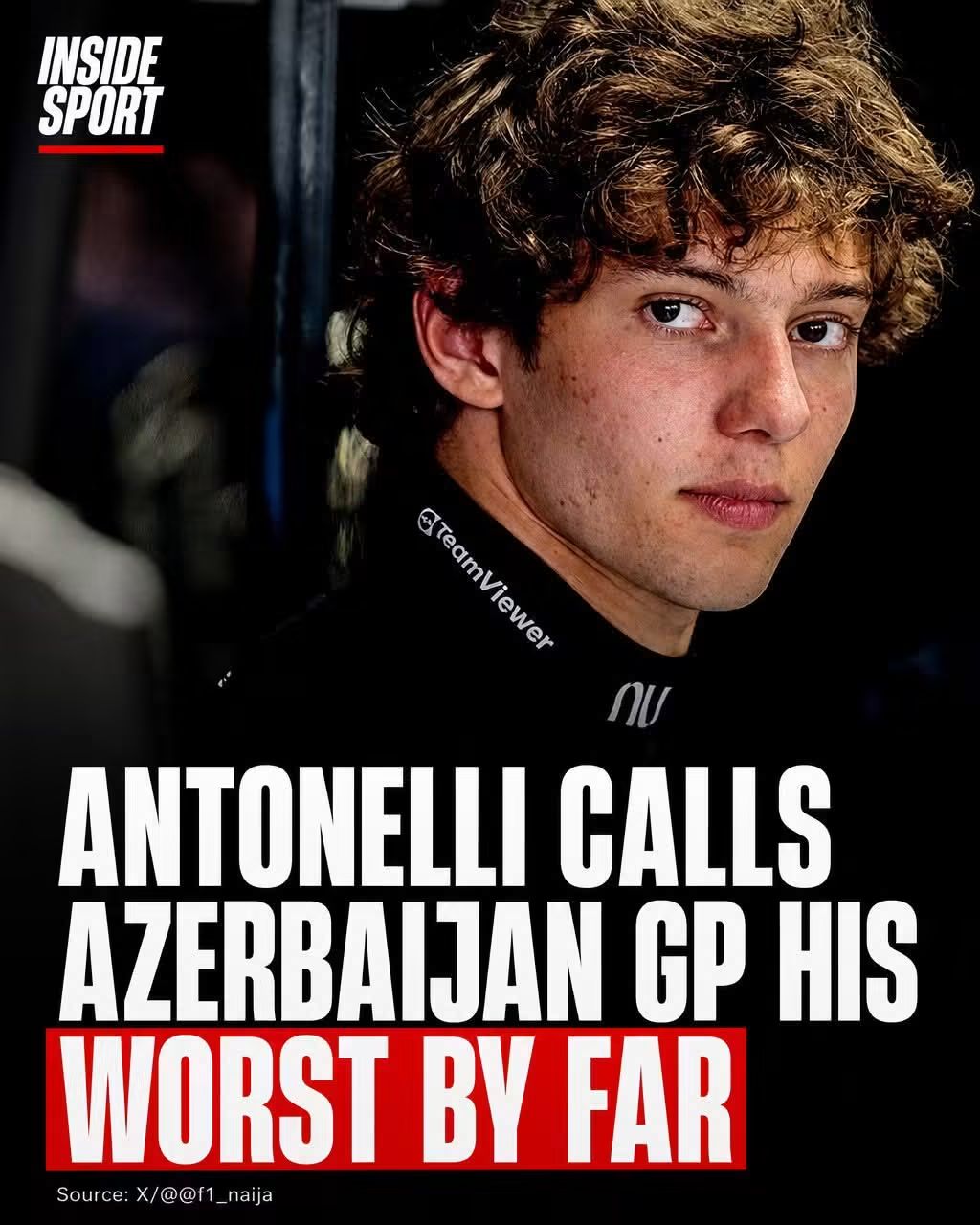
Rather than measuring drivers solely by immediate Formula 1 results, Lagrue has consistently focused on education, gradual progression, and building confidence. His influence helped guide George Russell from Formula 2 champion to genuine Formula 1 title contender, while Andrea Kimi Antonelli has rapidly emerged as one of the sport’s brightest stars and currently leads the 2026 Drivers’ Championship.
Lagrue has also supported drivers whose careers appeared to be in jeopardy.
Esteban Ocon received crucial backing when opportunities became limited, while Alex Albon benefited from guidance after losing Red Bull support earlier in his career.
Instead of treating drivers as disposable assets, Lagrue has repeatedly emphasized that his responsibility is to help young racers maximize their careers through continuous learning and development.
That philosophy stands in sharp contrast to Red Bull’s traditional approach.
WHY RED BULL MAY NEED THIS CULTURAL CHANGE
Formula 1 has changed dramatically over the last decade.
Modern cars are more complex than ever, requiring drivers to master hybrid systems, tyre management, energy deployment, advanced simulator work, and sophisticated race engineering. Expecting rookies to immediately perform at an elite level has become increasingly unrealistic.
Several recent Red Bull promotions have highlighted this challenge.
Whether it was Lawson, Yuki Tsunoda, Pierre Gasly, or Alex Albon before him, multiple talented drivers struggled to adapt quickly enough under immense internal pressure.
While Verstappen continues to thrive, Red Bull has repeatedly found itself searching for a stable teammate capable of handling both the car and the expectations that come with it.
A development-first philosophy could finally give future Red Bull prospects the breathing room required to unlock their full potential.
LAWSON’S CAREER SUGGESTS PATIENCE MIGHT HAVE PAID OFF
Ironically, Lawson has shown signs of significant improvement since returning to Racing Bulls.
His recent performances have strengthened the argument that his Red Bull spell ended before anyone could truly judge his ceiling. Consistent points finishes and increasing confidence suggest the raw talent Red Bull originally identified was never in question—it simply required time to mature.
Had Lawson received additional races under a development-focused structure similar to Mercedes’, his story could have unfolded very differently.
Instead of becoming another example of Red Bull’s unforgiving system, he may have evolved into the long-term teammate Verstappen has often lacked.
That possibility now serves as a lesson for Red Bull as it prepares for its next generation of drivers.
WHAT LAGRUE’S ARRIVAL COULD MEAN FOR RED BULL’S FUTURE
If Gwen Lagrue officially takes charge of Red Bull’s driver development program, his influence could extend far beyond individual promotions.
The academy may shift from becoming Formula 1’s toughest proving ground into one of its strongest development environments. Young drivers would likely receive greater mentoring, more structured progression, and additional opportunities before facing career-defining decisions.
Such a transformation would not eliminate Red Bull’s competitive standards, but it could reduce the risk of losing exceptional talent simply because they were judged too early.
For a team preparing for Formula 1’s next era, balancing performance with patience may prove just as valuable as finding the next Max Verstappen.
Ultimately, Liam Lawson’s brief Red Bull chapter may become remembered not only as one of Formula 1’s harshest driver decisions—but also as the moment that convinced Red Bull its entire development philosophy needed to evolve.