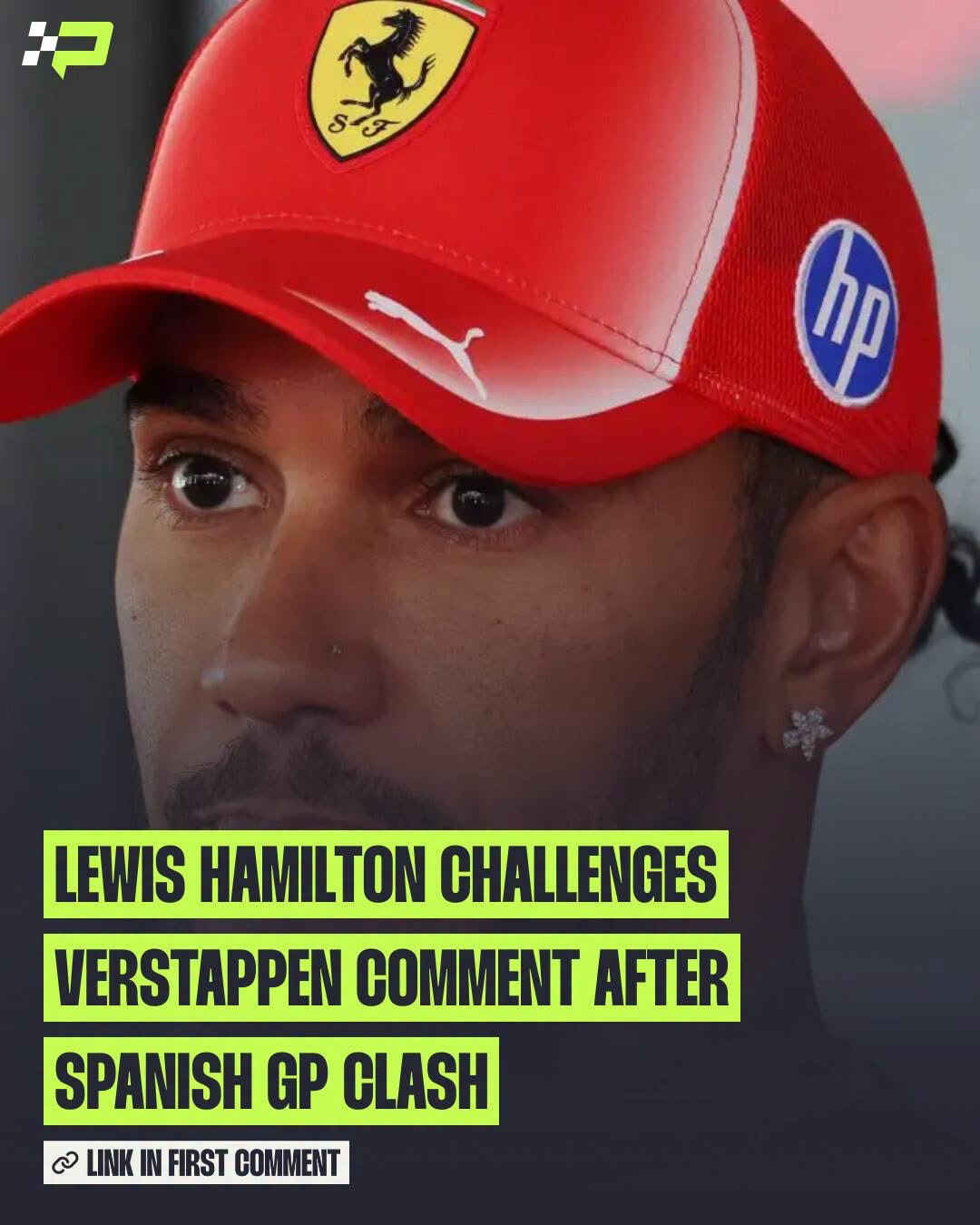
Lewis Hamilton has rejected Max Verstappen’s angry description of their first-lap battle at the Spanish Grand Prix, insisting the fight was simply “pretty good racing.” The contrasting views of the two champions once again highlighted the lingering tension between them after a dramatic opening to the race in Madrid.
Verstappen had been forced to hand positions back on team orders, only for Hamilton’s race to unravel moments later with a brake failure.
HOW THE OPENING CORNERS IGNITED THE DISPUTE
Hamilton made a strong start from fourth and briefly threatened a move into Turn 1 at the Madring. As the gap closed he backed out, bounced over the kerb and rejoined the track. Verstappen, running on the outside, took evasive action into the runoff and emerged ahead.
The Dutchman also found himself in front of championship leader Kimi Antonelli after the Mercedes driver ran off track twice on the opening lap. Red Bull race engineer Gianpiero Lambiase instructed Verstappen to give the place back to Hamilton, which also meant letting Antonelli through. Verstappen protested but complied.
VERSTAPPEN’S FURIOUS RADIO REACTION
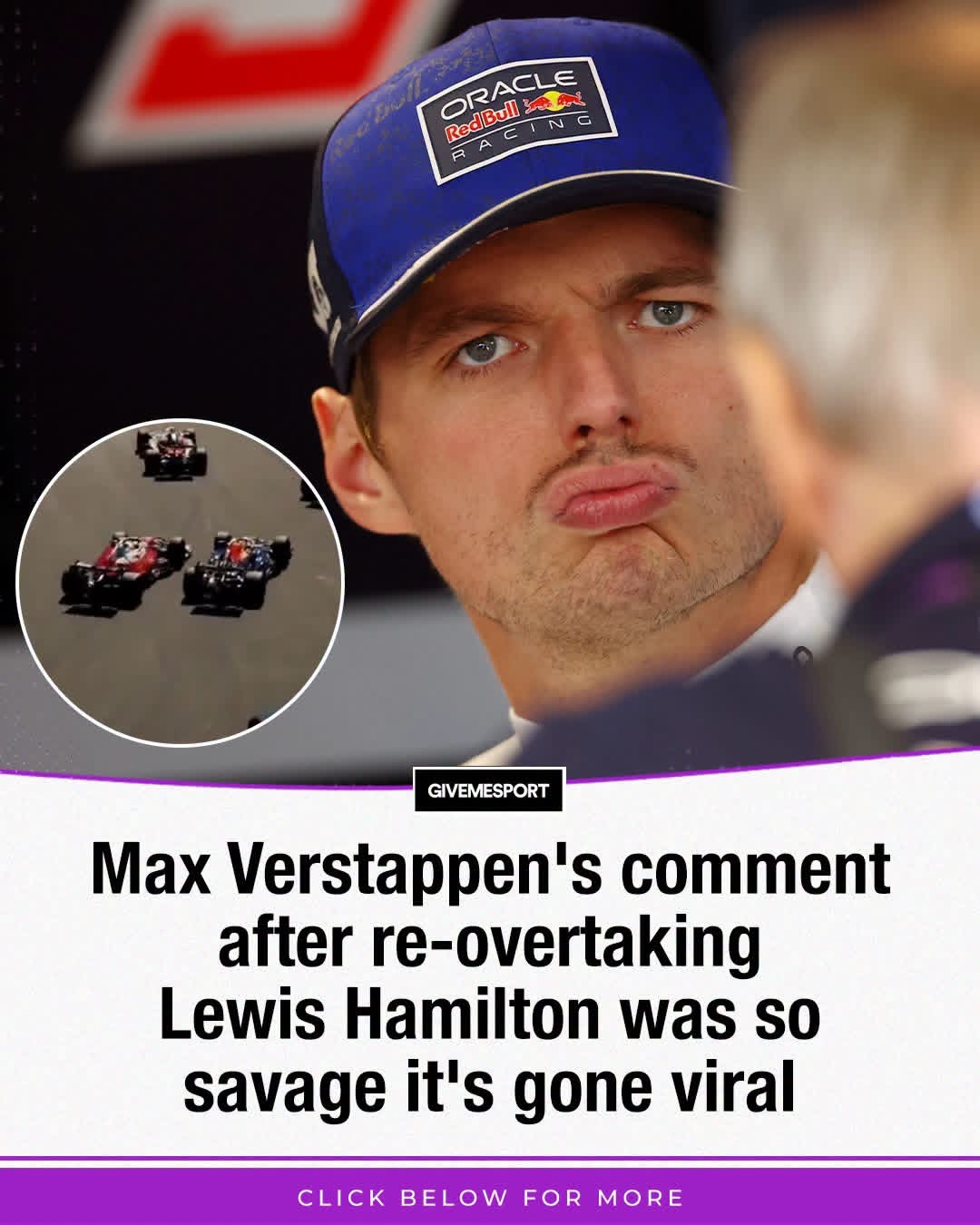
Shortly after the position swap, Hamilton began suffering brake problems. As the Ferrari lost pace and Verstappen went back past him, the Red Bull driver delivered an unfiltered assessment over team radio: “He can give me the position now, fking bullsh*t. Fking mickey-mouse racing this is.”
The message captured Verstappen’s belief that the earlier give-back had been rendered pointless by Hamilton’s immediate loss of performance.
HAMILTON’S CALM BUT FIRM RESPONSE
Informed of Verstappen’s comments after the race, Hamilton offered a different perspective. “I thought it was pretty good racing to be honest,” he said. He added that he had not even seen Verstappen during the start and felt the battle itself was hard but fair.
Hamilton also provided a clear explanation of the brake failure that ended his afternoon. Approaching Turn 5 the pedal suddenly took a step and the car failed to decelerate as expected. He ran wide, made light contact with the barrier, and briefly thought the problem had resolved itself before the pedal went long a few corners later, forcing his retirement.
VERSTAPPEN DEFENDS HIS AVOIDING ACTION
Speaking in the post-race press conference, Verstappen maintained that staying on track would have resulted in contact and potential damage. “I would have had damage at the start if I would have stayed on track. So then the win was also not on,” he explained. He was ultimately content with second place behind Antonelli.
The stewards noted Verstappen for potentially leaving the track and gaining an advantage but took no further action once he followed the team instruction to give the positions back.
TWO CHAMPIONS, TWO VERSIONS OF THE SAME MOMENT
The exchange underlined the familiar gap in how Hamilton and Verstappen interpret close racing. Where one saw an unnecessary and artificial intervention, the other saw a standard first-lap contest. Their differing radio tones — Verstappen’s raw anger versus Hamilton’s measured dismissal — only reinforced the contrast.
For both drivers the afternoon ended in mixed emotions. Verstappen recovered to second after the early drama. Hamilton’s retirement continued a difficult weekend for Ferrari and further dented any lingering championship hopes.
WHAT THE CLASH MEANS GOING FORWARD
Incidents like the one in Madrid ensure the Hamilton-Verstappen dynamic remains one of Formula 1’s most compelling storylines, even as the championship focus shifts toward Antonelli. Neither driver is likely to change their approach or their interpretation of the rules.
In the end, the opening lap at the Madring produced another chapter in a long-running rivalry. Verstappen called it Mickey Mouse racing. Hamilton called it pretty good racing. Formula 1 fans will decide for themselves which description fits best.