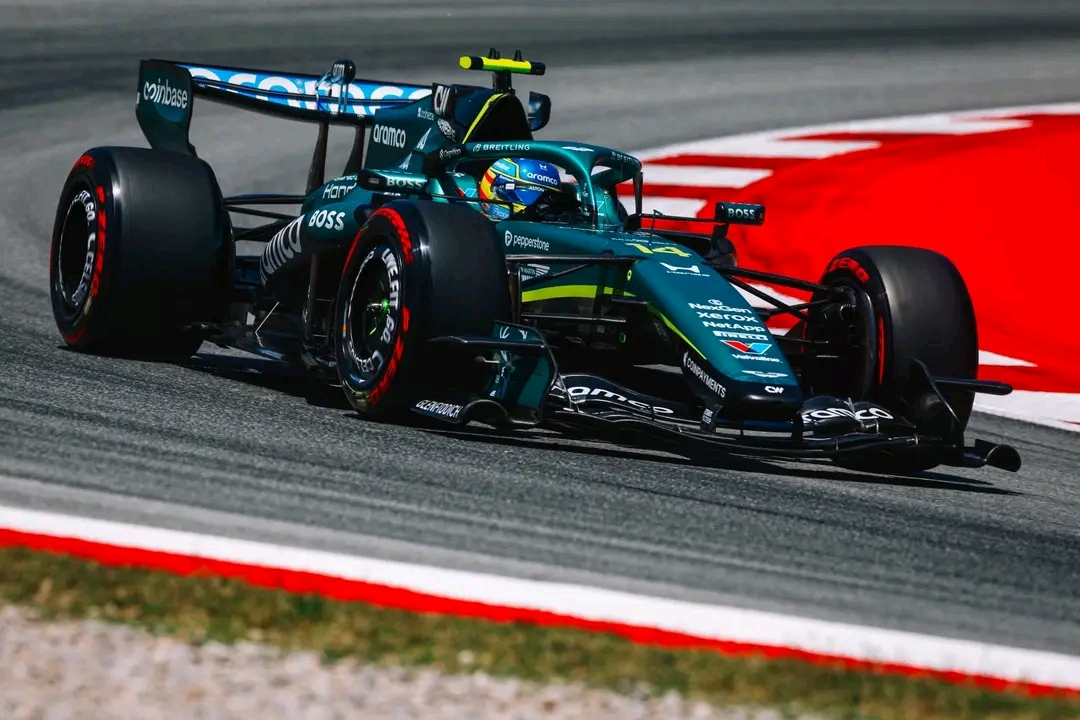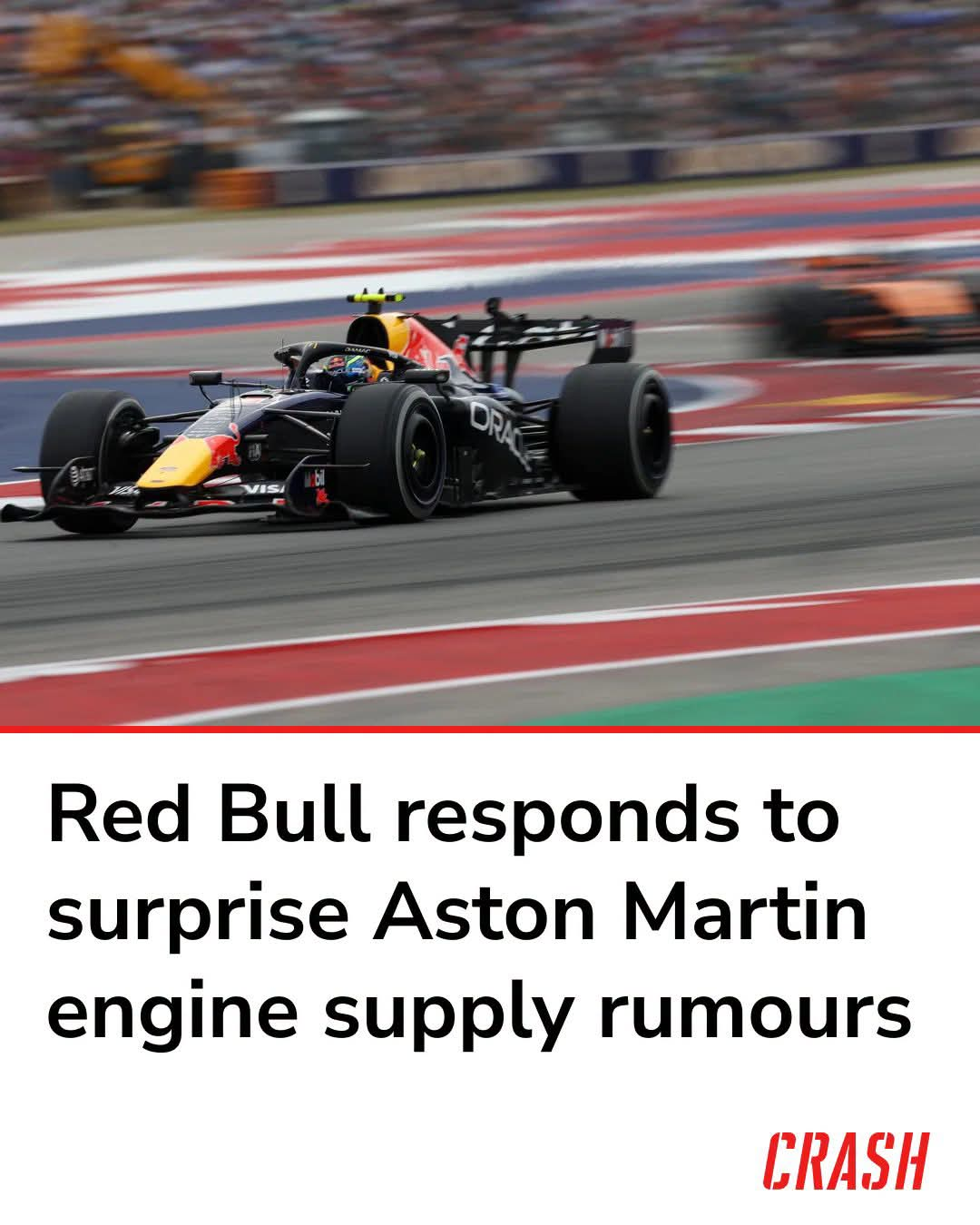
Red Bull has addressed speculation linking Aston Martin with a potential switch to its new Formula 1 power unit, making it clear that expanding its engine supply programme is not an immediate priority. Despite growing interest in the performance of its first in-house powertrain, Red Bull Racing team principal Laurent Mekies insists the organisation still has significant work to complete before considering additional customers.
The development comes during a major new chapter for Red Bull, which entered the 2026 season with its own power unit developed through its Red Bull Powertrains operation in collaboration with Ford. The project marked a significant departure from the team’s previous reliance on external manufacturers, including Renault and Honda.
Early performances have reportedly attracted attention from rival teams, with Aston Martin among those linked to a possible future arrangement. However, Mekies has made it clear that any expansion beyond Red Bull and its sister team, Racing Bulls, remains a longer-term possibility rather than an imminent plan.
RED BULL PLAYS DOWN ASTON MARTIN ENGINE SWITCH SPECULATION
Aston Martin’s reported interest comes amid questions about its current power unit partnership with Honda. After a difficult first season under the 2026 regulations, speculation has emerged about whether the Silverstone-based team could explore alternative engine options in the years ahead.
Red Bull’s new power unit has attracted attention following encouraging results during its debut campaign. Max Verstappen’s victories have helped demonstrate that the project has the potential to compete at the highest level, although continued development will be essential as rival manufacturers refine their own packages.
Despite the rumours, Mekies denied that Red Bull was engaged in serious discussions to supply another team.
He explained that the attention surrounding the engine’s performance had generated interest from several organisations, but Red Bull did not yet consider itself ready to take on another customer.
That distinction is important. Interest in a power unit does not necessarily mean negotiations are underway, and no confirmed agreement has been announced between Red Bull and Aston Martin.
LAURENT MEKIES EXPLAINS WHY RED BULL IS NOT READY TO EXPAND
Mekies made it clear that Red Bull’s immediate priority is improving the power unit rather than increasing production for additional teams.
The team still needs to refine the engine’s performance, improve its integration into the car and close any remaining gaps to its leading competitors. Supplying another constructor would introduce additional technical and operational demands while the manufacturer continues developing a relatively new project.
Mekies also rejected the idea that the current position should be treated as a permanent decision for the next five years. Although Red Bull is not ready to expand now, he acknowledged that circumstances could change as the programme matures.
For the next year or so, however, the position is clear: Red Bull does not expect to supply an additional team beyond its existing arrangement with Racing Bulls.
That approach could help the organisation concentrate its resources on reliability, performance and the close relationship between the power unit and the chassis.
WHY RED BULL’S FORD PARTNERSHIP MATTERS
Red Bull’s collaboration with Ford represents one of the most ambitious technical projects in the team’s history. Instead of relying on a traditional external engine supplier, the organisation has taken responsibility for developing its own power unit while drawing on Ford’s involvement.
The transition carried considerable risk because building a competitive Formula 1 engine requires expertise in combustion, energy recovery, battery systems, software, reliability and packaging. A power unit must also work seamlessly with the chassis to deliver its full potential on track.
Success in the opening season would therefore represent more than a competitive achievement. It would strengthen Red Bull’s long-term independence and give the team greater control over how its engine technology develops alongside its cars.
However, early victories do not automatically establish that the power unit is ready for wider distribution. Red Bull must demonstrate that it can sustain its performance across different circuits, conditions and development cycles before taking on the additional demands of customer supply.
COULD ASTON MARTIN STILL BECOME A RED BULL ENGINE CUSTOMER?
Although the immediate prospect has been played down, Mekies has not ruled out future expansion. That leaves open the possibility that Red Bull could reconsider supplying another team once its power unit has become more established.
For Aston Martin, such a move would involve far more than choosing an engine that has delivered promising results. Any future arrangement would depend on commercial agreements, technical compatibility, the availability of a suitable power unit and the strategic direction of both organisations.
A switch would also require careful planning because engine partnerships influence chassis design, cooling systems, packaging and a team’s broader development programme. A change of supplier cannot simply be made without considering its impact across the car.
For now, Aston Martin’s reported interest remains speculation, and Red Bull has not confirmed any negotiations or agreement. The possibility may remain relevant over the longer term, but the current focus is on the development of the existing Red Bull-Ford project.
RED BULL’S NEXT CHALLENGE IS PROVING ITS ENGINE CAN STAY COMPETITIVE
The initial success of Red Bull’s power unit has given the project a promising start, but maintaining that momentum will be the real test. Formula 1’s technical competition is relentless, and rival manufacturers will continue introducing improvements as they learn more about the 2026 regulations.
Red Bull must ensure that its engine can deliver consistent performance while improving reliability and efficiency. Only when those objectives are being met can the organisation seriously assess whether supplying another team would be practical.
Mekies’ comments suggest that Red Bull is thinking beyond the current season without rushing into a decision that could stretch its resources. The team wants to establish its own power unit as a competitive foundation before considering a larger customer programme.
For Aston Martin, the door may not be permanently closed, but it is certainly not opening yet. Red Bull’s message is straightforward: the engine project must mature first, and any expansion will depend on how successfully the organisation develops its technology over the coming seasons.