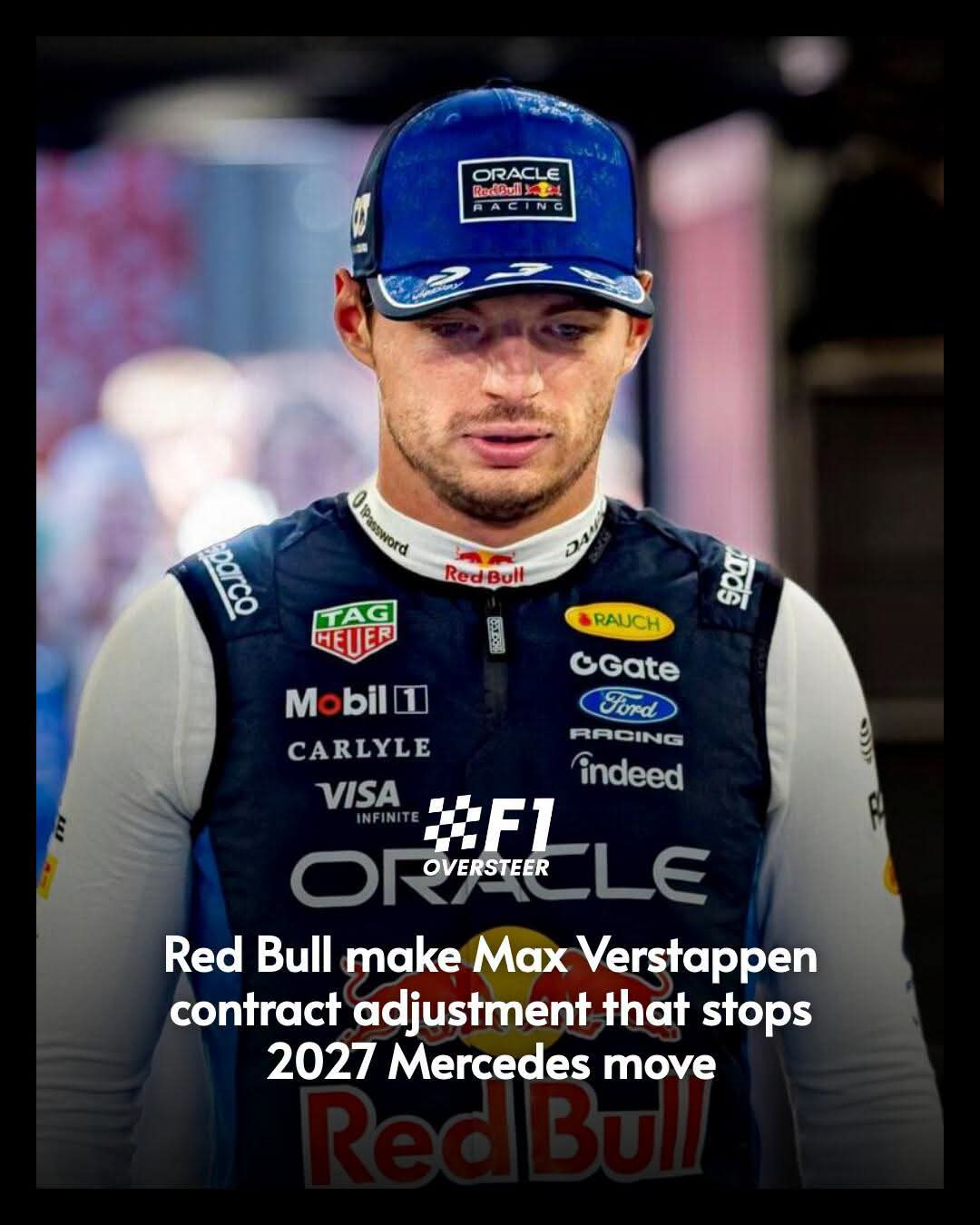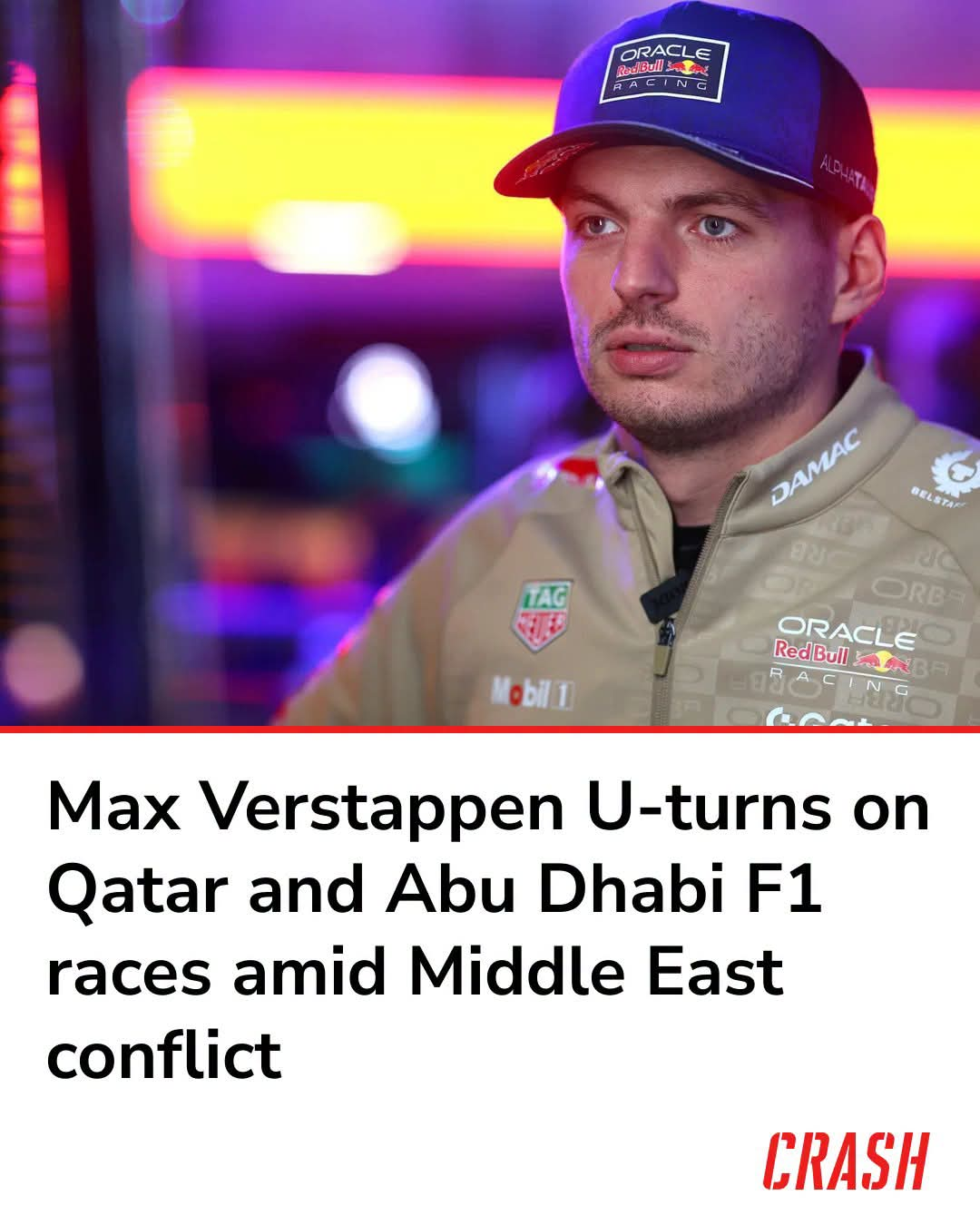
Max Verstappen has shifted his position on Formula 1 finishing the 2026 season in the Middle East. The four-time world champion, who previously argued the championship should avoid the region amid ongoing conflict, now says he trusts F1 and the FIA to get the decision right.
Speaking ahead of the Las Vegas Grand Prix, Verstappen made clear he is no longer pushing against the planned races in Qatar and Abu Dhabi. “I trust F1 and FIA to make the right call on that, right? I don’t have all the intel. I’m not an officer. I just hope that they make the right call on that. And that’s all that you can rely on, really. They also send over their findings and understanding. So I trust them.”
The comments mark a notable change from September, when he told Viaplay he was normally happy to race in Qatar and Abu Dhabi but believed the sport should not go if war continued nearby. At the time he stressed contracts should not override safety concerns, while acknowledging the final call sat above the drivers.
WHY VERSTAPPEN’S CHANGE OF TONE MATTERS RIGHT NOW
Formula 1 confirmed last week that it has stood down contingency preparations at Imola. The calendar is now locked on Qatar (27-29 November) and Abu Dhabi (4-6 December) unless the security situation deteriorates further. Earlier in the season the sport already cancelled the Saudi Arabian Grand Prix and relocated Bahrain to Sepang in Malaysia because of regional tensions.
Verstappen’s public backing removes one of the more high-profile sources of uncertainty. As the championship leader in experience and one of the sport’s most influential voices, his previous scepticism carried weight with fans, media, and possibly other drivers. By placing trust in the governing bodies’ intelligence and risk assessments, he has helped close the debate in the paddock at a critical moment.
THE BROADER CONTEXT OF A DISRUPTED SEASON
The 2026 campaign has already been shaped by geopolitics. The early-season disruptions forced teams to adapt logistics, testing programmes and championship mathematics. Holding the final two races as scheduled preserves the intended 23-race structure (minus the lost Saudi round) and maintains commercial commitments in a region that has become central to F1’s global expansion.
Yet the risks remain real. Recent incidents, including reported drone activity and continued regional instability, mean F1 has publicly reserved the right to cancel if conditions worsen. MotoGP’s recent experience in Qatar, where Yamaha withdrew while the event still went ahead, shows how different organisations and manufacturers can reach different conclusions on the same security picture.
IMPACT ON DRIVERS, TEAMS AND THE CHAMPIONSHIP BATTLE
For the drivers, the decision ends months of calendar limbo. Uncertainty over the finale location affects everything from family travel plans to physical preparation and mental focus. A late switch to a colder European venue like Imola would have introduced different tyre behaviour, weather variables and recovery demands after a long season.
Teams benefit from clarity on freight, hospitality and operational costs. The Middle East races are high-value events with strong promoter support and global visibility. Cancelling them would have created significant financial and logistical fallout. For the championship itself, a conventional finale in Abu Dhabi keeps the traditional Yas Marina night race as the stage for any title drama, rather than an emergency European replacement that would have felt like a compromise.
Verstappen’s comments also reduce the chance of any individual driver or team taking a public stance against participation. While no one has threatened a boycott, the earlier comments from the Dutchman had opened the door to speculation. His current position aligns with the sport’s leadership and makes collective solidarity more straightforward.
WHAT THIS SAYS ABOUT DECISION-MAKING IN MODERN F1
Verstappen’s evolution from “we shouldn’t go” to “I trust them” highlights a recurring tension in elite sport. Drivers experience the human and practical realities of travel and risk, yet they lack the full intelligence picture available to organisers, governments and security consultants. By explicitly deferring to those with better information, he has modelled a pragmatic approach that prioritises institutional responsibility over personal preference.
It also underscores how F1’s commercial and geopolitical footprint has grown more complex. The sport’s deep ties to the Gulf region deliver revenue, infrastructure investment and new audiences, but they also expose the championship to external shocks. The ability to maintain the calendar while keeping a credible contingency option, then deciding with only weeks to spare, shows both the strength and the strain of that model.
LOOKING AHEAD TO QATAR, ABU DHABI AND BEYOND
Assuming the races proceed, the focus will quickly shift back to on-track action. Qatar’s high-speed layout and Abu Dhabi’s mix of street and permanent sections usually produce decisive results. For Verstappen and Red Bull, the final double-header offers another chance to close out a competitive season strongly. For the rest of the field, it remains the last opportunity to settle constructors’ positions, individual milestones and contractual leverage heading into the winter.
The bigger question is whether this episode changes how F1 approaches future calendar risks. The sport has shown it can adapt—cancelling, relocating and contingency-planning within the same year. Yet repeated disruptions risk eroding the predictability that teams, sponsors and broadcasters rely on. Verstappen’s willingness to trust the process may ease short-term pressure, but it does not remove the underlying vulnerability.
In the end, the four-time champion has done what experienced leaders often do: acknowledge the limits of personal knowledge and back the institutions charged with protecting the entire paddock. Whether that trust proves well-placed will be tested in the coming weeks. For now, Formula 1 heads into its final stretch with clearer skies than many expected just a month ago—and with one of its biggest stars publicly on board.