The 2026 Monaco Grand Prix has once again shown how Formula 1 is no longer just a sporting event but also a global entertainment stage where celebrity appearances, social media narratives, and racing performance collide.
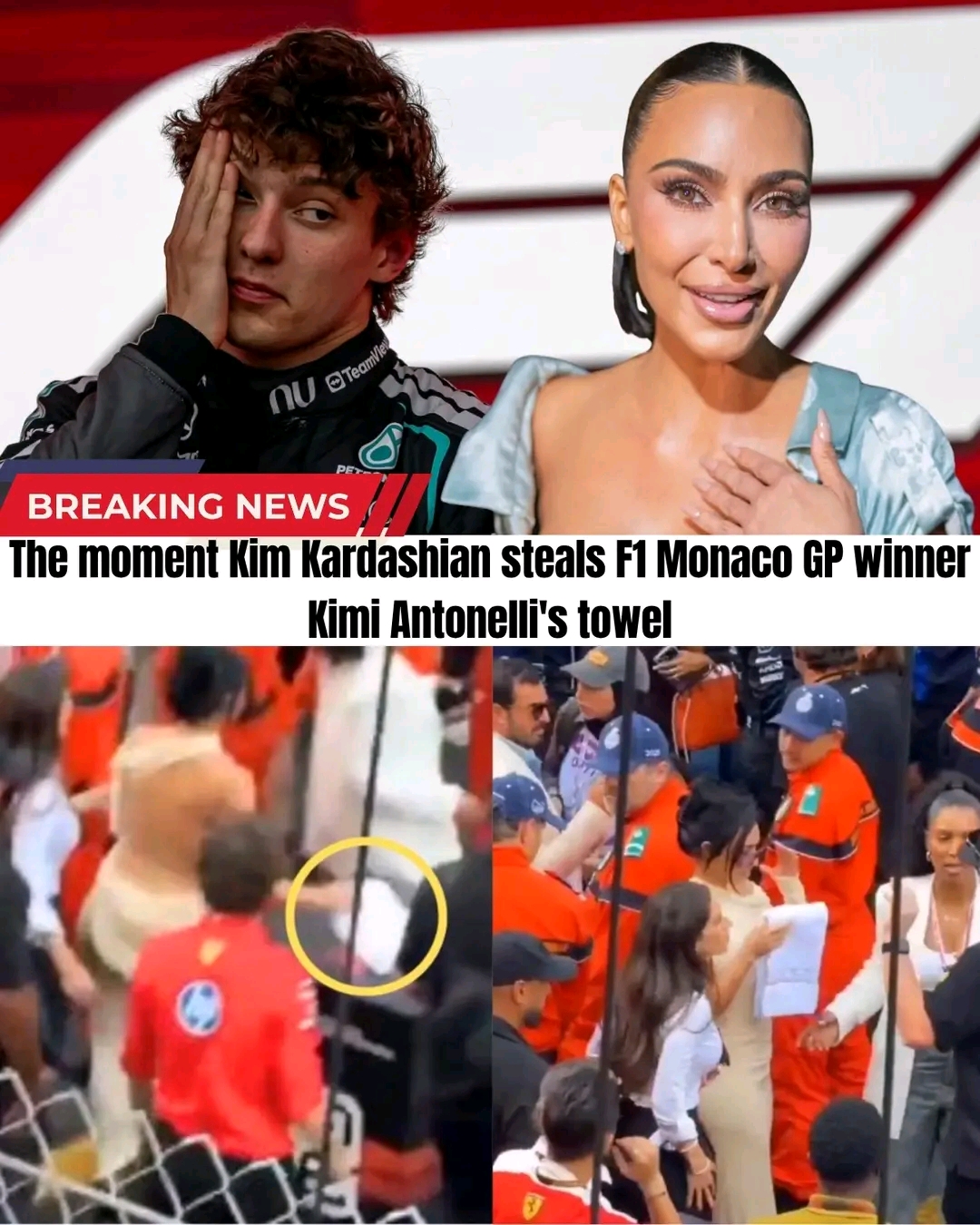
Following Lewis Hamilton’s strong performance over the weekend, online discussions shifted rapidly after unverified claims circulated involving Kim Kardashian’s presence in the paddock. While the story spread widely across social platforms, there is no official confirmation from Formula 1, Mercedes, or any credible broadcast source supporting the allegations.
Instead, what has emerged is another example of how quickly modern F1 can become the center of viral speculation.
THE POWER OF SOCIAL MEDIA IN MODERN FORMULA 1
Formula 1 today operates in a completely different media environment compared to even a decade ago. Every paddock interaction, camera angle, or celebrity appearance can be instantly turned into global discourse.
In this case, short clips and online speculation fueled a wave of reactions suggesting inappropriate behavior during the post-race celebrations. However, as with many viral moments, context is often missing, and narratives can escalate faster than verified facts.
This raises an important issue for the sport: the line between entertainment content and accurate reporting is becoming increasingly blurred.
WHY MONACO IS ALWAYS THE EPICENTER OF OFF-TRACK DRAMA
Monaco is unique on the Formula 1 calendar. The combination of elite sport, luxury lifestyle, and celebrity attendance makes it the most media-intensive weekend of the year.
Drivers, teams, influencers, and celebrities all share the same tight space, meaning interactions are constantly recorded and analyzed. As a result, even minor or routine moments can be interpreted in multiple ways once they reach social media platforms.
This environment often turns speculation into trending stories within minutes, regardless of whether the underlying claims are accurate.
IMPACT ON DRIVERS AND TEAMS
For drivers like Lewis Hamilton and rising talents such as Kimi Antonelli, the focus is ideally meant to remain on performance, strategy, and championship positioning.
However, off-track narratives can sometimes shift attention away from racing achievements. While top-level drivers are trained to handle media pressure, constant external noise can influence public perception of both athletes and teams.
Mercedes, in particular, has historically been careful about managing its public image, ensuring that racing performance remains the central storyline rather than celebrity associations or paddock gossip.
THE REALITY BEHIND THE “OUTRAGE” NARRATIVE
Despite viral claims of “fan outrage” and confrontation, no verified reports from official F1 broadcasters or accredited journalists have confirmed any serious incident involving Kim Kardashian at the Monaco GP.
This highlights a recurring trend in sports media: engagement-driven headlines often exaggerate or distort unclear moments to generate attention.
In reality, Formula 1 paddocks are highly controlled environments, and any serious incident involving a guest or celebrity would typically be documented and addressed by event officials.
WHY THIS STORY STILL MATTERS
Even without confirmed facts behind the viral claims, the situation is still important for Formula 1’s broader media ecosystem.
It demonstrates:
How quickly misinformation can spread in motorsport
The growing influence of celebrity presence in F1 events
The challenge teams face in controlling narratives off-track
The increasing overlap between sport, entertainment, and social media culture
For Formula 1, maintaining credibility while embracing global popularity is an ongoing balancing act.
PREDICTIONS GOING FORWARD
As Formula 1 continues to expand its global audience, similar situations are likely to become more common, especially at high-profile races like Monaco, Miami, and Las Vegas.
Expect tighter media controls, more structured paddock access rules, and increased efforts from teams to separate sporting performance from viral entertainment narratives.
For drivers, the key challenge will remain unchanged: staying focused on performance while navigating an increasingly loud digital environment.
FINAL THOUGHT
The 2026 Monaco Grand Prix will likely be remembered for its on-track intensity, but also for how quickly unverified social media narratives can shape global conversation around Formula 1.
In an era where attention spreads faster than facts, the sport faces a new kind of race, one that happens far beyond the circuit.