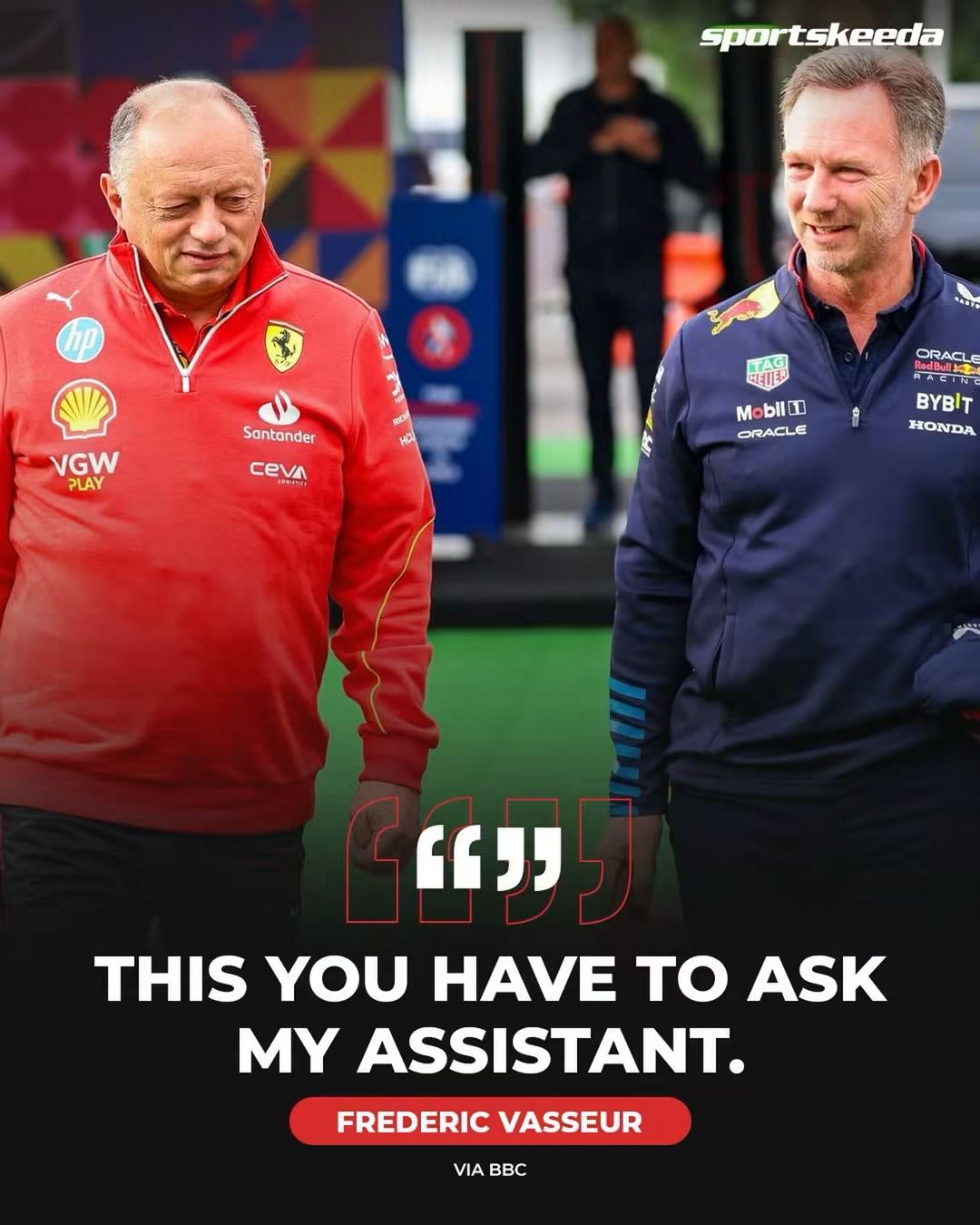
Ferrari team principal Fred Vasseur has never been one to mince words. After the Azerbaijan Grand Prix, the Frenchman delivered a pointed response that cut through the latest wave of paddock speculation linking former Red Bull boss Christian Horner to the Scuderia. When asked whether he would be comfortable working alongside Horner, Vasseur’s answer was as dry as it was revealing: “You have to ask my assistant.”
That single line has already been dissected across the Formula 1 media landscape. It was not a joke. Vasseur made clear he was being completely serious. The remark landed like a carefully aimed jab at the constant noise surrounding his position and the man many see as a potential successor.
WHAT TRIGGERED THE LATEST SPECULATION
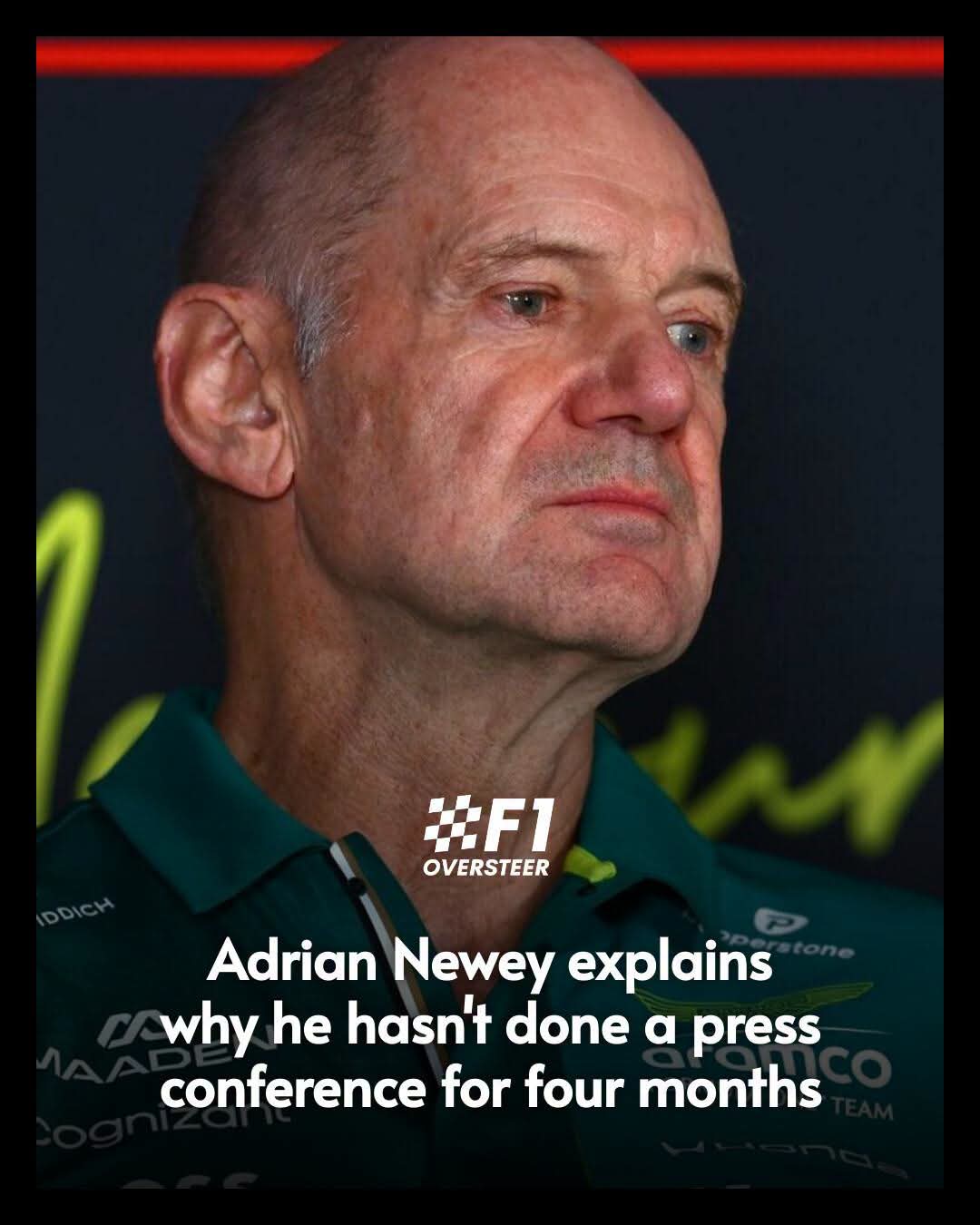
The catalyst was an interview Horner gave to promote his upcoming book. In it, the Briton stated that Ferrari was the only team he would consider joining without an ownership stake. He called it “the dream” and described the Scuderia as the “sleeping giant” of Formula 1. For a man who spent more than two decades building Red Bull into a dominant force before his departure in July 2025, those words carried weight.
Horner’s exit from Red Bull followed serious allegations of misconduct by a female employee. Since then he has remained on the outside looking in, repeatedly signalling interest in a return only under terms that give him equity. Ferrari, it seems, is the one exception he is willing to make.
Vasseur, speaking after Charles Leclerc finished fourth and Lewis Hamilton sixth in Baku, did not hide his irritation. “We are not working in the perfect serenity,” he said. “For me, first, but for everybody in the team, for the media, for 50 percent of the questions about this, it’s a bit of a frustrating situation.” He added that the team is fighting for second in the constructors’ championship, yet half the conversation keeps circling back to leadership rumours. Even the mechanics in the garage, he noted, end up discussing it.
“Mr Horner is looking for a job — that everybody knows — everywhere,” Vasseur continued. “But what can I do? Just try to do my best to push the team, to rise them to be motivated, focus on what is better today.” He estimated he is asked about the topic “25 times a day.”
WHY THIS MATTERS FOR FERRARI RIGHT NOW
Ferrari sits second in the standings but has managed only a handful of wins this season. The pressure on Maranello is constant. Italian media, tifosi, and the broader F1 ecosystem treat every underwhelming weekend as a potential crisis. Vasseur has already survived earlier rounds of speculation. In 2025 he received a multi-year contract extension and public backing from Ferrari chairman John Elkann. Yet the noise has never fully gone away.
The distraction is real. When a team principal spends significant energy managing external narratives instead of internal performance, focus inevitably suffers. Vasseur’s comments suggest the garage feels it too. In a sport where marginal gains decide championships, mental bandwidth spent on gossip is bandwidth not spent on the car.
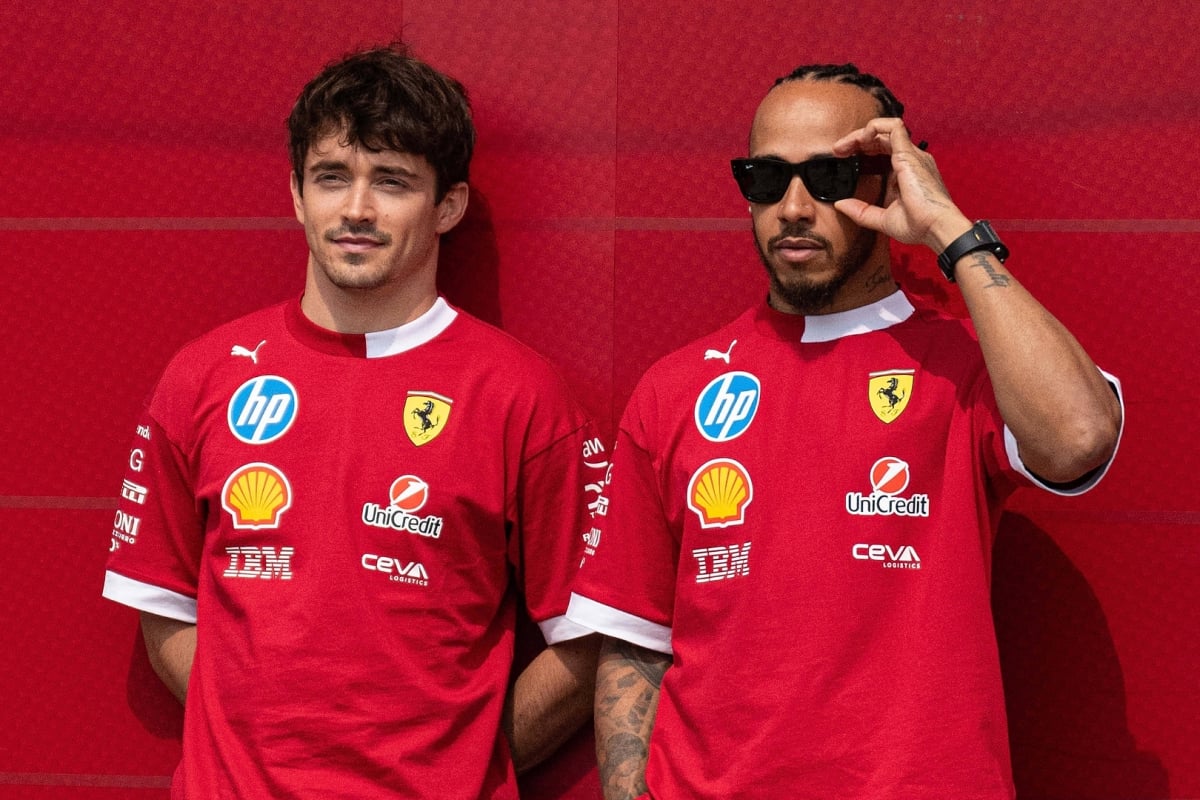
Lewis Hamilton’s one-word answer when asked if Ferrari remains on a good path under Vasseur — “Yes” — offered a quiet show of support. The seven-time champion’s endorsement carries weight, especially given the high expectations that came with his move to the Scuderia.
THE DEEPER TENSION BETWEEN TWO VERY DIFFERENT LEADERS
Vasseur and Horner represent contrasting styles. Vasseur is methodical, understated, and focused on long-term structure. He has prioritised stability, recruitment, and process since arriving at Ferrari in early 2023. Horner is the polar opposite: charismatic, political, and battle-hardened by years of title fights and internal power struggles.
A partnership between the two is difficult to imagine. Vasseur’s “ask my assistant” line effectively closed that door. It was a polite way of saying he has no interest in remaining if Horner arrives in a senior role. Some reports have gone further, suggesting it would be a major surprise if Vasseur is still in the top job by 2027. Whether that proves accurate remains to be seen, but the Frenchman’s public stance leaves little ambiguity about his personal red lines.
There is also the practical question of lifestyle. Ferrari traditionally expects its team principal to base himself near Maranello. Whether Horner would accept that constraint is unknown.
WHAT THIS MEANS FOR THE WIDER F1 LANDSCAPE
Leadership instability at Ferrari has ripple effects. Drivers, engineers, and sponsors all watch these stories closely. Charles Leclerc has spent his entire F1 career with the team and has publicly stressed the need for continuity. Hamilton’s presence raises the stakes further. Both drivers want a clear technical and organisational direction heading into the remaining races and the next regulatory cycle.
For the rest of the grid, Ferrari’s internal soap opera is useful theatre. McLaren and Red Bull benefit when the Italian team is distracted. The championship fight for second place becomes harder when half the media questions revolve around who might replace the current boss.
Horner’s public comments also highlight a broader trend. High-profile former team principals rarely stay silent for long. The combination of unfinished business, media platforms, and the unique prestige of Ferrari keeps the rumour mill turning. That dynamic is unlikely to change as long as Ferrari remains short of consistent race wins.
LOOKING AHEAD: CAN VASSEUR SILENCE THE NOISE?
Vasseur has seven races left in the 2026 season to shift the narrative. Strong results would quiet the speculation better than any press conference. He has already described the Ferrari job as “the best job in the world” and insisted he will “push until the last corner.” Those are the words of a man who intends to stay and deliver.
The coming months will test whether the Scuderia’s hierarchy shares that commitment. Elkann has backed Vasseur before. Another public show of support would help. So would a clear statement that leadership changes are not under consideration for 2027.
In Formula 1, perception often becomes reality. Right now the perception is that Ferrari’s future remains unsettled. Vasseur’s sharp response to the Horner question was an attempt to reclaim control of the story. Whether it succeeds depends less on clever one-liners and more on what the red cars do on track between now and the end of the year.
The Frenchman has drawn a line. The rest of the paddock is watching to see if Ferrari respects it.