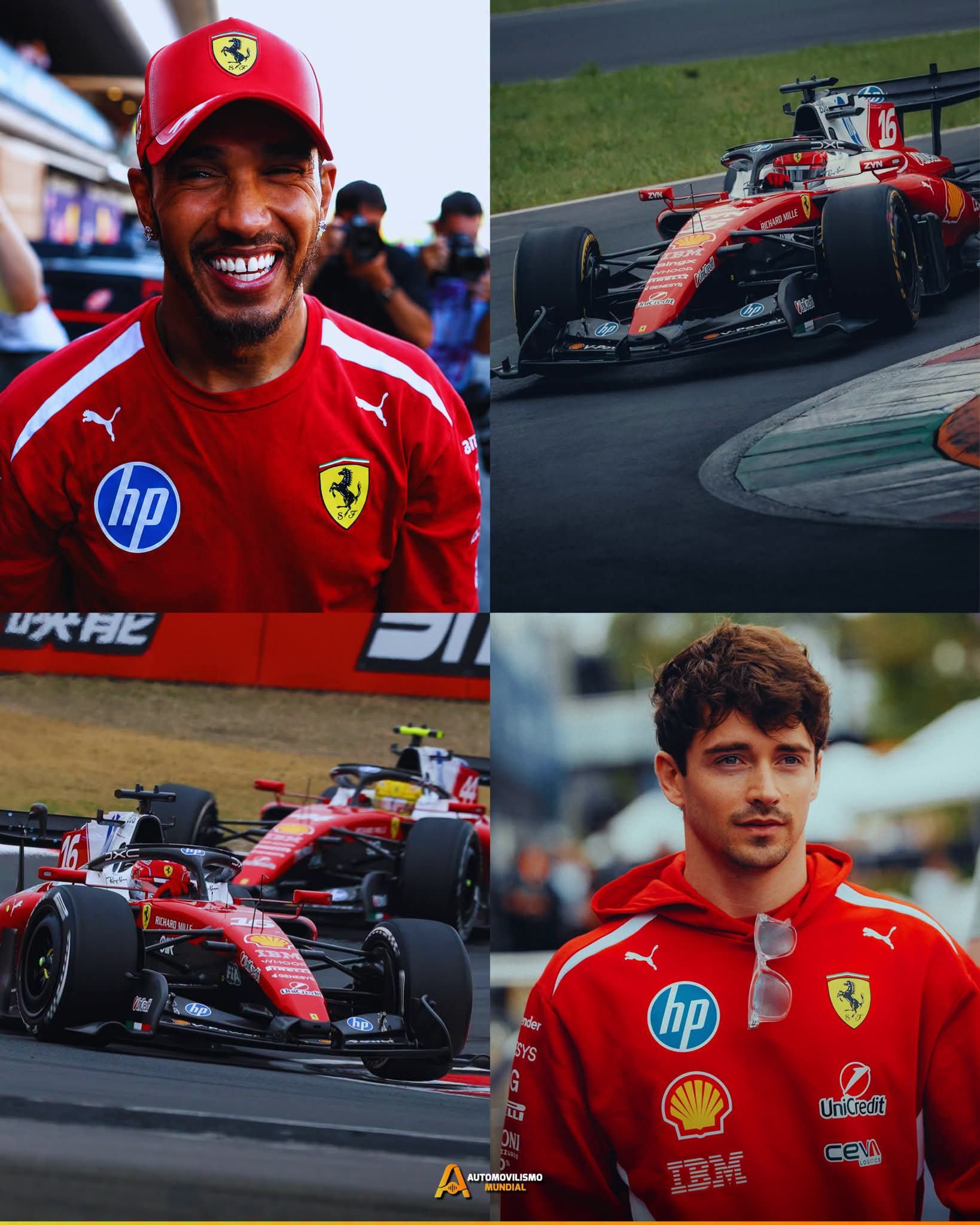
The Belgian Grand Prix may have crowned another impressive winner, but much of Formula 1’s post-race discussion has centered on one of the championship’s biggest controversies. Lewis Hamilton’s opening-lap collision with George Russell resulted in a five-second time penalty from the FIA, yet the official explanation has left many drivers, analysts, and fans questioning whether the punishment truly matched the circumstances of the incident.
While Hamilton ultimately recovered to finish fourth and move ahead of Russell in the Drivers’ Championship, the debate surrounding the FIA’s verdict has become one of the defining talking points from Spa-Francorchamps. The ruling has once again reignited long-standing discussions about consistency in stewarding and how racing incidents should be judged during the frantic opening laps of a Grand Prix.
HAMILTON’S PENALTY CHANGED MORE THAN JUST THE RACE RESULT
The incident occurred during one of Formula 1’s busiest sections of the opening lap.
Hamilton and Russell entered the Les Combes chicane side-by-side after battling through the Kemmel Straight. As both drivers fought for position, Hamilton’s Ferrari made contact with Russell’s Mercedes, sending the British driver spinning into the gravel and forcing an immediate retirement.
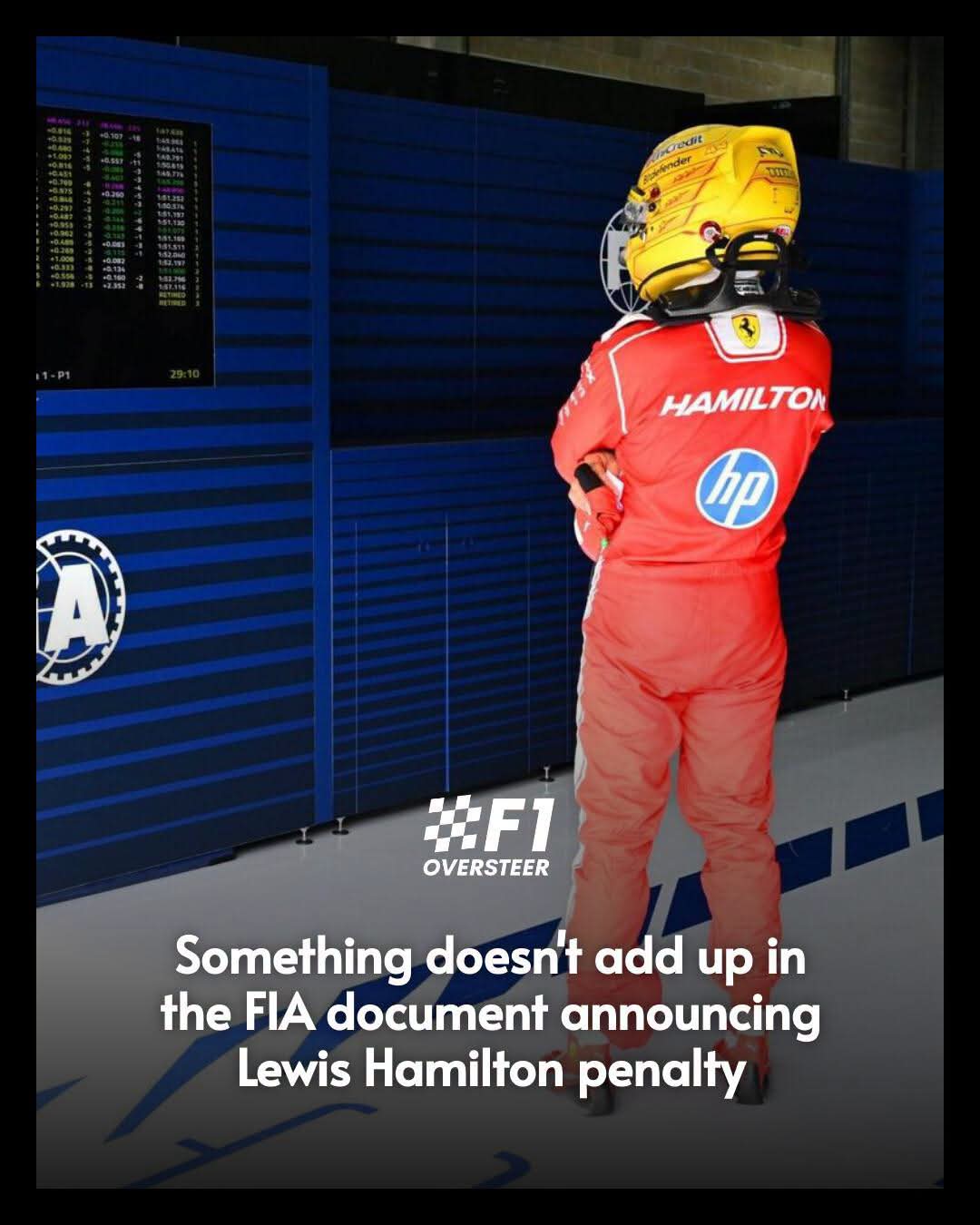
The FIA quickly reviewed the collision and issued Hamilton a five-second penalty for causing the incident.
Despite the sanction, Hamilton still managed to recover well enough to finish fourth, collecting valuable championship points that allowed him to leapfrog Russell into second place in the standings.
Updated Drivers’ Championship:
Andrea Kimi Antonelli – 204 points
Lewis Hamilton – 159 points
George Russell – 154 points
With Mercedes continuing to lead the Constructors’ Championship on 358 points ahead of Ferrari’s 285, every point is becoming increasingly significant as the season moves toward its decisive stages.
THE FIA’S EXPLANATION HAS CREATED NEW QUESTIONS
After the race, the FIA published its reasoning behind the penalty.
Officials concluded that Russell had established sufficient overlap entering the corner and therefore deserved racing room. According to the stewards, Hamilton failed to maintain enough separation after his Ferrari developed understeer.
However, the same document also acknowledged several important mitigating factors.
The FIA accepted that Hamilton:
Recognized Russell’s position.
Attempted to avoid contact.
Lost front-end grip rather than intentionally turning into his rival.
Was involved in an opening-lap situation where reduced grip and tightly packed racing are common.
Those circumstances reduced the penalty from the standard ten seconds to five seconds.
Ironically, the explanation itself has become the center of the controversy.
WHY MANY BELIEVE THE INCIDENT WAS A RACING INCIDENT
One reason the debate continues is because several key figures involved did not believe Hamilton deserved punishment at all.
George Russell himself described the clash as a racing incident shortly after climbing out of his damaged Mercedes.
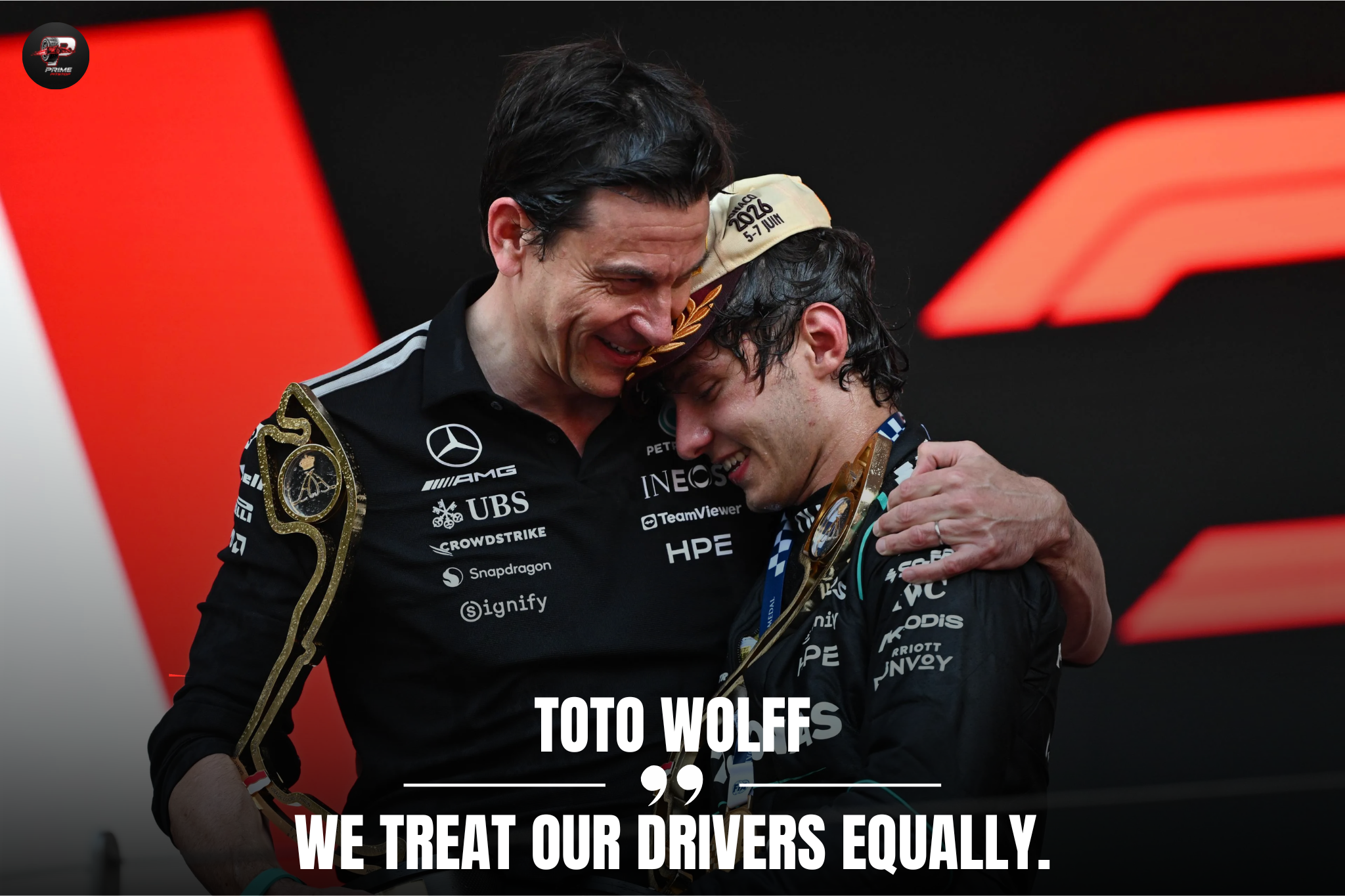
Mercedes team principal Toto Wolff also avoided placing direct blame on Hamilton, suggesting that first-lap incidents should often be viewed differently because of the unique conditions drivers face.
Former Formula 1 driver Martin Brundle reached a similar conclusion during Sky Sports’ live coverage, arguing that he would not have imposed a penalty based on what he observed.
That growing consensus has fueled criticism that the FIA’s written explanation appears to support both arguments simultaneously.
On one hand, the stewards acknowledged Hamilton made every reasonable effort to avoid contact.
On the other, they still declared him fully responsible.
CONSISTENCY REMAINS FORMULA 1’S BIGGEST CHALLENGE
The Belgian Grand Prix has once again highlighted one of Formula 1’s longest-running challenges: consistent stewarding.
Throughout recent seasons, fans have repeatedly questioned why seemingly similar incidents sometimes receive vastly different outcomes depending on context, consequence, or interpretation.
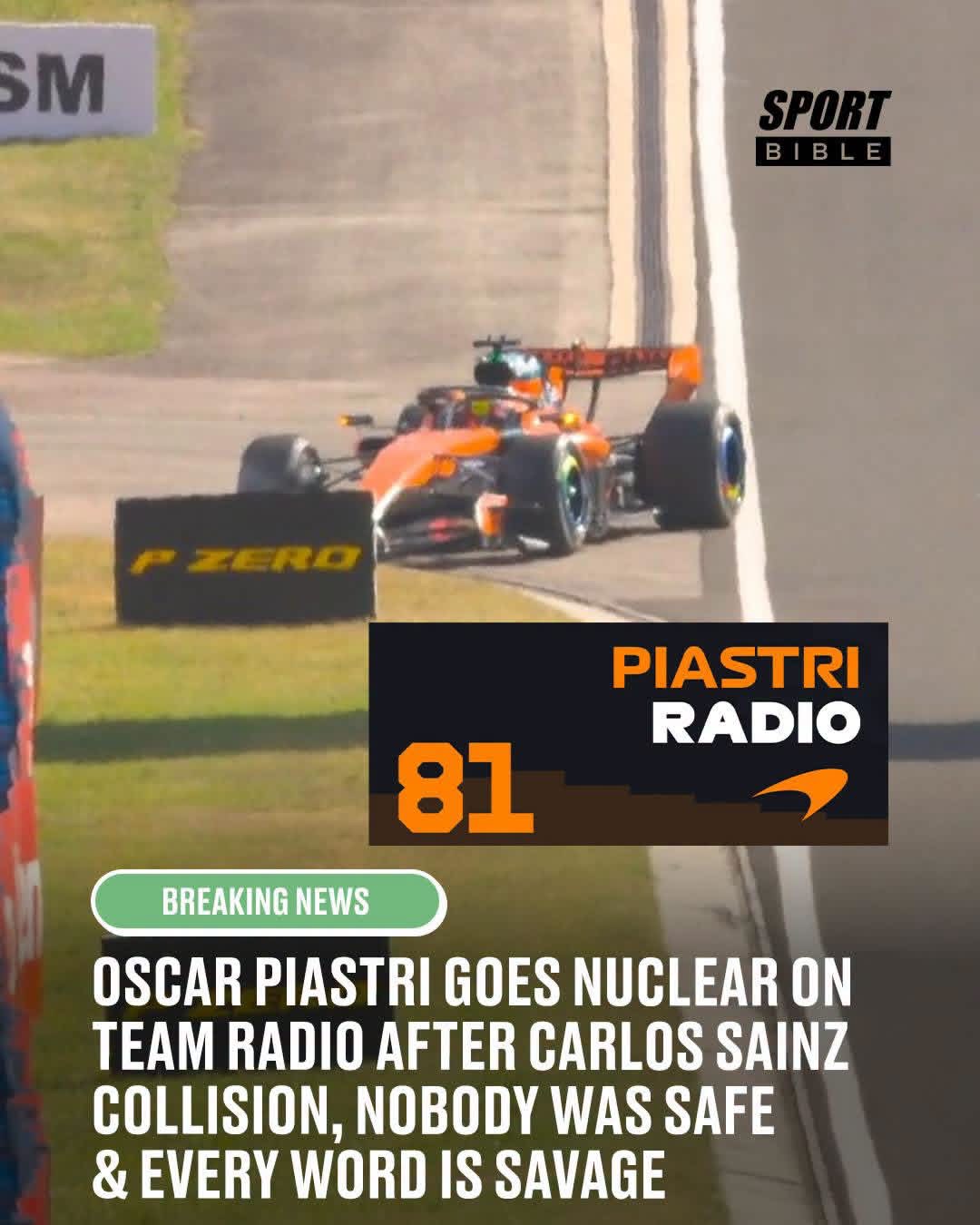
Many observers have pointed out that Charles Leclerc escaped punishment earlier in the race following contact with Oscar Piastri, while Hamilton received an immediate sanction despite both incidents occurring at the same corner.
Although the FIA explained that the positioning of the cars differed significantly, debates surrounding consistency continue to dominate conversations after almost every major race.
For teams fighting for world championships, those decisions can influence not only race results but also entire title campaigns.
HAMILTON’S RECOVERY COULD PROVE JUST AS IMPORTANT
Lost amid the controversy was Hamilton’s impressive drive after serving his penalty.
Recovering from an early setback, the Ferrari driver fought back through the field to secure fourth place, limiting the damage to his championship hopes while capitalizing on Russell’s retirement.
That resilience has become one of Hamilton’s defining qualities during his remarkable 2026 resurgence.
Since abandoning Ferrari’s simulator program earlier this season, Hamilton has consistently extracted stronger performances from the SF-26 and remains firmly within striking distance of championship leader Andrea Kimi Antonelli.
With Ferrari steadily closing the performance gap to Mercedes, every recovery drive becomes increasingly valuable.
THE CHAMPIONSHIP BATTLE IS ONLY GETTING HOTTER
The Hungarian Grand Prix now arrives with momentum firmly on Mercedes’ side but with Ferrari refusing to fade from contention.
Antonelli continues leading the championship through consistency, Hamilton has climbed into second place, and Russell faces immediate pressure to recover after losing crucial ground in Belgium.
As the calendar moves toward Hungary, Zandvoort, Monza, Singapore, and Las Vegas, the championship margins are becoming razor-thin.
If the Belgian Grand Prix proved anything, it is that a single first-lap incident—and the FIA’s interpretation of it—can reshape the title fight just as dramatically as outright pace.
With every championship point now carrying enormous significance, the scrutiny surrounding Formula 1’s stewarding decisions is unlikely to disappear anytime soon.