The controversy surrounding the 2026 Monaco Grand Prix is far from over. In a significant development, the FIA has ruled that Alpine’s petition for a right to review Pierre Gasly’s pit-lane speeding penalty is admissible, opening the door for a potential revision of the race result.
The decision marks a major victory for Alpine’s legal and technical team, who have been pushing for a fresh examination of the penalty that cost Gasly a podium finish in Monte Carlo. With new evidence now on the table, Formula 1 could be facing one of its most dramatic post-race reviews of the season.
WHY ALPINE CHALLENGED THE PENALTY
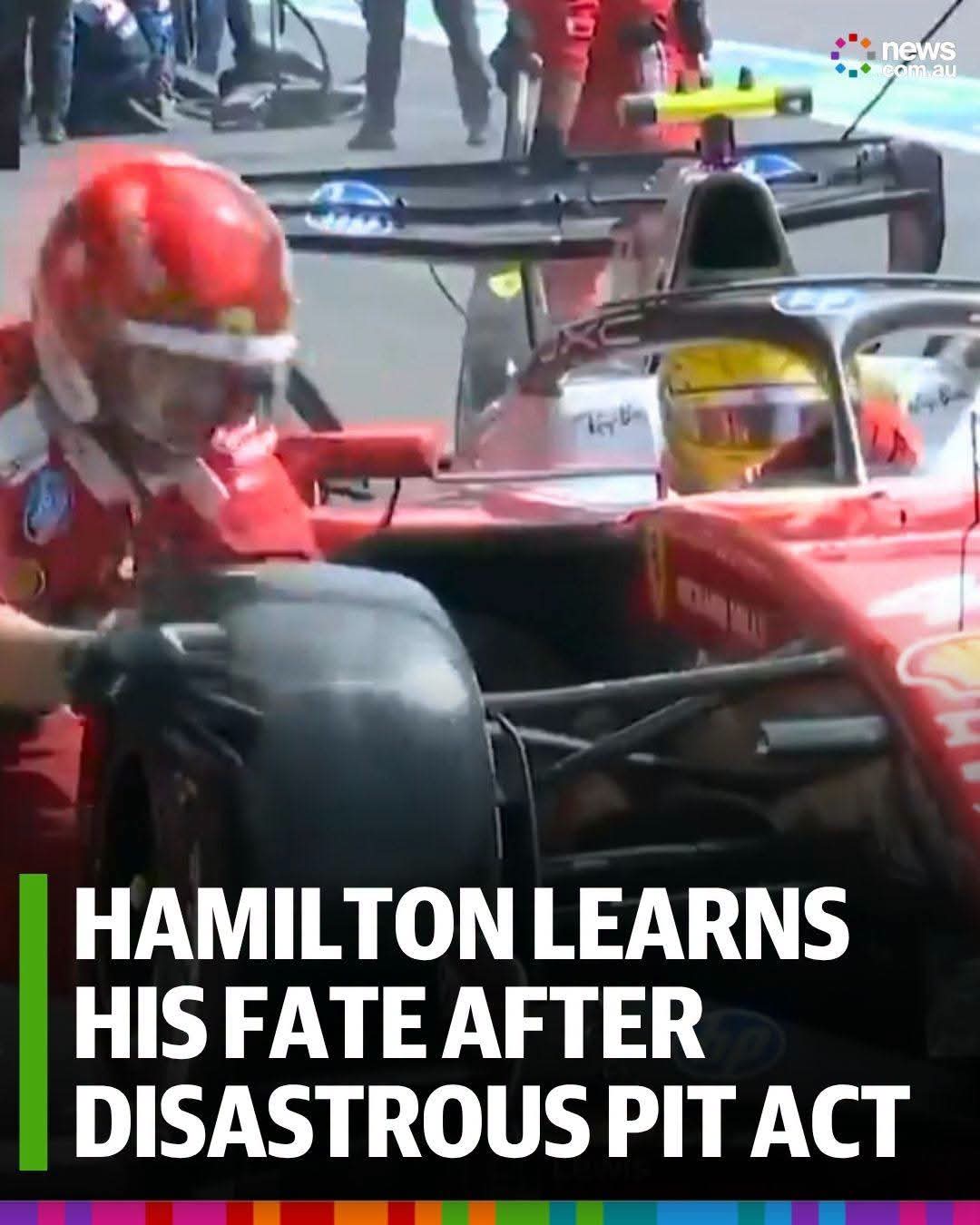
Gasly crossed the line in a strong position during the Monaco Grand Prix but was later hit with penalties for exceeding the pit-lane speed limit. Those sanctions ultimately dropped the French driver down the order and denied Alpine a result that could have transformed their championship campaign.
According to Alpine, fresh analysis suggests that the pit-lane speed calculation may have been based on inaccurate distance measurements used by the live timing system. The team argues that if the underlying distance data was incorrect, the resulting speed calculation may also have been flawed.
That claim was considered substantial enough for the FIA to accept the request for further examination rather than dismiss it immediately.
WHAT HAPPENS NEXT IN THE FIA REVIEW PROCESS?
An admissible petition does not automatically mean Gasly’s penalty will be overturned. It simply means the FIA believes the team has presented evidence that warrants a closer look.
The next phase involves FIA officials and stewards examining the newly submitted information to determine whether the original ruling should stand. The review will likely focus on how the speed was measured, the accuracy of the timing data, and whether the alleged discrepancy could have materially affected the outcome of the investigation.
If the stewards conclude that the evidence significantly alters the original findings, the penalties could be modified or even removed entirely.
A PODIUM FINISH COULD BE BACK ON THE TABLE
The implications of the review extend well beyond Alpine.
Should Gasly’s penalties be overturned, the Monaco Grand Prix classification could change, potentially restoring positions that were lost after the race. That would not only impact Gasly’s personal points tally but could also alter the championship standings for teams and drivers involved in the final top positions.
In a season where the midfield battle is becoming increasingly intense, even a handful of points can dramatically influence constructor rankings, sponsorship exposure, and prize money distribution.
For Alpine, recovering a podium-level result would represent one of the biggest boosts of their season.
THE PIT-LANE SPEEDING DEBATE CONTINUES
The Gasly case has also reignited debate about how pit-lane speed violations are measured in modern Formula 1.
Monaco’s pit lane is one of the most unusual on the calendar, featuring unique geometry and extremely tight margins. Several drivers were penalized during the weekend for marginal infractions, leading some teams to privately question whether current measurement methods are always precise enough in such conditions.
Formula 1 relies heavily on timing sectors, distance calculations, and electronic monitoring systems. While these systems are generally regarded as highly accurate, the Gasly review highlights that teams are increasingly willing to challenge decisions when they believe technical data may not tell the full story.
WHY THIS CASE COULD SET AN IMPORTANT PRECEDENT
The FIA’s willingness to review the evidence sends a clear message that teams can still challenge race outcomes if they can provide genuinely new and relevant information.
If Alpine succeeds, other teams may be encouraged to pursue similar reviews in future disputes involving timing systems, technical measurements, or penalty calculations. Conversely, if the FIA reaffirms the original ruling after reviewing the data, it will strengthen confidence in the existing monitoring procedures.
Either way, the outcome will likely influence how future penalties are assessed and challenged.
WHAT THIS MEANS FOR ALPINE AND GASLY
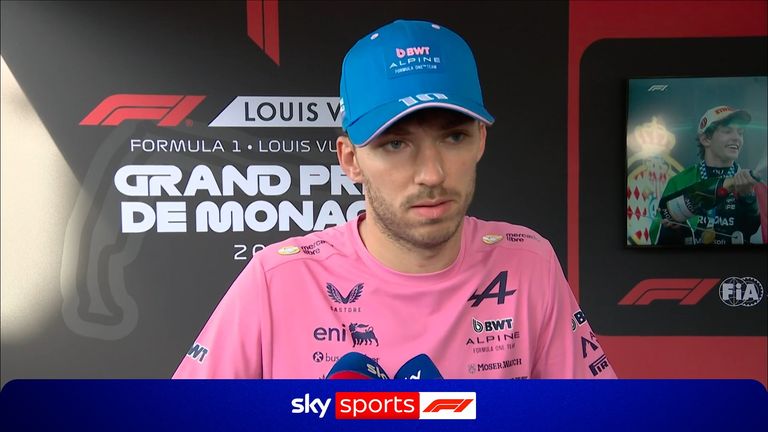
For Gasly, the review offers a rare second chance to recover what appeared to be a lost result. The Frenchman was visibly frustrated after Monaco and maintained that the circumstances deserved further investigation.
For Alpine, the stakes are even higher. The team has endured an inconsistent campaign and every major result matters in their effort to climb the constructors’ standings. A successful appeal could provide not only valuable points but also momentum heading into the next phase of the season.
The FIA has now opened the door. Whether Alpine can walk through it and rewrite the Monaco Grand Prix result remains one of the most intriguing storylines heading into the Spanish Grand Prix weekend.