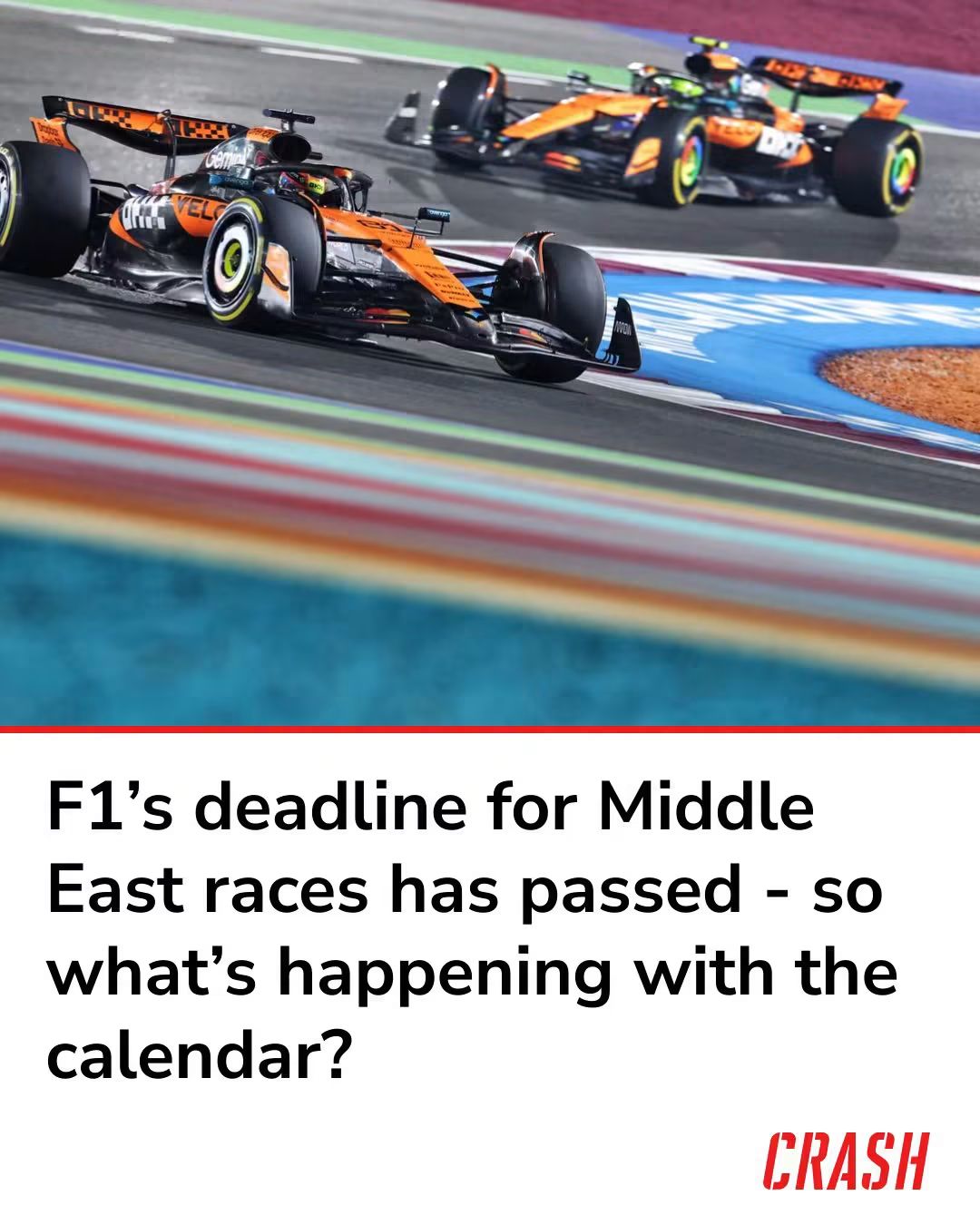
Formula 1’s mid-October deadline for a definitive decision on the Qatar and Abu Dhabi Grands Prix has come and gone with no formal announcement. Yet the sport remains committed to finishing the 2026 season in the Middle East as originally scheduled, according to multiple sources close to the championship.
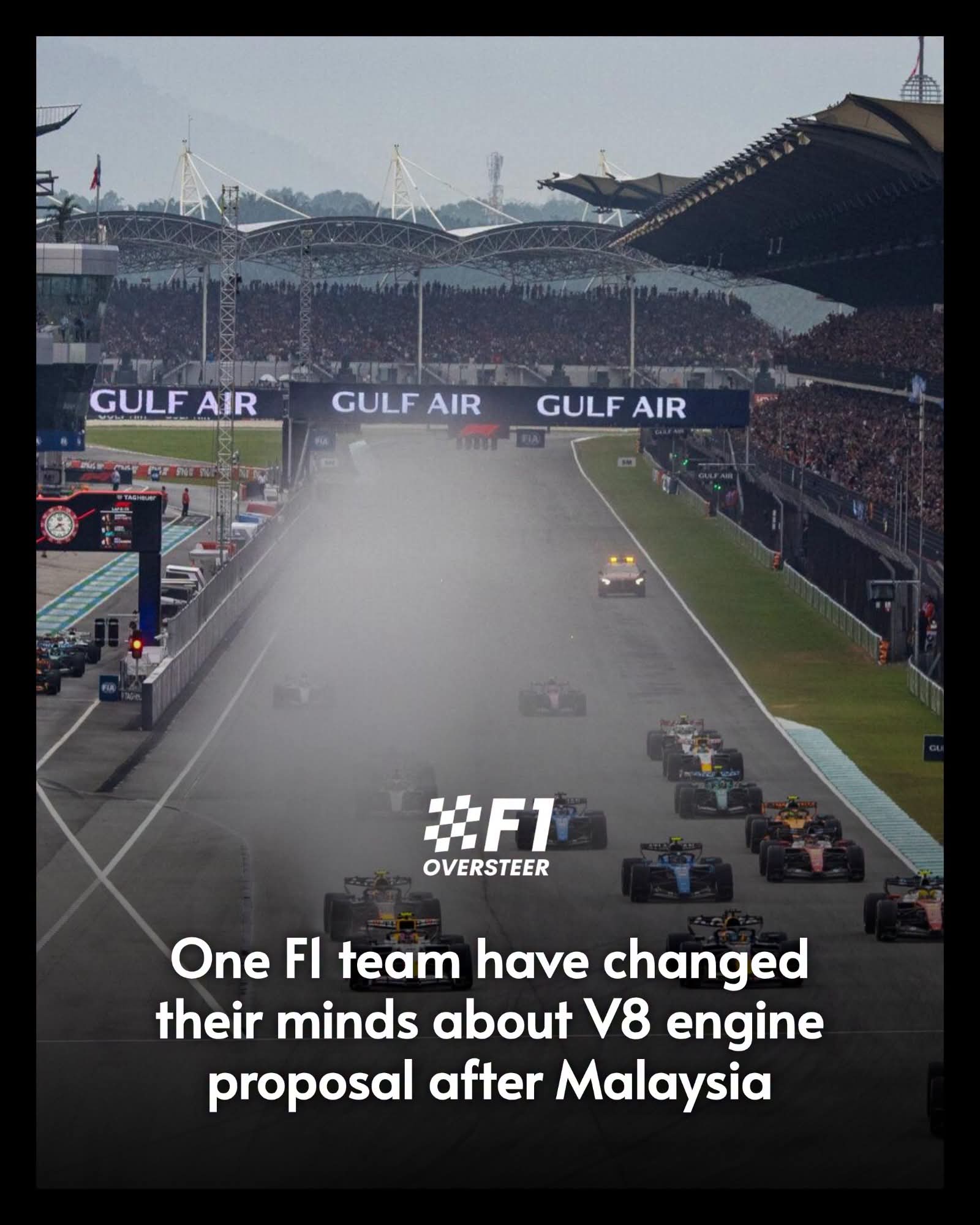
The Qatar Grand Prix is still listed for the weekend of 27-29 November at Lusail International Circuit, followed a week later by the Abu Dhabi season finale at Yas Marina on 4-6 December. These two races form the planned climax of a disrupted campaign that has already seen the Saudi Arabian Grand Prix cancelled and the Bahrain Grand Prix relocated to Sepang in Malaysia earlier this year.
WHY THE UNCERTAINTY LINGERS OVER THE MIDDLE EAST RACES
The ongoing regional conflict, which escalated in February, has cast a long shadow over the Gulf races. Safety concerns, potential airspace disruptions, and logistical challenges around freight and personnel travel have forced F1 into prolonged contingency planning. Teams were told at the end of September that mid-October represented the last practical window for a final call, allowing enough time to adjust freight and operations if needed.
Audi team principal Mattia Binotto highlighted the timeline during the Azerbaijan Grand Prix weekend, noting that mid-October was the cut-off discussed at the F1 Commission. Haas boss Ayao Komatsu echoed that Stefano Domenicali aimed to provide clarity around that period. With the calendar now deep into mid-October and no public change announced, the default position holds: the races remain on unless circumstances force a reversal.
Sources indicate F1 has maintained regular contact with authorities in Qatar and the United Arab Emirates. UK government travel advice currently permits travel to both destinations, though it advises preparedness for possible flight cancellations, airspace closures, or disruptions. Local promoters have continued preparations, and ticket sales for Abu Dhabi were reported as nearly sold out earlier in the month, generating significant local excitement.
IMOLA STANDS READY AS THE BACKUP OPTION
Should the situation deteriorate, Imola remains the clear contingency for a European season finale. The Italian circuit, dropped from the 2026 calendar after previous years of hosting the Emilia Romagna Grand Prix, has been preparing infrastructure including grandstands. A single race at Imola on or around 6 December would allow F1 to meet commercial obligations for a full season while avoiding the more complex logistics of two Gulf events.
Switching would not be seamless. Teams face challenges around European motorhomes, staffing (many personnel shift to winter roles), and overall organisation. Temperature concerns for a December race at Imola appear overstated compared to other late-season venues, but the operational lift remains significant. For now, that plan stays in reserve.
WHAT THIS MEANS FOR TEAMS, DRIVERS, AND THE CHAMPIONSHIP BATTLE
The prolonged uncertainty creates real operational friction. Freight deadlines have already been complicated by regional shipping issues, pushing more reliance on air transport. Teams must balance full preparation for Lusail and Yas Marina against the possibility of a last-minute pivot. Drivers and personnel also weigh personal safety considerations, even as official reassurances continue.
On track, the stakes are high. With the championship still live and Kimi Antonelli in a strong position at the top of the standings, the location and conditions of the final races could influence strategy, tyre wear, and race dynamics. A night race under the lights in Abu Dhabi offers a very different challenge from a cooler European finale at Imola. Broadcasters, sponsors, and hospitality partners have planned around the Gulf double-header; any change would ripple through commercial arrangements.
For the host nations, confirmation would deliver prestige, tourism, and economic benefits after a difficult year. Cancellation would represent another setback for regional motorsport ambitions already hit by the earlier lost rounds.
BROADER INDUSTRY IMPACT AND LOOKING AHEAD
This episode underscores how geopolitical instability can reshape even the most meticulously planned global sports calendars. F1 has shown flexibility this season by relocating Bahrain to Malaysia rather than simply cancelling it, preserving race count and commercial value. That pragmatic approach continues with the current holding pattern on Qatar and Abu Dhabi.
An early indicator may come from MotoGP, scheduled to race in Qatar on 8 November—three weeks before F1’s planned visit. A successful MotoGP event would provide additional confidence; any issues could accelerate F1’s decision-making.
As things stand on 15 October, the official line remains consistent with Domenicali’s earlier statements: the calendar is confirmed for Qatar and Abu Dhabi based on the information and reassurances available, and that strategy will hold unless something changes. No announcement is expected unless the picture shifts.
The next few weeks will be watched closely by teams, fans, and stakeholders. For a sport built on precision and planning, the end of the 2026 season is still being written in real time. Whether the lights go out under the Gulf skies or in the hills of Emilia-Romagna, the championship will deliver a dramatic conclusion—one way or another.