Lewis Hamilton’s breakthrough Ferrari victory at the 2026 Spanish Grand Prix has already become one of the defining moments of the season. After months of pressure, adaptation, and relentless scrutiny, the seven-time world champion finally delivered Ferrari’s most significant result of the year.
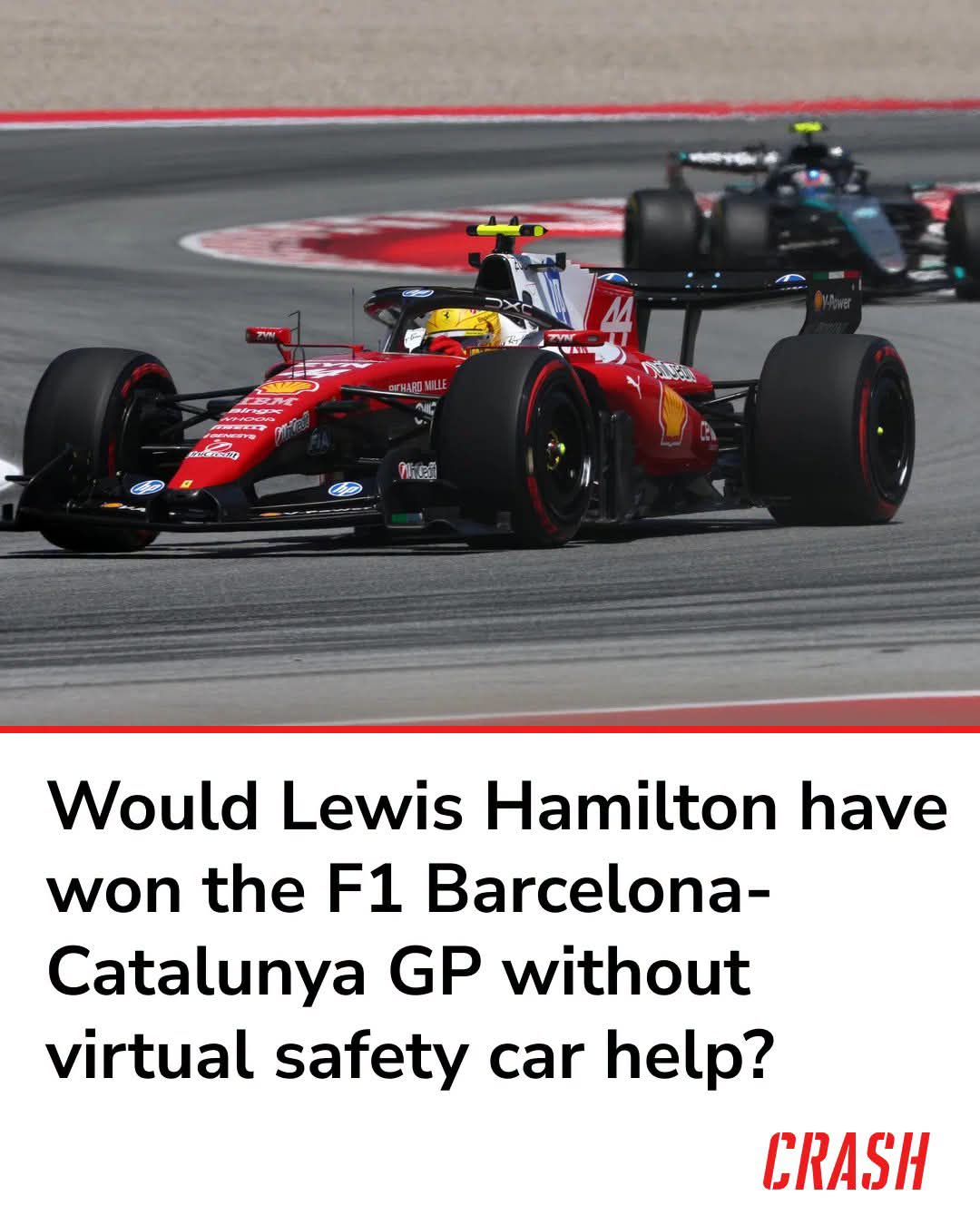
Yet almost immediately after the chequered flag fell, one question dominated discussions throughout the Formula 1 paddock: would Hamilton have won the race without the perfectly timed Virtual Safety Car?
While the neutralization undoubtedly helped Ferrari execute its strategy, a deeper look at the race suggests Hamilton’s victory may have been built on much more than good fortune.
THE STRATEGIC MASTERSTROKE THAT CHANGED THE RACE
Heading into Barcelona, Mercedes appeared to hold the upper hand.
George Russell started from pole position and controlled the early stages of the race, while teammate Kimi Antonelli looked poised to challenge for another podium. Ferrari, meanwhile, chose a far more aggressive approach.
Instead of matching Mercedes’ two-stop strategy, Ferrari committed Hamilton to a three-stop plan that prioritized outright pace over track position.
It was a bold gamble.
The strategy required Hamilton to consistently push harder than his rivals while relying on fresh tires to offset the additional pit stop. If executed perfectly, it would allow him to attack during the closing stages. If it failed, he risked finishing behind both Mercedes drivers despite having superior speed.
THE VIRTUAL SAFETY CAR MOMENT
The race changed dramatically when Fernando Alonso’s Aston Martin stopped on track, triggering a Virtual Safety Car period.
Ferrari immediately seized the opportunity.
Hamilton was able to make his final pit stop while the field was circulating at reduced speed, significantly reducing the time lost in the pit lane. More importantly, he emerged ahead of both Russell and Antonelli.
On paper, that looked like the decisive moment.
Without the Virtual Safety Car, Hamilton likely would have rejoined behind the Mercedes pair and been forced to overtake them on track. Naturally, that led many fans and analysts to wonder whether Ferrari’s victory was more about timing than pace.
WHY HAMILTON’S SPEED CANNOT BE IGNORED
The argument that Hamilton only won because of the Virtual Safety Car overlooks one crucial detail: he was arguably the fastest driver on the circuit long before the neutralization occurred.
Throughout the race, Hamilton demonstrated exceptional pace on both medium and hard compounds. His lap times consistently matched or exceeded those of the Mercedes drivers despite carrying the burden of an extra pit stop.
Even Russell himself admitted after the race that Hamilton’s speed was difficult to contain.
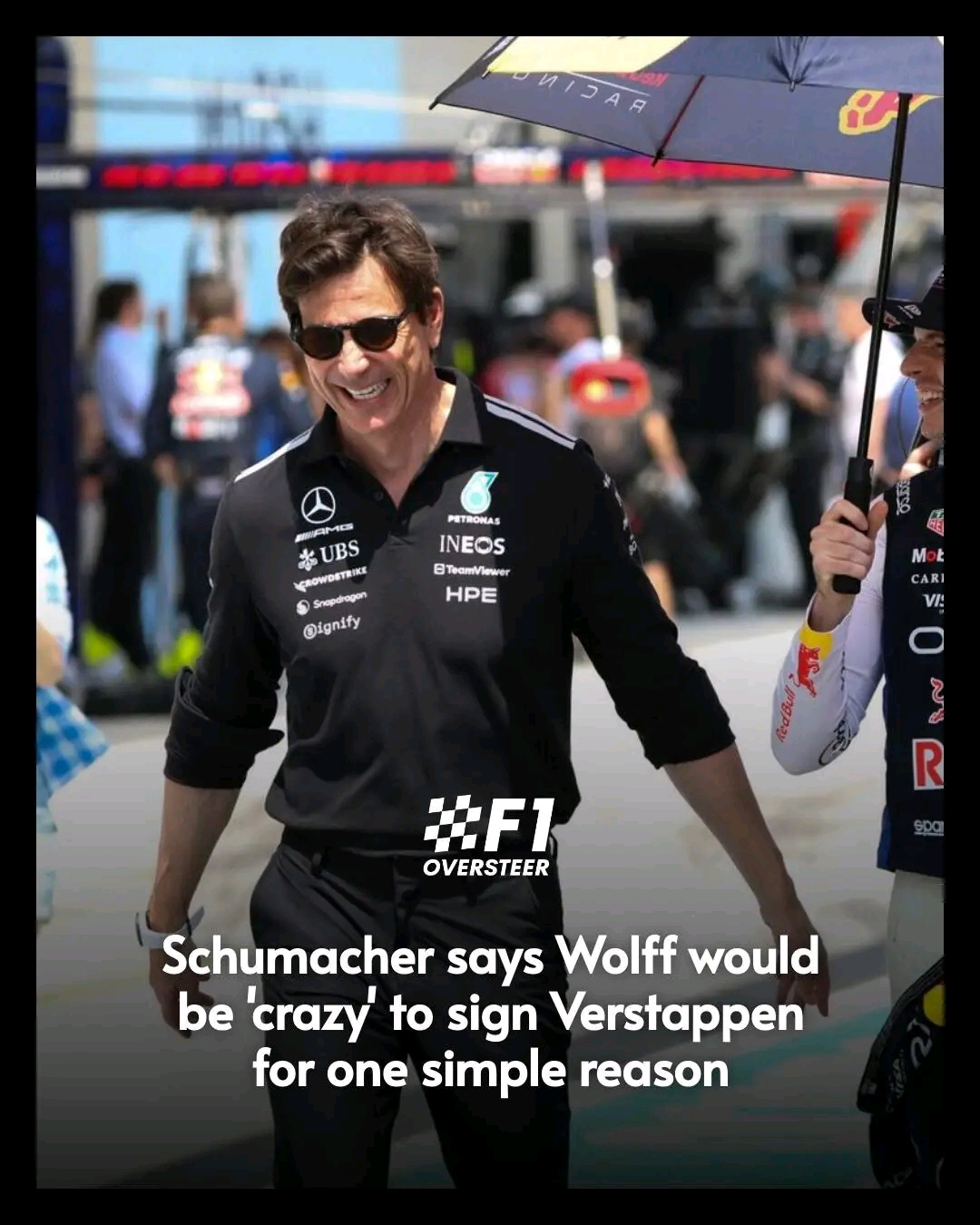
Mercedes team principal Toto Wolff echoed that sentiment, acknowledging that Hamilton appeared quicker during the decisive stages of the Grand Prix.
When rivals openly admit they may not have been able to hold a driver behind, it says everything about the performance level Ferrari unlocked in Barcelona.
FERRARI’S IMPROVEMENTS ARE STARTING TO SHOW
Perhaps the bigger story is not the Virtual Safety Car itself but what Hamilton’s victory reveals about Ferrari’s development.
For much of the past decade, Ferrari has often possessed flashes of speed without the operational consistency needed to challenge for championships. Strategic mistakes, reliability concerns, and race management issues frequently undermined strong weekends.
Barcelona felt different.
The team was proactive, decisive, and confident. Their willingness to commit to an aggressive strategy demonstrated growing belief in both the car and the driver.
The fact that Ferrari executives maintained they would have won even without the Virtual Safety Car suggests they were seeing data that supported Hamilton’s superiority throughout the race.
Whether that confidence proves justified over the remainder of the season remains to be seen, but it represents a major shift in mindset.
WHAT THIS MEANS FOR THE CHAMPIONSHIP
The timing of Hamilton’s victory could not have been more significant.
Championship leader Kimi Antonelli suffered a costly retirement, while Hamilton collected the maximum reward. Suddenly, a title battle that appeared to be drifting away from Ferrari has become much more competitive.
Momentum in Formula 1 can change rapidly.
Antonelli remains the benchmark thanks to his remarkable consistency, but Hamilton’s win sends a clear message: Ferrari now has a package capable of winning races on merit.
If the Scuderia can replicate this performance at upcoming circuits, the championship battle could become a genuine multi-team fight rather than a Mercedes-controlled campaign.
THE MENTAL BOOST HAMILTON NEEDED
Beyond the points and statistics, Barcelona may prove to be a turning point psychologically.
Hamilton has spent more than a year adapting to Ferrari’s systems, culture, and expectations. During that period, questions emerged about whether he could still compete at the very highest level.
This victory answers many of those doubts.
Winning a race is important. Winning a race while executing an aggressive strategy and outperforming championship rivals is even more meaningful.
The confidence gained from this result could be just as valuable as the points earned.
History shows that Hamilton is often at his most dangerous when momentum starts building.
WAS THE VIRTUAL SAFETY CAR THE DECIDING FACTOR?
The honest answer is that the Virtual Safety Car certainly helped Ferrari.
It simplified Hamilton’s route to victory and removed the need for difficult overtakes against two competitive Mercedes cars. No team would deny that.
However, suggesting it was the sole reason for the win ignores the broader picture.
Hamilton had already established himself as one of the fastest drivers on track. Ferrari’s strategy was working. Mercedes was beginning to struggle with tire management, and both Russell and Antonelli were losing valuable time battling each other.
The Virtual Safety Car may have accelerated the outcome, but the evidence suggests Hamilton was already on course to challenge for victory regardless.
A WIN THAT COULD DEFINE THE SEASON
Formula 1 often hinges on moments of opportunity, and Barcelona was one of those moments.
Ferrari identified an aggressive strategy, Hamilton executed it flawlessly, and circumstances fell in their favor at exactly the right time. Championship-winning teams are built on the ability to capitalize when those opportunities arise.
Whether the Virtual Safety Car was worth a few seconds or several positions, it should not overshadow the broader story.
Barcelona demonstrated that Ferrari has finally become a genuine race-winning force and that Lewis Hamilton remains capable of delivering elite performances when given the machinery to compete.
The bigger question now is not whether he needed the Virtual Safety Car.
It is whether this victory marks the beginning of a genuine championship comeback.