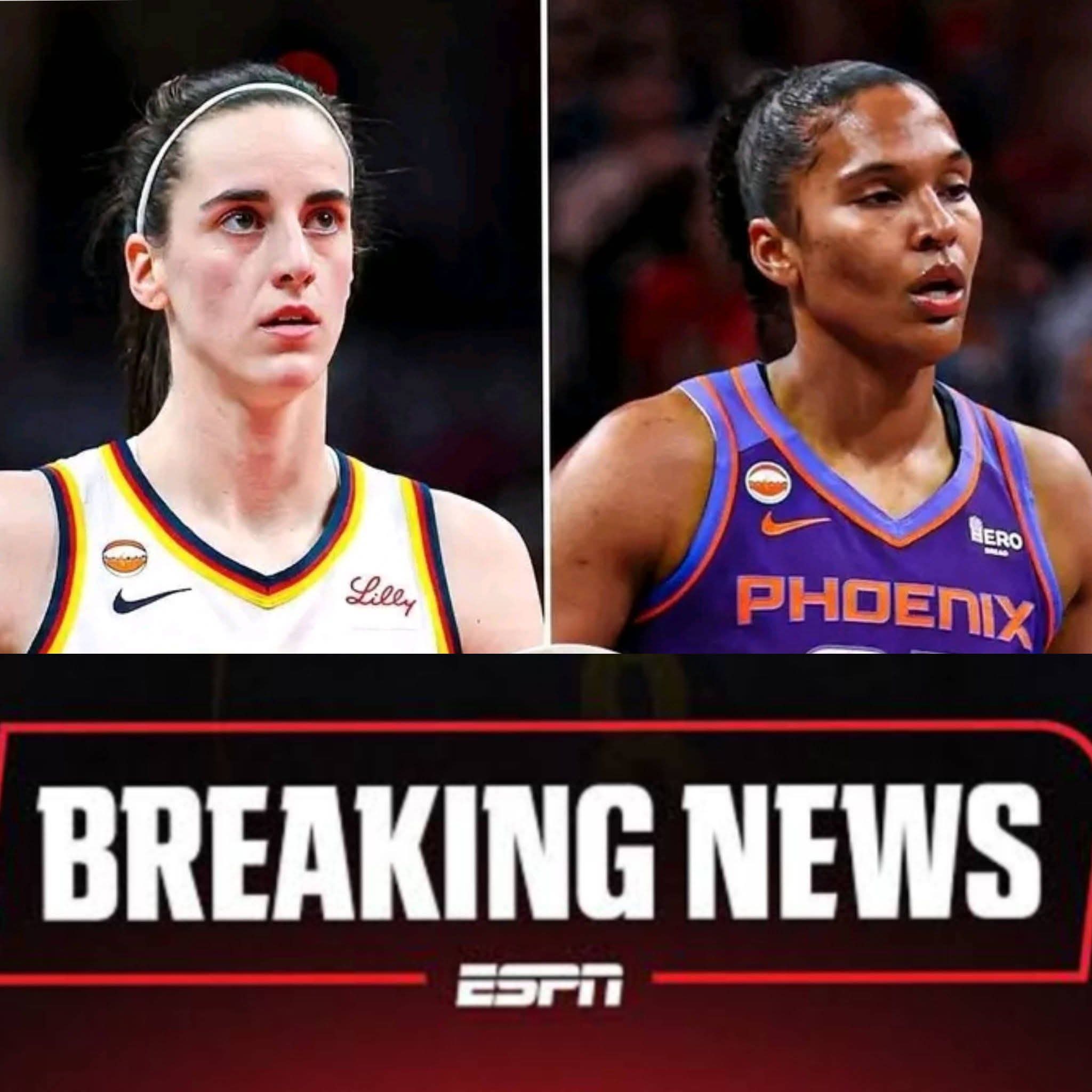
A fresh wave of online speculation has swept through the WNBA community after viral reports claimed Indiana Fever superstar Caitlin Clark filed a $10 million lawsuit against Phoenix Mercury forward Alyssa Thomas following their controversial on-court incident. The story quickly gained traction across social media, generating thousands of reactions and reigniting discussions surrounding player safety, officiating standards, and the treatment of the league’s biggest stars.
However, despite the widespread attention, there has been no official confirmation from Caitlin Clark, Alyssa Thomas, the WNBA, the Indiana Fever, the Phoenix Mercury, or publicly available court records confirming that such a lawsuit has been filed. As a result, fans are being urged to treat the circulating reports cautiously until verified information emerges.
THE INCIDENT THAT STARTED THE CONTROVERSY
The speculation stems from the highly publicized collision between Clark and Thomas during the Fever’s matchup against the Mercury. The incident occurred as Clark drove toward the basket before ending up on the floor during a scramble for possession.
Video clips circulated widely online, with many viewers believing Thomas made unnecessary contact with Clark near her upper body and neck. The play was not immediately penalized during the game, prompting criticism from fans and analysts who believed stronger action should have been taken.
Following a postgame review, the WNBA upgraded the play to a Flagrant 2 foul and suspended Thomas for one game. While the league viewed the contact as a non-basketball act deserving discipline, the punishment itself divided opinion across the basketball community.
VIRAL REPORTS CLAIM LEGAL ACTION
In the days following the incident, several websites and social media accounts began reporting that Clark had filed a civil lawsuit seeking $10 million in damages against Thomas.
According to the unverified reports, the lawsuit allegedly cited physical injuries, emotional distress, lost earnings, and reputational harm while claiming court proceedings were scheduled to begin immediately.
As of now, none of those claims have been substantiated by official legal filings or statements from those directly involved.
WHY THE STORY SPREAD SO QUICKLY
Few athletes in North America currently generate as much online engagement as Caitlin Clark.
Since entering the WNBA, Clark has dramatically increased television ratings, attendance figures, merchandise sales, and overall visibility for women’s basketball. Every hard foul involving the Fever guard now receives national attention, making stories connected to her highly likely to trend online.
That popularity has unfortunately created fertile ground for misinformation, with sensational claims often spreading faster than verified news.
The alleged lawsuit became another example of how quickly rumors can gain momentum when they involve one of the sport’s biggest names.
WHAT A LAWSUIT WOULD MEAN FOR THE WNBA
If Clark were ever to pursue legal action over an on-court incident, it would represent one of the most significant moments in modern professional basketball.
Professional sports generally handle physical incidents through league disciplinary procedures rather than civil litigation. A lawsuit involving two active WNBA players would likely raise complex questions regarding player conduct, acceptable physicality, league responsibility, and legal liability during competition.
Such a case could also influence future collective bargaining discussions regarding player safety and disciplinary standards.
At present, however, there is no verified evidence that this scenario has materialized.
PLAYER SAFETY REMAINS A GENUINE ISSUE
Even without a confirmed lawsuit, the conversation surrounding player safety remains very real.
The WNBA has experienced unprecedented growth over the past two seasons, bringing greater attention to officiating decisions and disciplinary consistency. Many coaches and former players have argued that officials must strike a better balance between allowing physical basketball and protecting players from dangerous contact.
Clark’s emergence has amplified those discussions because of the heavy defensive attention she receives almost every night.
Meanwhile, many veteran players have emphasized that physical defense has always been part of the WNBA’s identity and should not disappear simply because one player has become the league’s biggest attraction.
SOCIAL MEDIA CONTINUES TO SHAPE PUBLIC PERCEPTION
The rapid spread of the lawsuit rumor highlights the growing influence of social media on professional sports.
Fans now consume breaking news instantly, but not every viral post originates from reliable reporting. As engagement-driven content becomes increasingly common, distinguishing verified information from speculation has become more challenging.
For the WNBA, maintaining transparency around disciplinary decisions and communicating clearly with fans may become increasingly important as the league’s audience continues expanding.
WHAT HAPPENS NEXT
Attention will now shift back to basketball as the Fever continue their season and the Mercury look to recover following the suspension served by Thomas.
Unless official court documents or statements emerge confirming legal action, the reported lawsuit should be viewed as an unverified online claim rather than established fact.
What remains certain is that the original incident has intensified ongoing debates surrounding player protection, officiating, and competitive physicality—conversations that are likely to continue throughout the remainder of the WNBA season.
For now, fans should rely on official announcements from the WNBA, team representatives, or verified legal filings before accepting viral reports as factual.