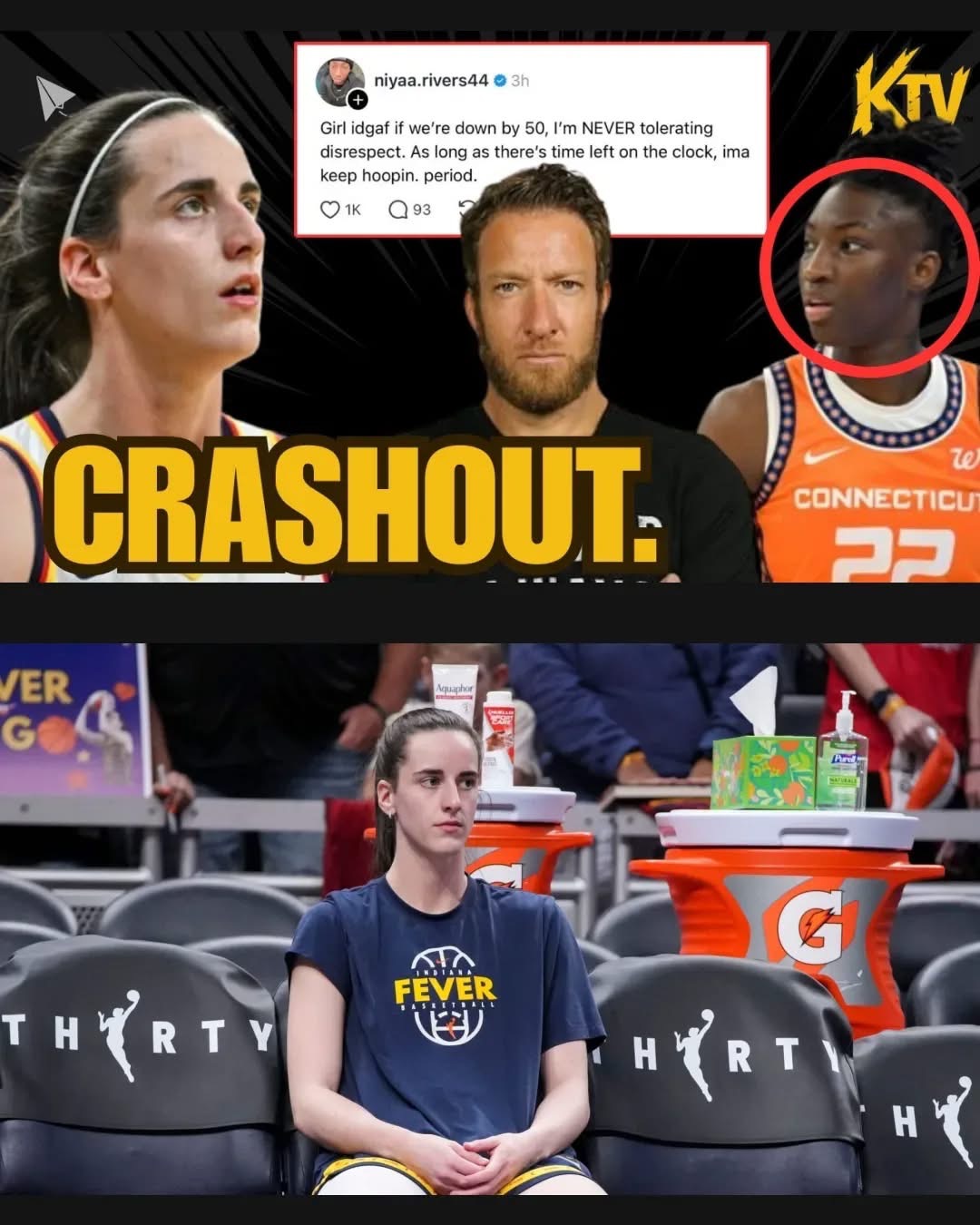
The WNBA’s growing popularity has brought unprecedented attention to every on-court rivalry, social media exchange, and controversial officiating decision. The latest discussion centers around Indiana Fever superstar Caitlin Clark, Connecticut Sun rookie Saniya Rivers, outspoken Barstool Sports founder Dave Portnoy, and the increasingly heated online environment surrounding the league.
While passionate debates have become almost routine in the WNBA’s new era of explosive growth, the latest wave of criticism highlights how quickly basketball conversations can evolve into broader discussions about player conduct, fan behavior, media responsibility, and social media culture. As opinions continue to flood online platforms, the situation has become another reminder that every interaction involving Clark now attracts national attention.
SOCIAL MEDIA EXCHANGES CONTINUE TO FUEL WNBA CONVERSATIONS
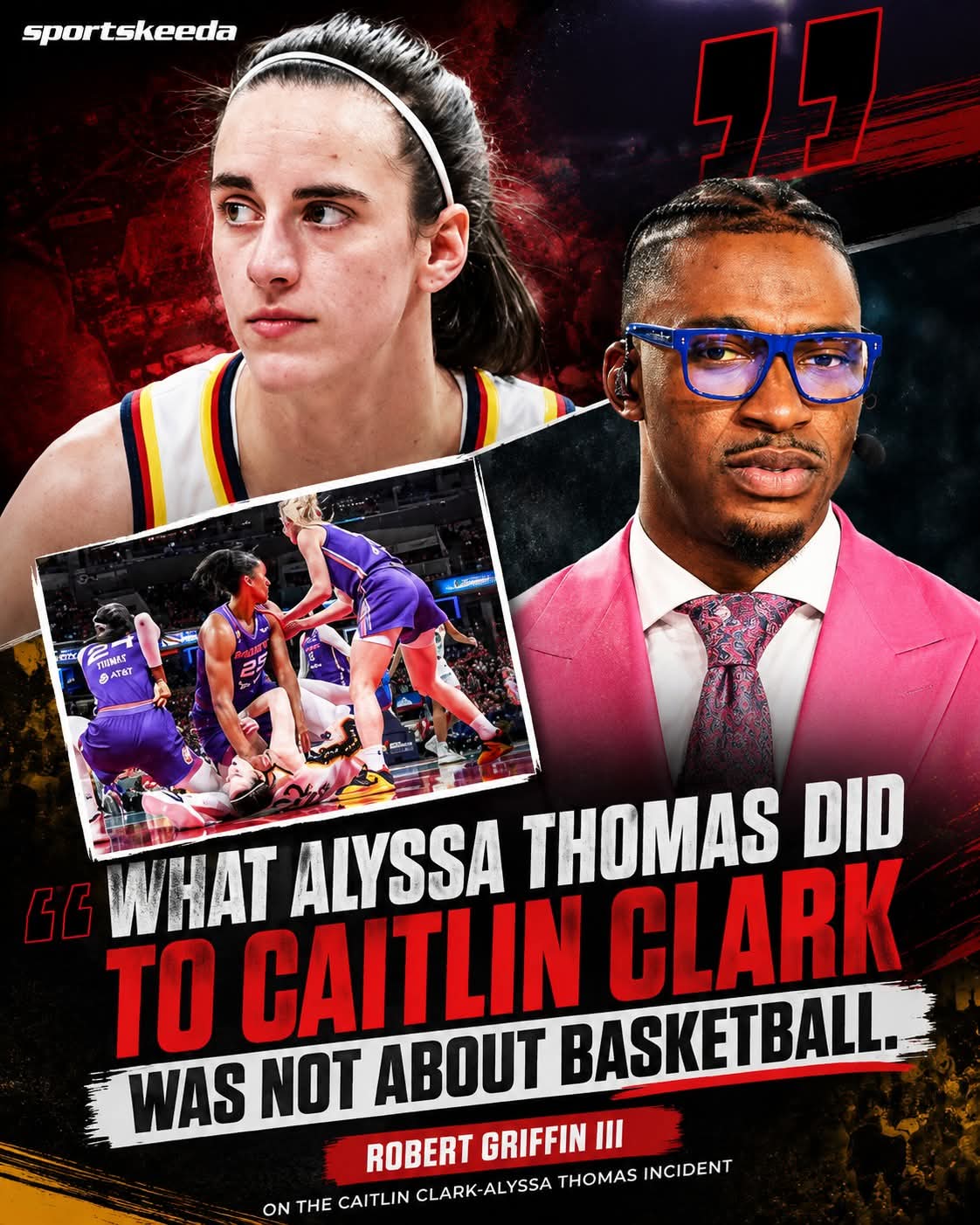
The latest controversy emerged after a tense sequence involving Caitlin Clark and an opposing player during a recent game, followed by comments that circulated across social media. As often happens with high-profile athletes, the discussion quickly expanded beyond basketball itself.
Supporters of Clark argued that she simply responded to trash talk during the game, while others defended the opposing player’s right to compete with confidence regardless of the scoreline. The disagreement soon spread across X, Threads, YouTube, and other platforms, with countless fans dissecting every moment frame by frame.
The debate illustrates how modern sports are no longer confined to what happens between the opening tip and the final buzzer. Every post, reaction, or interview can become a headline within minutes, creating an ongoing cycle of discussion that extends far beyond the court.
DAVE PORTNOY JOINS THE DEBATE
Barstool Sports founder Dave Portnoy became one of several prominent personalities to weigh in on the situation, criticizing what he viewed as unnecessary attacks directed toward Clark and expressing frustration over how some players have handled disputes publicly.
Portnoy’s comments immediately generated another wave of reactions. His supporters applauded him for defending one of the league’s biggest stars, while critics argued that his involvement only intensified an already polarized conversation.
This has become a recurring pattern whenever Clark is involved. Her games now attract reactions not only from basketball analysts but also from media personalities, celebrities, and influencers who rarely comment on the WNBA. That additional exposure has undoubtedly helped grow the league’s visibility, but it has also magnified every controversy.
THE WNBA FACES A BALANCING ACT
League officials have repeatedly acknowledged the rise in online harassment directed toward players across the WNBA. Commissioner Cathy Engelbert has emphasized that racism, misogyny, homophobia, personal attacks, and threats have no place in sports, while the league and the WNBPA continue exploring ways to improve player safety both online and offline.
At the same time, the WNBA must balance protecting its athletes with allowing the competitive emotions that make professional sports compelling. Trash talk has always existed in basketball, but the difference today is that every exchange is instantly clipped, shared, debated, and amplified to millions of viewers.
The league’s continued investment in officiating improvements, player education, and media communication suggests it recognizes that managing its rapid growth requires more than simply producing entertaining games.
CAITLIN CLARK REMAINS THE CENTER OF ATTENTION
Whether discussing television ratings, ticket sales, officiating controversies, or player rivalries, Clark continues to dominate WNBA headlines.
The Indiana Fever guard has transformed the league’s commercial landscape, attracting record television audiences, packed arenas, and unprecedented media coverage. That level of visibility also means every hard foul, technical foul, social media comment, or verbal exchange involving Clark becomes national news.
While some believe the constant spotlight is unfair, others argue it comes with being one of the sport’s biggest stars. Either way, Clark’s presence has fundamentally changed the media ecosystem surrounding women’s basketball.
WHAT THIS MEANS FOR THE LEAGUE GOING FORWARD
The WNBA’s rapid expansion means moments like these are unlikely to disappear anytime soon. As the league continues attracting larger audiences, player personalities, rivalries, and social media interactions will remain central parts of the overall product.
For teams, the challenge is keeping emotions competitive without allowing disagreements to overshadow the basketball itself. For players, maintaining professionalism while competing at the highest level will become increasingly important in an era where every camera angle and every online post can shape public perception.
Ultimately, the league’s greatest opportunity lies in ensuring that conversations return to what has fueled its remarkable rise: elite basketball, emerging stars, compelling rivalries, and a product that continues to attract more fans around the world. While off-court debates may dominate headlines temporarily, sustained growth will depend on keeping the focus on the exceptional talent that has made the WNBA one of the fastest-growing sports leagues today.