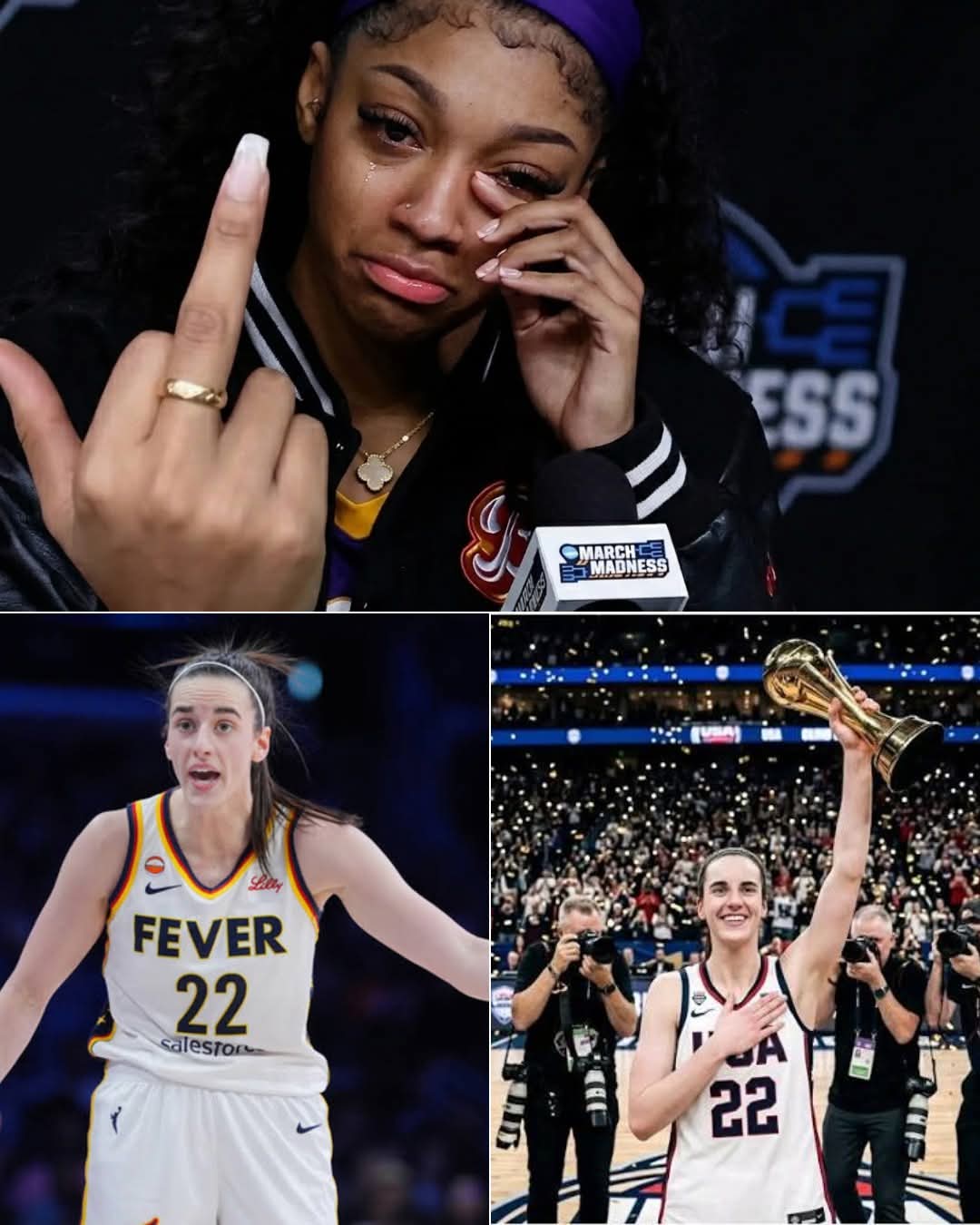
The latest social media storm involving Angel Reese and Caitlin Clark has once again highlighted how quickly unverified claims can dominate conversations around the WNBA. A widely shared online post alleged that Reese reacted angrily to a reporter’s question about Clark receiving an Athlete of the Year honor, claiming she made an offensive gesture and delivered a hostile response that immediately went viral.
However, at the time of writing, there is no verified evidence from credible news organizations, official league sources, or authenticated video confirming that the alleged incident occurred as described. Despite that, the story has spread rapidly across social media, fueling another round of debate between supporters of two of the league’s biggest stars.
UNVERIFIED CLAIMS TAKE OVER SOCIAL MEDIA
The online report describes an emotional exchange during a media session in which Reese was allegedly asked whether Caitlin Clark deserved a prestigious award. According to the viral narrative, Reese became visibly frustrated before responding in a manner that quickly became headline news.
Yet the biggest issue surrounding the story is verification.
In today’s digital landscape, sensational headlines often travel much faster than confirmed reporting. Viral websites frequently publish dramatic versions of events before established journalists have an opportunity to verify what actually happened. Without authenticated footage or confirmation from reliable sources, readers should treat such claims cautiously rather than accepting them as fact.
THE CLARK-REESE RIVALRY CONTINUES TO DRIVE ATTENTION
Whether accurate or not, stories involving Reese and Clark almost instantly become some of the most discussed topics in basketball.
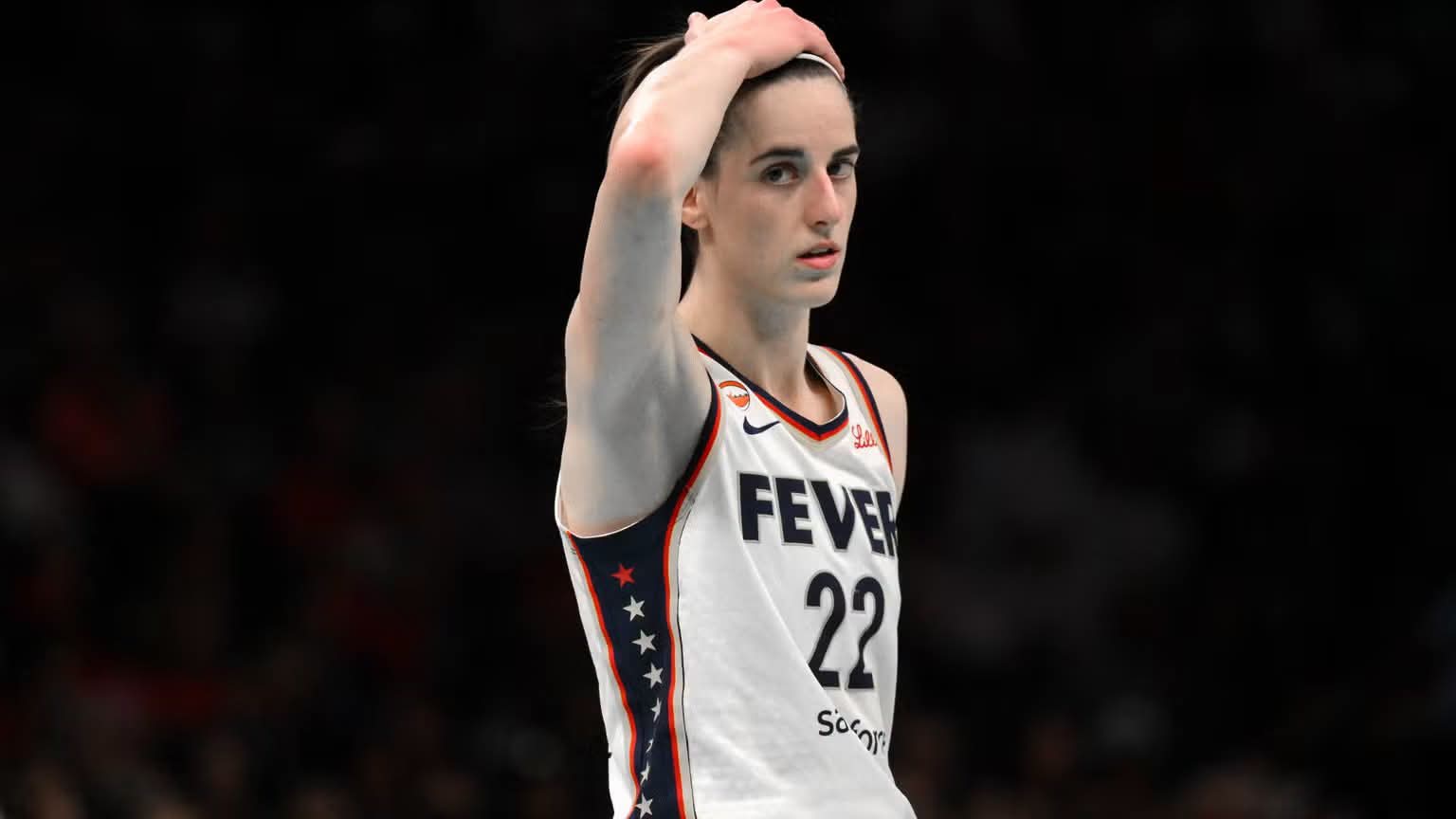
Their rivalry stretches back to college basketball, where both players helped transform women’s basketball into one of the fastest-growing products in sports. Since entering the WNBA, every interaction between the two has generated enormous interest, often creating headlines that extend well beyond the games themselves.
Clark’s arrival has brought unprecedented television ratings, increased attendance, and major sponsorship opportunities to the league. Reese, meanwhile, has developed into one of the WNBA’s biggest personalities, building her own passionate fan base through her competitive style and outspoken confidence.
That combination ensures virtually every headline involving either player receives enormous public attention.
MEDIA PRESSURE IS GROWING ALONGSIDE THE LEAGUE
One challenge facing today’s WNBA stars is the constant spotlight.
Players are routinely asked about rivals, award races, league popularity, and social media controversies instead of simply discussing basketball. Even routine press conferences can become opportunities for questions designed to generate viral reactions.
This isn’t unique to women’s basketball. Similar dynamics exist in the NBA, NFL, Formula 1, and other major sports where star athletes become larger-than-life public figures. The difference is that the WNBA is currently experiencing explosive growth, making every controversy feel amplified.
As league popularity continues to rise, players will likely face even greater scrutiny from both traditional media and millions of online followers.
WHY FACT-CHECKING MATTERS MORE THAN EVER
One of the biggest lessons from this latest controversy is the importance of separating verified reporting from internet speculation.
Videos can be edited, quotes can be taken out of context, and fabricated stories can spread globally within hours. For fans, relying on trusted journalism rather than anonymous websites or social media accounts has become increasingly important.
If authentic footage or official statements eventually emerge regarding the alleged incident, the discussion may change significantly. Until then, presenting speculation as established fact risks unfairly damaging reputations and further polarizing fan bases.
THE WNBA CANNOT AFFORD DISTRACTIONS
The league is currently enjoying one of the strongest periods in its history.
Attendance continues to climb, national television audiences remain strong, and sponsorship interest has reached levels few imagined only a few years ago. Much of that momentum has been fueled by emerging stars such as Caitlin Clark, Angel Reese, Paige Bueckers, and several other young talents.
While rivalries help attract attention, repeated controversies built on unverified claims threaten to distract from the basketball itself. The WNBA’s long-term success will depend on maintaining competitive storylines while ensuring discussions remain grounded in accurate reporting rather than viral misinformation.
WHAT HAPPENS NEXT?
Unless credible evidence surfaces confirming the reported confrontation, this story serves as another reminder of how quickly online narratives can shape public opinion.
Both Angel Reese and Caitlin Clark remain among the most influential figures in women’s basketball, and their every move will continue to be analyzed by fans and media alike. As the season progresses, the focus will ideally return to their performances on the court, where both athletes continue to play significant roles in the WNBA’s remarkable growth.
For now, the viral report has generated plenty of discussion—but without independent verification, it should be viewed as an unconfirmed claim rather than an established event.