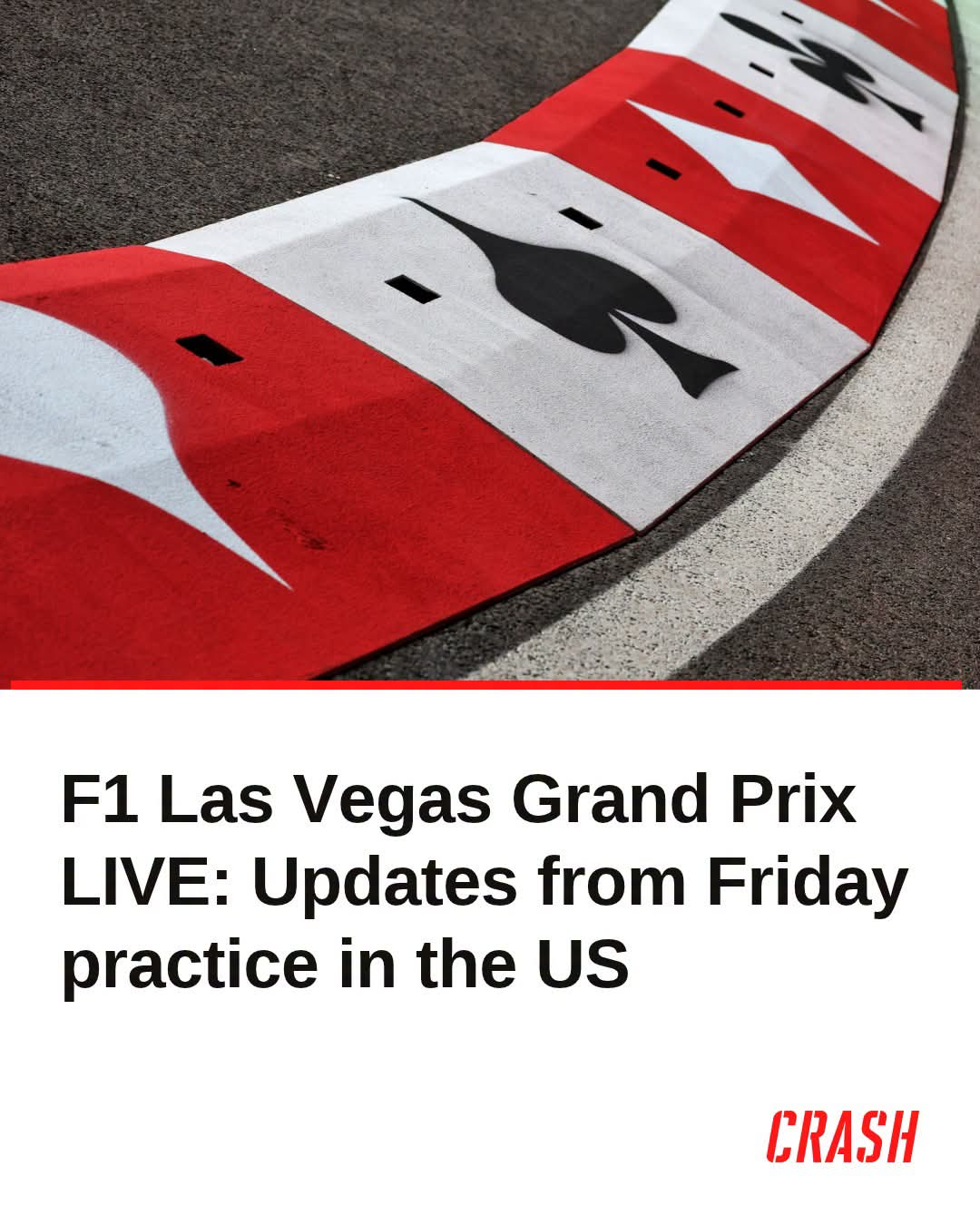
The 2026 Formula 1 season has reached one of its most theatrical stages. Under the neon glow of the Las Vegas Strip Circuit, Free Practice 1 was supposed to mark the beginning of a high-stakes weekend. Instead, heavy rain turned the opening session into a near-total washout, leaving teams with almost no useful data and drivers gingerly exploring standing water on full wet tyres.
No competitive lap times were set. Seventeen drivers eventually ventured out for installation runs, but aquaplaning, locked rears, and wheelspin in the slower corners made flying laps a non-starter. Sergio Perez was classified at the top of a results sheet that effectively meant nothing. Rookies and reserve drivers who had been handed valuable seat time — including Rafa Camara at Haas, Dino Beganovic in place of Lewis Hamilton at Ferrari, and others — gained little more than a cold, slippery introduction to the unique demands of this 6.201-kilometre street track.
The session underscored just how quickly weather can rewrite the script in Sin City. Las Vegas is already one of the coldest races on the calendar. Add persistent rain and the asphalt becomes an ice rink, as multiple drivers reported over team radio. Teams that stayed in the garage, including both McLarens and Racing Bulls, simply decided the risk of a heavy shunt outweighed any potential reward.
FP2 DELIVERS THE FIRST REAL RUNNING AFTER THE DELUGE
By Free Practice 2 the rain had eased enough for meaningful action. George Russell put Mercedes on top with a late 1:47.272 on intermediate tyres, just 0.071 seconds clear of a surprising Pierre Gasly in the Alpine. Charles Leclerc finished third for Ferrari, with Isack Hadjar, Oscar Piastri and Lewis Hamilton completing the top six. Lando Norris, Kimi Antonelli and Max Verstappen all featured in the order, though Verstappen’s running was limited and unrepresentative after an engine-related issue.
The session still featured a red-flag interruption and plenty of sliding, but it finally gave teams the chance to gather data on the cold, damp surface that characterises this unique night race. Track evolution was rapid once intermediate rubber started working, and the late improvements showed just how much grip was still available as the circuit cleaned up.
WHY THIS WEEKEND STILL MATTERS EVEN WITH THE TITLES DECIDED
Kimi Antonelli has already sealed the drivers’ championship for Mercedes, becoming the youngest world champion in Formula 1 history. The constructors’ title is also locked away by the Silver Arrows. Yet the remaining three races — Las Vegas, Qatar and Abu Dhabi — still carry genuine intrigue.
A tight five-way battle for second place in the drivers’ standings involves Max Verstappen, George Russell, Lewis Hamilton, Charles Leclerc and Lando Norris. The gaps are small enough that strong performances here can reshuffle the order heading into the final double-header. For Mercedes the focus shifts to helping Russell finish as high as possible. For Ferrari, McLaren and Red Bull it is about maximising every point while evaluating car performance in the unusual conditions of a cold desert night street circuit.
The Las Vegas Strip Circuit itself remains a unique challenge. Long straights demand low drag, while the tight, barrier-lined sections punish any lack of precision. Tyre temperature management in the cold is critical. The surface evolves dramatically across a session, and the spectacle of cars blasting past the Sphere, Bellagio fountains and casino façades at more than 340 km/h never loses its novelty.
WHAT THE LOST PRACTICE TIME MEANS FOR THE REST OF THE WEEKEND
Losing FP1 is more than an inconvenience. Teams had limited opportunity to validate setup directions, test the latest aerodynamic tweaks, or give rookies meaningful mileage. FP3 on Friday afternoon becomes even more important as the final chance to prepare for qualifying under what is forecast to be dry conditions. The switch from intermediate or wet running to full dry slicks will require careful management of the car’s balance and tyre warm-up procedures.
Street circuits amplify small mistakes. A single error into the barriers can end a session or, worse, a race. Drivers who extract the maximum from limited practice often find themselves rewarded when the lights go out on Saturday night. Conversely, those still searching for confidence after the wet sessions may struggle when the grip levels rise and the cars start producing proper downforce.
PREDICTIONS AND THE BROADER PICTURE
Mercedes looks strong again after Russell’s FP2 performance, continuing the form that delivered both titles. Ferrari’s Leclerc and Hamilton remain competitive, while McLaren will be hoping their Brazil upgrades translate to the high-speed Strip. Alpine’s strong showing with Gasly is a reminder that the midfield can still produce surprises when conditions are tricky.
The race itself, scheduled for 50 laps under the lights on Saturday evening, has the potential to deliver drama regardless of the championship situation. Safety cars, variable grip, and the ever-present risk of contact with the walls make this one of the more unpredictable events on the calendar. For the sport, the Las Vegas Grand Prix continues to serve as a high-profile showcase in a major American market, blending glamour, speed and the raw unpredictability of street racing.
As the paddock prepares for FP3 and qualifying, the focus shifts from survival in the wet to pure performance in the dry. The neon is still shining. The engines are still howling. And even with the titles decided, the fight for position, pride and momentum is very much alive on the streets of Las Vegas.