The WNBA has confirmed one of the most significant officiating reforms in league history, announcing that a centralized replay center will be introduced beginning with the 2027 season. The move is designed to improve consistency, transparency, and accuracy in officiating, bringing the league’s review system closer to the model that has long been used by the NBA.
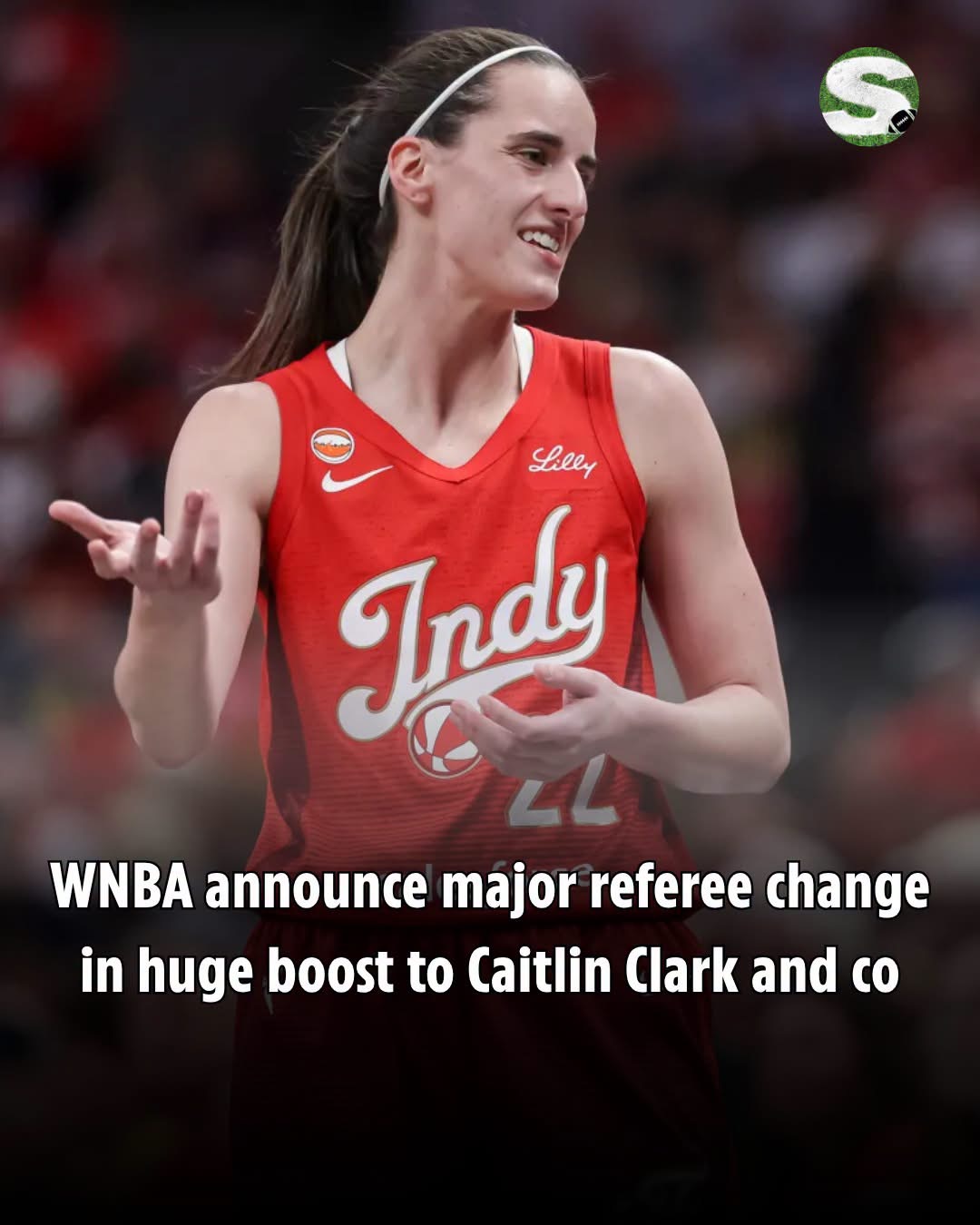
The announcement arrives after months of intense scrutiny surrounding officiating decisions, many of which involved Indiana Fever superstar Caitlin Clark. While the new replay center is intended to benefit every player and franchise across the league, it also addresses many of the concerns that have repeatedly fueled debate throughout one of the WNBA’s most closely watched seasons.
THE WNBA IS INVESTING IN A MORE MODERN OFFICIATING SYSTEM
Commissioner Cathy Engelbert unveiled the initiative ahead of the WNBA All-Star festivities, describing it as one of the league’s largest investments in basketball operations. The centralized replay center will allow officials to review key plays from a dedicated location equipped with advanced technology, helping ensure faster and more consistent decisions during games.
Similar systems have become standard across major professional sports, particularly in the NBA, where centralized replay has helped streamline reviews while improving communication between officials on the court and league headquarters.
Although some operational details are still being finalized, league officials confirmed that the replay center will become fully operational for the start of the 2027 campaign.
OFFICIATING HAS BECOME ONE OF THE WNBA’S BIGGEST TALKING POINTS
Few issues have generated as much discussion this season as officiating. Players, coaches, and fans have frequently questioned missed fouls, inconsistent rulings, and lengthy replay reviews.
Much of the public attention has centered around Caitlin Clark, whose games have consistently produced controversial officiating moments. As one of the league’s biggest stars, Clark has often found herself involved in highly physical contests that sparked debate over whether officials were adequately protecting players while maintaining the flow of the game.
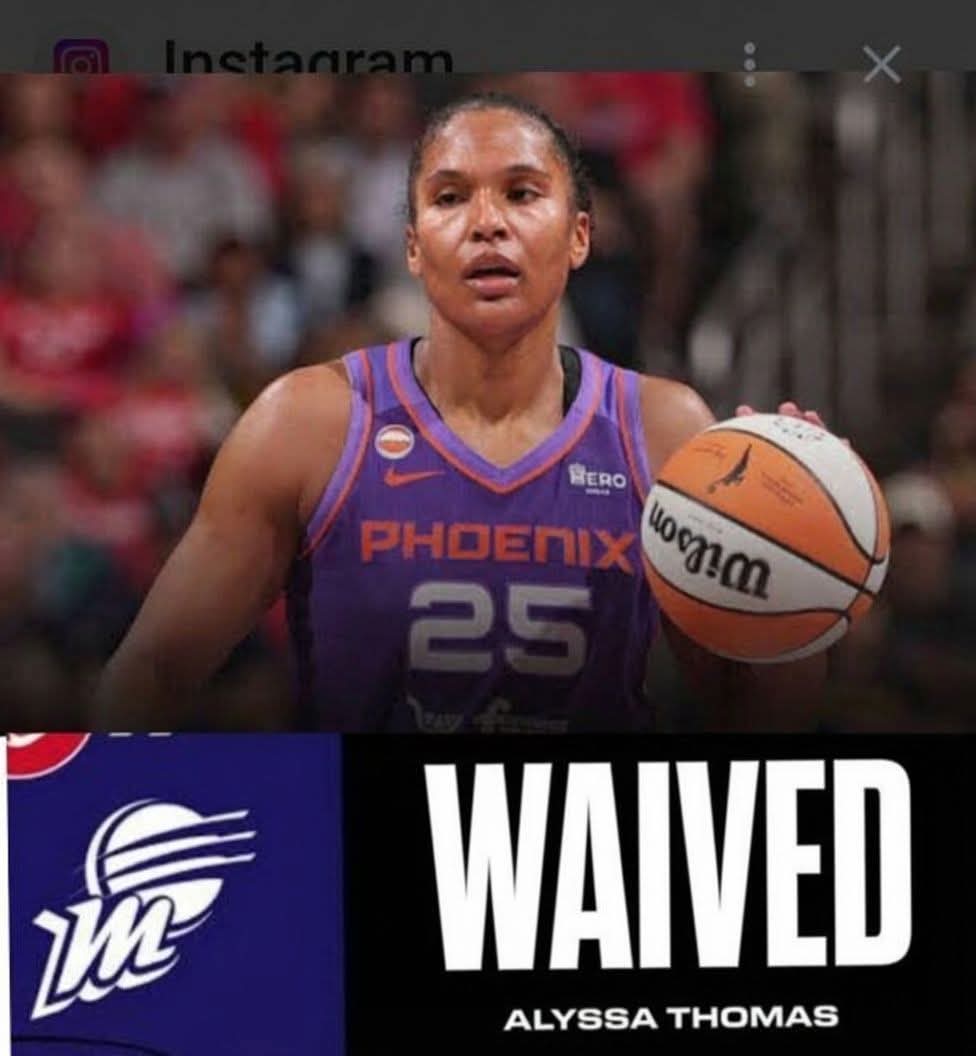
One of the most widely discussed incidents involved Phoenix Mercury veteran Alyssa Thomas. Following an on-court altercation with Clark, the league later upgraded the play to a Flagrant 2 after postgame review, despite no foul being called during live action. The incident intensified criticism of the league’s officiating standards and increased calls for systemic improvements.
WHY A CENTRALIZED REPLAY CENTER COULD MAKE A MAJOR DIFFERENCE
The introduction of a centralized replay center has the potential to improve several aspects of game management beyond simply correcting missed calls.
Officials will have access to enhanced video technology and additional support when reviewing complex situations, helping reduce inconsistencies from one game to another. Faster communication could also minimize lengthy delays that sometimes frustrate players, coaches, and fans alike.
Perhaps most importantly, a centralized system promotes greater consistency across the league. Instead of relying solely on the officiating crew assigned to each game, decisions can benefit from standardized review procedures that are applied equally across every matchup.
While no replay system can eliminate every controversial decision, many believe this represents an important step toward improving confidence in the officiating process.
THE CHANGE REFLECTS THE WNBA’S RAPID GROWTH
The timing of the announcement is no coincidence. The WNBA continues to experience record-breaking television ratings, attendance figures, sponsorship growth, and international attention.
As the league expands, every aspect of the game—from facilities and broadcasting to officiating and technology—faces increased expectations. Fans now analyze every controversial call from multiple camera angles within seconds, placing enormous pressure on officials to make accurate decisions in real time.
Investing heavily in officiating infrastructure demonstrates the league’s commitment to matching its growing popularity with equally high operational standards.
THE LEAGUE ALSO FACES A GROWING CHALLENGE OFF THE COURT
Alongside officiating concerns, league leadership also addressed the increasing level of online abuse directed toward players throughout the season.
Commissioner Engelbert condemned the rise in harassment, including racist, misogynistic, homophobic, and threatening messages received by players following controversial games. She stressed that such behavior has no place in professional sports and confirmed that the league continues working alongside the players’ union to strengthen protections for athletes.
The discussion highlights how increased popularity has brought not only larger audiences but also greater responsibilities in protecting players both on and off the court.
WHAT THIS MEANS FOR CAITLIN CLARK, THE FEVER, AND THE ENTIRE LEAGUE
Although the new replay center was not created for any single player, it represents a meaningful response to concerns that have repeatedly surfaced during Clark’s rookie and sophomore campaigns. Better replay procedures could help reduce missed calls, improve consistency, and provide greater confidence in critical late-game decisions.
For the Indiana Fever, the change offers hope that future games will feature fewer controversial officiating moments that distract from the team’s performance on the court.
More broadly, every WNBA franchise stands to benefit from a system designed to improve fairness and accuracy. Coaches gain more confidence in the review process, players receive greater consistency in officiating standards, and fans enjoy a product that is both more transparent and more trustworthy.
A DEFINING MOMENT FOR THE FUTURE OF THE WNBA
The introduction of a centralized replay center marks far more than a technological upgrade—it represents another milestone in the WNBA’s ongoing evolution into one of the world’s fastest-growing professional sports leagues.
Officiating debates are unlikely to disappear completely, as every major sport continues to face controversial moments. However, by investing in better technology, standardized reviews, and improved decision-making, the WNBA is taking a significant step toward strengthening the integrity of its competition.
As the league prepares for another era of growth, this landmark officiating reform could prove to be one of the most impactful changes in recent WNBA history, helping ensure that games are remembered more for the players’ performances than the controversies surrounding the whistle.