CONTROVERSIAL MOMENT OVERSHADOWS FEVER’S DOMINANT WIN
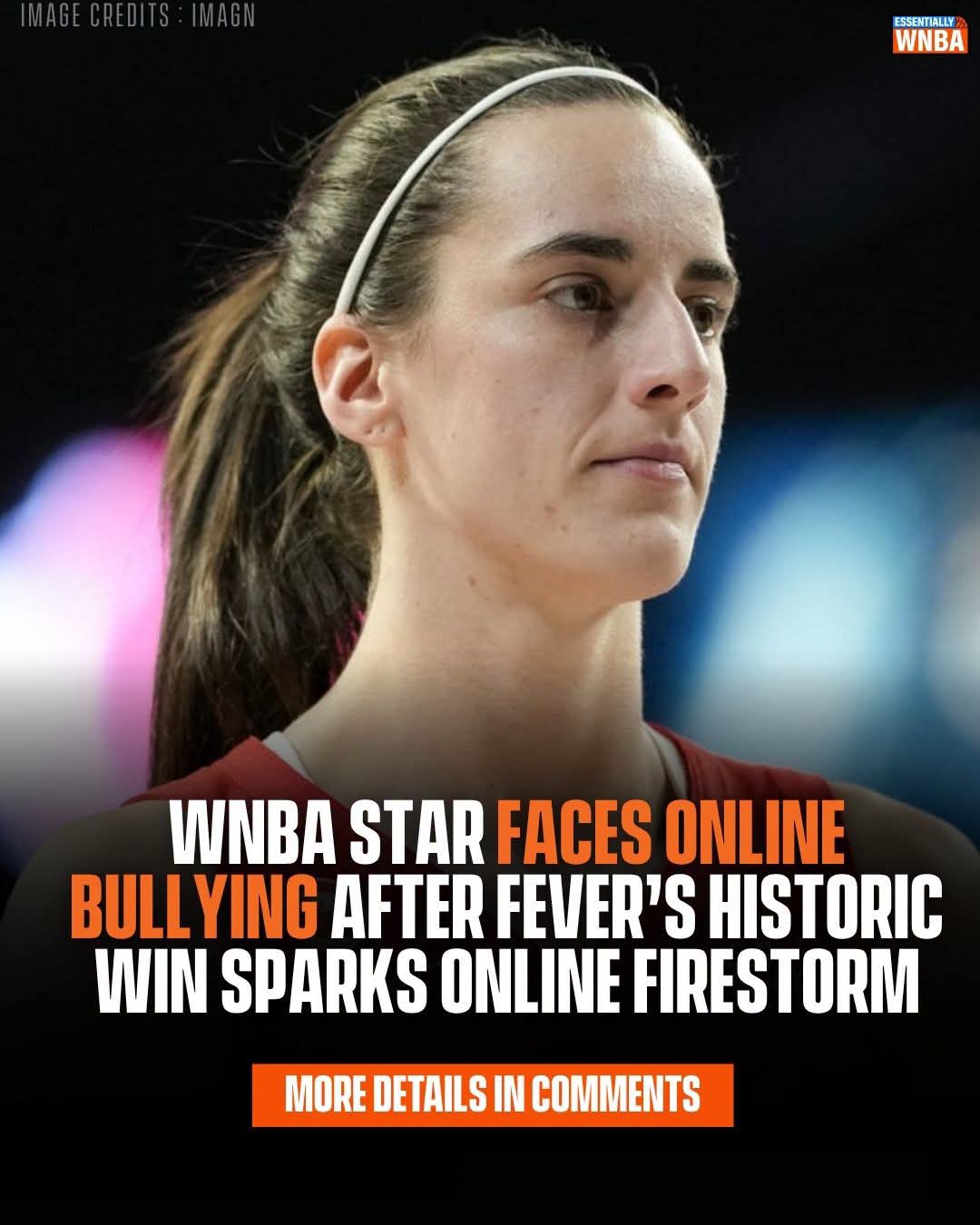
The Indiana Fever’s emphatic 109-75 victory over the Las Vegas Aces should have been remembered for another historic performance from Caitlin Clark and a statement win over one of the WNBA’s premier franchises. Instead, much of the conversation after the final buzzer centered on a controversial on-court collision involving Clark and Aces veteran Chelsea Gray, followed by disturbing online abuse directed at Gray. The incident has once again placed the WNBA under scrutiny as the league continues to battle the growing problem of toxic fan behavior.
Clark continued adding to her remarkable résumé despite playing limited minutes, becoming the fastest player in WNBA history to reach 600 career assists. However, the historic achievement quickly became secondary as debate erupted across social media over the physical play that left Clark on the floor during the second quarter.
CHELSEA GRAY REVEALS DISTURBING MESSAGES FROM FANS
Following the game, Gray shared screenshots on social media showing abusive messages she received after the incident. Among the messages was racist language directed toward the veteran guard, prompting her to publicly address the issue.
Gray explained that players frequently face hateful messages behind the scenes, challenging those who dismiss concerns about online harassment. Her decision to expose the abuse highlighted the emotional toll that social media can have on professional athletes, particularly after highly publicized games involving some of the league’s biggest stars.
Her comments also reinforced a growing concern throughout women’s basketball: criticism of on-court performances is one thing, but personal attacks and racist abuse cross a line that no athlete should be expected to tolerate.
THE PLAY THAT IGNITED THE DEBATE
The controversy began late in the second quarter when Gray attacked the basket with Clark defending her. During the sequence, Clark absorbed contact before attempting to contest Gray’s shot. Both players ended up falling to the floor, with Clark appearing to experience discomfort immediately after the collision.
Officials reviewed the play before ruling that Clark committed a personal foul. Clark was visibly surprised by the decision, briefly protesting before returning to play. Gray converted both free throws, but the discussion surrounding the play continued long after the game ended.
As video clips circulated online, opinions became sharply divided. Some believed the contact was simply part of normal basketball, while others questioned whether the officials had interpreted the play correctly. Regardless of differing opinions, the online reaction quickly escalated beyond basketball analysis.
THE INCIDENT ADDS TO A GROWING PATTERN OF CONTROVERSY
The situation inevitably drew comparisons to the recent suspension of Phoenix Mercury star Alyssa Thomas after her contact with Clark during a separate game. That decision followed a postgame league review, resulting in a Flagrant 2 ruling and a mandatory suspension.
Thomas later revealed that she and members of her family received hateful messages and even death threats after the incident. Now, Gray’s experience demonstrates that the problem extends beyond one player or one game. Any athlete involved in controversial moments with Clark appears to become an immediate target for a segment of online fans willing to cross ethical boundaries.
This growing trend threatens to overshadow the league’s rapid rise in popularity and presents a challenge that league officials can no longer afford to ignore.
THE WNBA’S BIGGEST CHALLENGE MAY NOW BE OFF THE COURT
Over the past two seasons, the WNBA has experienced unprecedented television ratings, attendance figures, sponsorship growth, and media attention. Much of that momentum has been fueled by Clark’s arrival, but increased visibility has also amplified the intensity of online discourse.
The league has already introduced initiatives designed to combat hate and harassment, yet incidents involving Thomas, Gray, and other players suggest that stronger enforcement and broader education efforts may still be necessary. While healthy debate and passionate fandom are part of professional sports, protecting athletes from racial abuse, threats, and harassment has become one of the league’s most urgent responsibilities.
Maintaining that balance will be essential as the WNBA continues attracting millions of new fans from across the sports world.
CAITLIN CLARK’S STAR POWER CONTINUES TO CHANGE THE LEAGUE
Clark’s influence extends far beyond her statistics. Every game she plays generates national headlines, increased television audiences, and enormous social media engagement. While that exposure has benefited the WNBA commercially, it has also intensified scrutiny surrounding every foul, review, and physical exchange involving the Fever guard.
Opposing players now find themselves under a microscope whenever they share the court with Clark, making ordinary basketball plays susceptible to extraordinary public reactions. That reality creates added pressure for athletes, officials, and league administrators alike.
As Indiana continues its push toward championship contention, Clark’s presence will remain both the league’s greatest opportunity and one of its biggest challenges.
ALL EYES TURN TO THE WNBA’S NEXT RESPONSE
With another controversy dominating headlines, attention now shifts toward how league leadership responds. The WNBA has repeatedly emphasized its commitment to creating a respectful environment for everyone involved in the sport, and situations like this will test that commitment.
For the Fever, the priority remains building on consecutive victories as they prepare for another difficult stretch of the season. For the league, however, the bigger objective is ensuring that basketball—not online abuse—remains the focus.
As the WNBA’s popularity continues to soar, protecting every player while encouraging passionate but respectful fandom may become one of the defining challenges of this new era.