Why the F1 Bahrain Grand Prix is being held in Malaysia…Why the F1 Bahrain Grand Prix Is Being Held in Malaysia
Formula 1 fans are set for one of the most unusual race weekends on the 2026 calendar, with the Bahrain Grand Prix being staged at Malaysia’s Sepang International Circuit rather than at the Bahrain International Circuit.
The unusual arrangement follows the postponement of the original Bahrain Grand Prix because of the security situation in the Middle East. Instead of removing the race completely from the 2026 Formula 1 calendar, F1 and the FIA agreed on a temporary solution that allows the event to take place in Malaysia.
The race will retain its Bahrain identity, but the cars will compete thousands of kilometres away from the Gulf kingdom.
Why was the Bahrain Grand Prix moved?
The 2026 Bahrain Grand Prix was originally scheduled to take place at the Bahrain International Circuit in April. However, developments in the Middle East led Formula 1 and the FIA to postpone the Bahrain and Saudi Arabian Grands Prix.
The decision was made against the background of a wider regional security situation that affected international travel and the ability to stage major sporting events safely.
Formula 1 has strict safety and logistical requirements for its teams, drivers, officials and spectators. With conditions preventing the April event from going ahead as originally planned, the championship had to consider whether the race could be rescheduled later in the season.
Rather than simply cancelling Bahrain from the calendar, Formula 1 eventually found an alternative solution.
Malaysia would host the race.
Why was Malaysia chosen?
Malaysia was a particularly practical option because of its existing relationship with Formula 1.
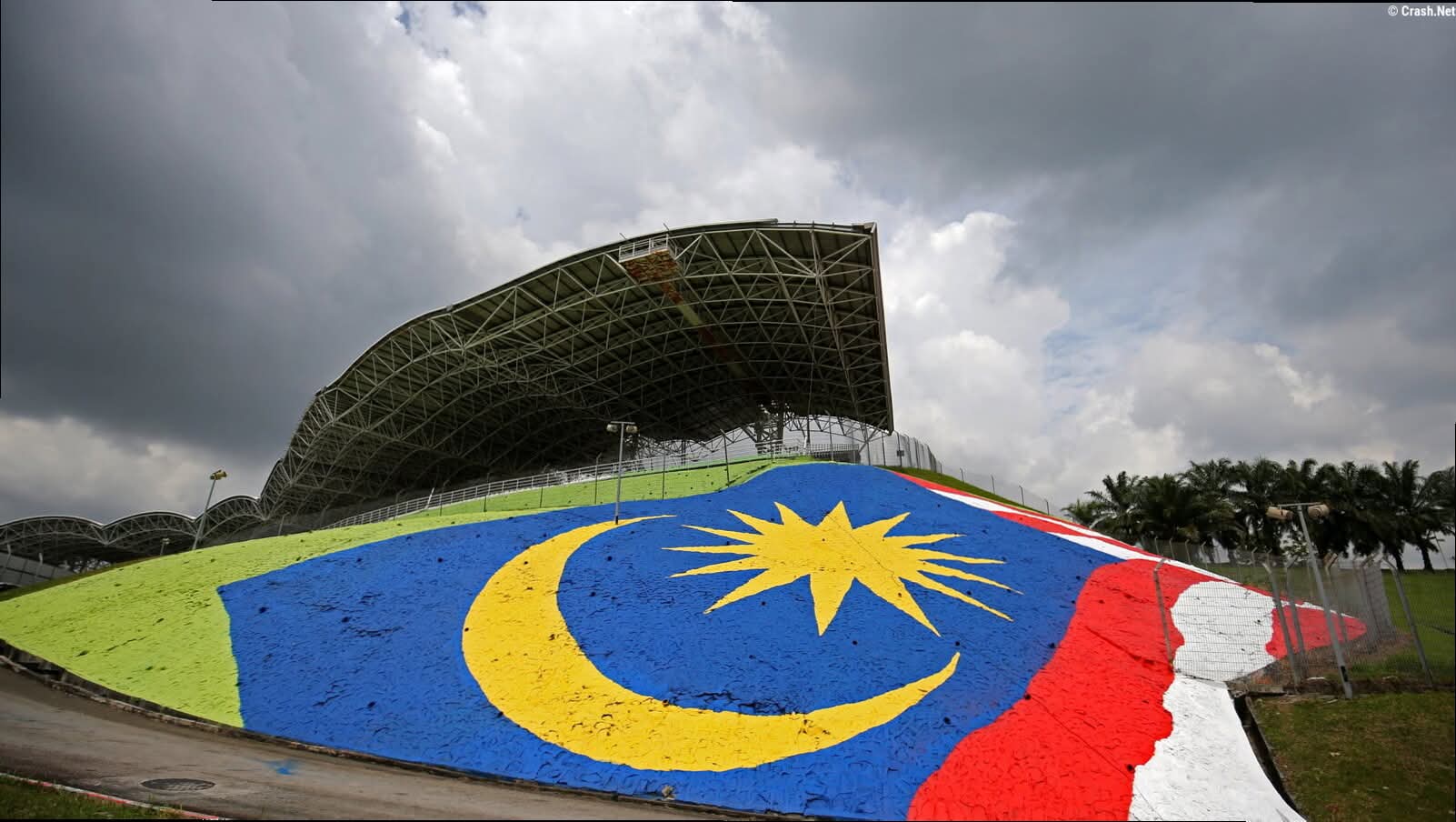
The Sepang International Circuit was a regular fixture on the F1 calendar for almost two decades. It hosted the Malaysian Grand Prix from 1999 until 2017 and became one of the championship’s most recognisable venues during that period.
Sepang already has experience of hosting Formula 1 teams, thousands of international fans, television crews, support races and the extensive logistical operation required for a Grand Prix weekend.
That made it considerably easier to bring F1 back to the circuit than it would have been to establish an entirely new venue at short notice.
The circuit also remains a modern facility capable of handling a major international motorsport event.
For Formula 1, bringing back an established venue offered a practical way of replacing the Bahrain race without creating an entirely new event from scratch.
A return to Sepang after nine years
The Malaysian Grand Prix was removed from the Formula 1 calendar after the 2017 race, with rising costs and declining attendance among the factors surrounding its departure.
Since then, Sepang has continued to host major motorsport events, but F1 had been absent.
The 2026 Bahrain Grand Prix therefore marks a significant return.
For Malaysian motorsport fans, the event provides the opportunity to watch modern Formula 1 machinery at Sepang for the first time since 2017.
The circuit is also particularly well known for its challenging layout.
Its long straights provide opportunities for overtaking, while the combination of slow corners and high-speed sections places considerable demands on both cars and drivers. The tropical climate can also create difficult conditions, with heat and humidity adding another challenge to the weekend.
Why is it still called the Bahrain Grand Prix?
The most confusing part of the arrangement is the name.
A race being held in Malaysia would normally be expected to carry the title of the Malaysian Grand Prix. However, that is not what is happening in 2026.
The event retains its Bahrain identity and is officially known as the Formula 1 Gulf Air Bahrain Grand Prix in Malaysia.
This reflects the fact that it is effectively the postponed Bahrain event being staged at another location.
In other words, the race has not simply been replaced by a new Malaysian Grand Prix. Bahrain’s scheduled event has been transferred to another circuit.
The arrangement allows Bahrain to remain represented on the 2026 Formula 1 calendar while Malaysia temporarily becomes the host country.
It is an unusual solution, but one that enables the championship to preserve the race while avoiding the circumstances that prevented it from taking place in Bahrain.
How does the calendar fit together?
The timing of the replacement race also played an important role in the decision.
The Malaysian event is scheduled for the beginning of October, creating a busy period of Asian races for Formula 1.
Sepang’s location makes it possible for the championship to move between events in the region without the same level of logistical disruption that could have been caused by returning to the Middle East and then travelling back to Asia.
Formula 1’s calendar is an enormous logistical operation. Teams transport hundreds of tonnes of equipment around the world, while freight, personnel, broadcasting infrastructure and hospitality operations all have to be moved between circuits.
Reducing unnecessary long-distance travel is therefore an important consideration when creating or modifying the schedule.
What does this mean for the teams?
For the F1 teams, the biggest change is that they will be racing at a circuit that has not been used for a Formula 1 Grand Prix for several years.
Although many current drivers have extensive experience of Sepang from junior categories, testing or other forms of racing, the modern Formula 1 cars have never competed there.
That means teams will have to rely heavily on simulator work and historical data.
The characteristics of the circuit could also create an interesting technical challenge.
Sepang features two long straights, significant braking zones and a mixture of slow and fast corners. Teams will have to find a compromise between aerodynamic efficiency for the straights and sufficient downforce for the corners.
Weather could become another important factor.
Malaysia’s tropical climate means that high temperatures, humidity and the possibility of heavy rain can all influence a race weekend. A sudden shower could dramatically alter tyre strategy and the balance of a Grand Prix.
What does it mean for Formula 1 fans?
For fans, the unusual event provides something that has been missing from the calendar since 2017: Formula 1 racing at Sepang.
The circuit has a strong reputation among F1 supporters, particularly because previous Malaysian Grands Prix frequently produced dramatic races and changing weather conditions.
The return also gives a new generation of fans the chance to experience a circuit that many younger viewers have only seen in historic race footage.
For Malaysian fans, it is effectively a surprise return of Formula 1.
Instead of waiting for the country to negotiate a permanent return to the calendar, fans will get to see the championship back at Sepang as part of the 2026 schedule.
A temporary solution to an extraordinary situation
The Bahrain Grand Prix being held in Malaysia highlights just how complicated the modern Formula 1 calendar has become.
Grand Prix events depend on much more than the availability of a racing circuit. International security, freight movements, government decisions, commercial agreements, broadcasting requirements and the availability of teams and personnel all have to be considered.
When circumstances made the original Bahrain race impossible to stage as planned, Formula 1 had to find a solution that protected the championship’s sporting calendar while taking account of the wider situation.
The result is one of the strangest race arrangements in recent F1 history.
The Bahrain Grand Prix will take place in Malaysia, with Sepang stepping in as the host venue.
For Bahrain, it provides a way to retain its place on the championship calendar. For Malaysia, it represents the return of Formula 1 after a nine-year absence. For the teams, it introduces a familiar but long-absent circuit to the modern championship.
And for fans, it means something particularly unusual: a Bahrain Grand Prix without the race actually being held in Bahrain.
The cars will take to the Sepang circuit on 4 October 2026, bringing Formula 1 back to Malaysia and creating one of the most distinctive weekends of the 2026 season.