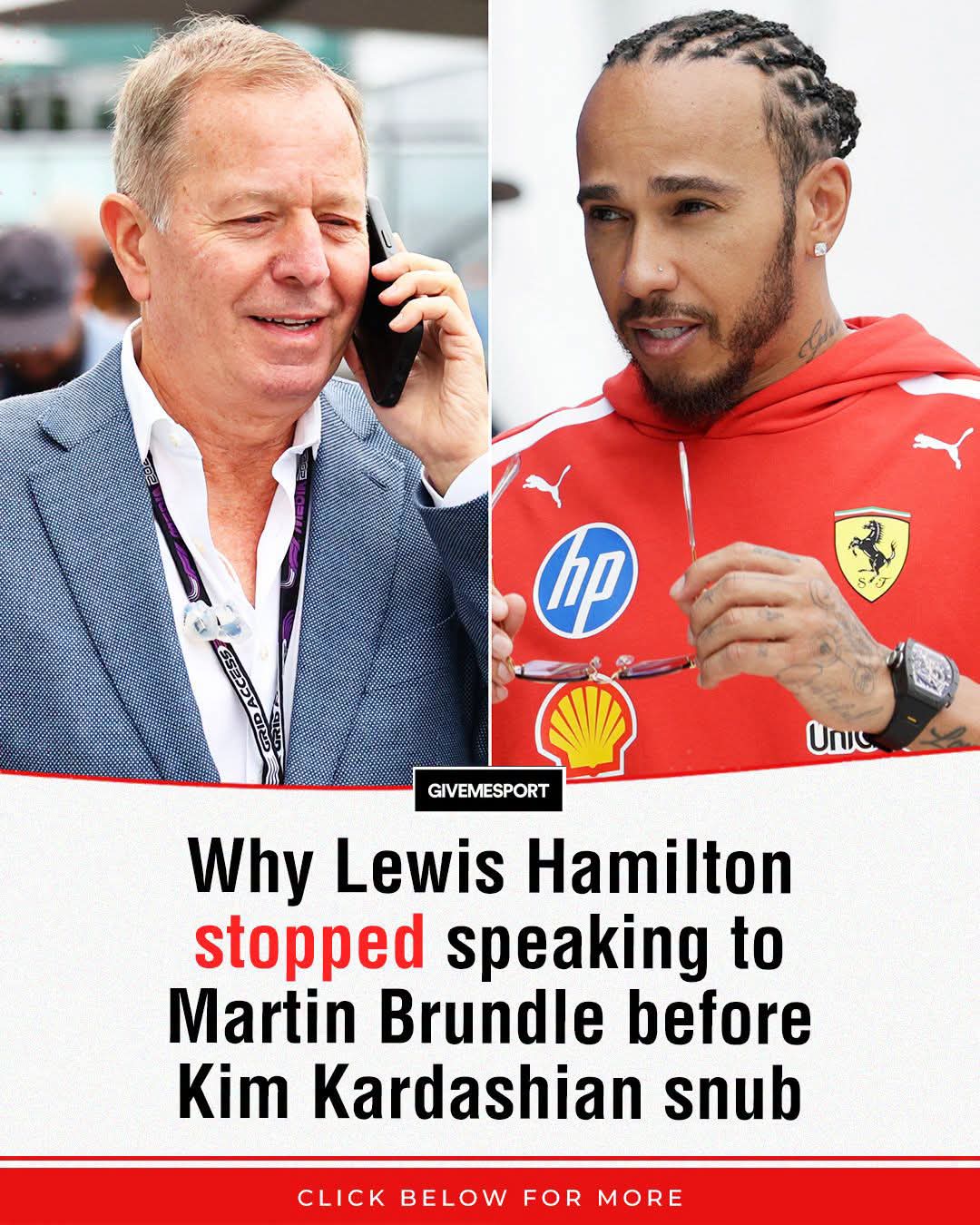
The fallout from Kim Kardashian’s much-discussed Monaco Grand Prix appearance continues to dominate Formula 1 headlines, but one aspect of the story has opened a wider conversation about the changing culture of the sport. While much of the attention focused on Kardashian declining an interview with Martin Brundle during his famous grid walk, the incident also reignited debate about Lewis Hamilton’s own relationship with the veteran broadcaster.
For years, Brundle’s pre-race grid walk has been one of Formula 1’s most iconic traditions. Yet as the sport has evolved into a global entertainment phenomenon, access to drivers and celebrities has become increasingly difficult. The Monaco controversy highlighted just how much the Formula 1 grid has changed—and why even some of the sport’s biggest stars have become less accessible.
MARTIN BRUNDLE’S GRID WALK REMAINS A FORMULA 1 INSTITUTION
Few broadcasting features are as closely associated with Formula 1 as Martin Brundle’s grid walk.
Since introducing the concept in the late 1990s, the former Formula 1 driver has become known for navigating crowded grids, stopping drivers, celebrities, team principals, and VIP guests for spontaneous conversations moments before the race begins.
The unpredictability is what makes it so popular. Fans never know whether Brundle will secure a revealing interview, get ignored, or create an unforgettable television moment.
However, the modern Formula 1 environment has become dramatically different from the one Brundle first encountered nearly three decades ago.
THE F1 GRID HAS BECOME A CELEBRITY HOTSPOT
Formula 1’s global growth has transformed race weekends into major social and entertainment events.
Celebrities, influencers, business leaders, athletes, and global brands now compete for visibility alongside the teams and drivers. Monaco, in particular, has become the ultimate showcase for that crossover between sport and celebrity culture.
While this growth has expanded Formula 1’s reach and commercial success, it has also created new challenges.
The starting grid is now significantly more crowded than it was during Brundle’s early years. Security teams, media representatives, sponsors, and VIP guests often occupy the same spaces where drivers are trying to prepare for one of the most intense moments of their weekend.
As a result, access has become more restricted.
WHY LEWIS HAMILTON CHANGED HIS PRE-RACE ROUTINE
One reason Brundle now struggles to speak with certain drivers is that many have fundamentally changed their race-day preparation.
Lewis Hamilton is among those who prefer spending the final moments before a race inside the garage rather than remaining on the grid. Instead of socializing or speaking with media, he typically focuses on engineering discussions, strategy reviews, hydration, and mental preparation.
In modern Formula 1, even the smallest details can influence performance.
Drivers are managing increasingly complex systems, reviewing last-minute setup information, and ensuring they are mentally prepared for races that can be won or lost in the opening corners.
Hamilton’s decision to reduce media interactions before races is not unique. Several drivers have adopted similar approaches as Formula 1 becomes more competitive and technically demanding.
THE KIM KARDASHIAN INCIDENT SPARKED A BIGGER DEBATE
When Kardashian declined to stop for Brundle in Monaco, many fans interpreted the moment as disrespectful toward one of Formula 1’s most recognizable figures.
However, others viewed the situation differently.
Some observers believe she was simply following guidance from her entourage and avoiding media attention on a weekend that was meant to focus on Hamilton’s performance. Body language experts and commentators have suggested she initially appeared willing to engage before changing direction after receiving advice from someone nearby.
Whether intentional or not, the incident quickly became one of the most talked-about moments of the weekend.
The controversy demonstrates the unique position Brundle occupies within Formula 1. Being stopped by Brundle has become almost a rite of passage for anyone entering the paddock spotlight.
DOES THIS REFLECT A WIDER FORMULA 1 PROBLEM?
The discussion extends beyond Hamilton or Kardashian.
Many long-time fans argue that Formula 1 risks losing some of its authenticity as celebrity culture becomes increasingly intertwined with race weekends. They worry that the spotlight sometimes shifts away from the drivers and sporting competition.
At the same time, Formula 1’s recent commercial boom has been driven partly by its ability to attract new audiences. Celebrities bring attention, sponsorship opportunities, and mainstream exposure that help grow the sport globally.
The challenge is finding the right balance.
Formula 1 must continue expanding without allowing the sporting spectacle to become secondary to the entertainment surrounding it.
WHY HAMILTON’S APPROACH MAKES SENSE
While some fans miss the more accessible version of Hamilton seen earlier in his career, his current approach is understandable.
At 41 years old, Hamilton remains one of the most successful and scrutinized athletes in world sport. Every race weekend involves enormous pressure, particularly now that he is battling near the front of the championship with Ferrari.
The seven-time world champion has always been meticulous in his preparation, and limiting distractions before races fits that philosophy.
His recent performances suggest the strategy is working.
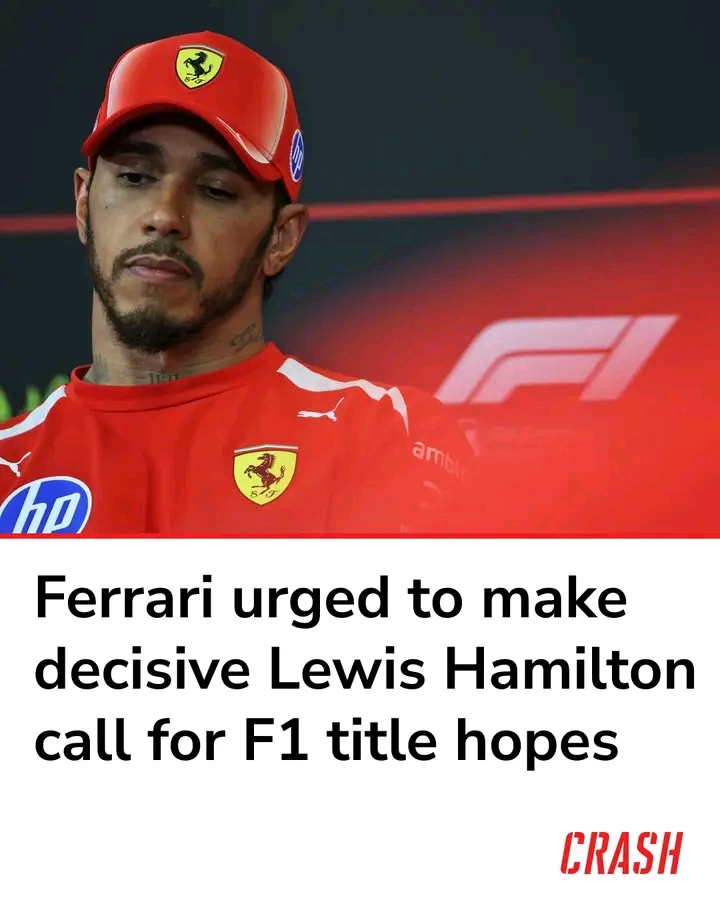
Hamilton’s strong form has elevated him to second place in the championship standings behind Mercedes sensation Kimi Antonelli, keeping him firmly in the title conversation as the season enters a critical phase.
WHAT THIS MEANS FOR THE REST OF THE SEASON
The Monaco incident will likely fade quickly, but the broader conversation about Formula 1’s identity is unlikely to disappear.
As the sport continues attracting celebrities and global attention, iconic traditions like Brundle’s grid walk will face increasing challenges. Yet those same traditions remain valuable because they connect fans directly to the personalities that make Formula 1 special.
For Hamilton, the focus remains straightforward: chasing another world championship.
For Brundle, the mission remains unchanged as well: navigating the chaos of the grid and finding stories wherever they emerge.
And for Formula 1, the challenge will be preserving its unique character while continuing its rapid global growth.
Monaco may have delivered another viral Brundle moment, but it also served as a reminder that modern Formula 1 is evolving faster than ever—and not everyone agrees on whether that change is for the better.