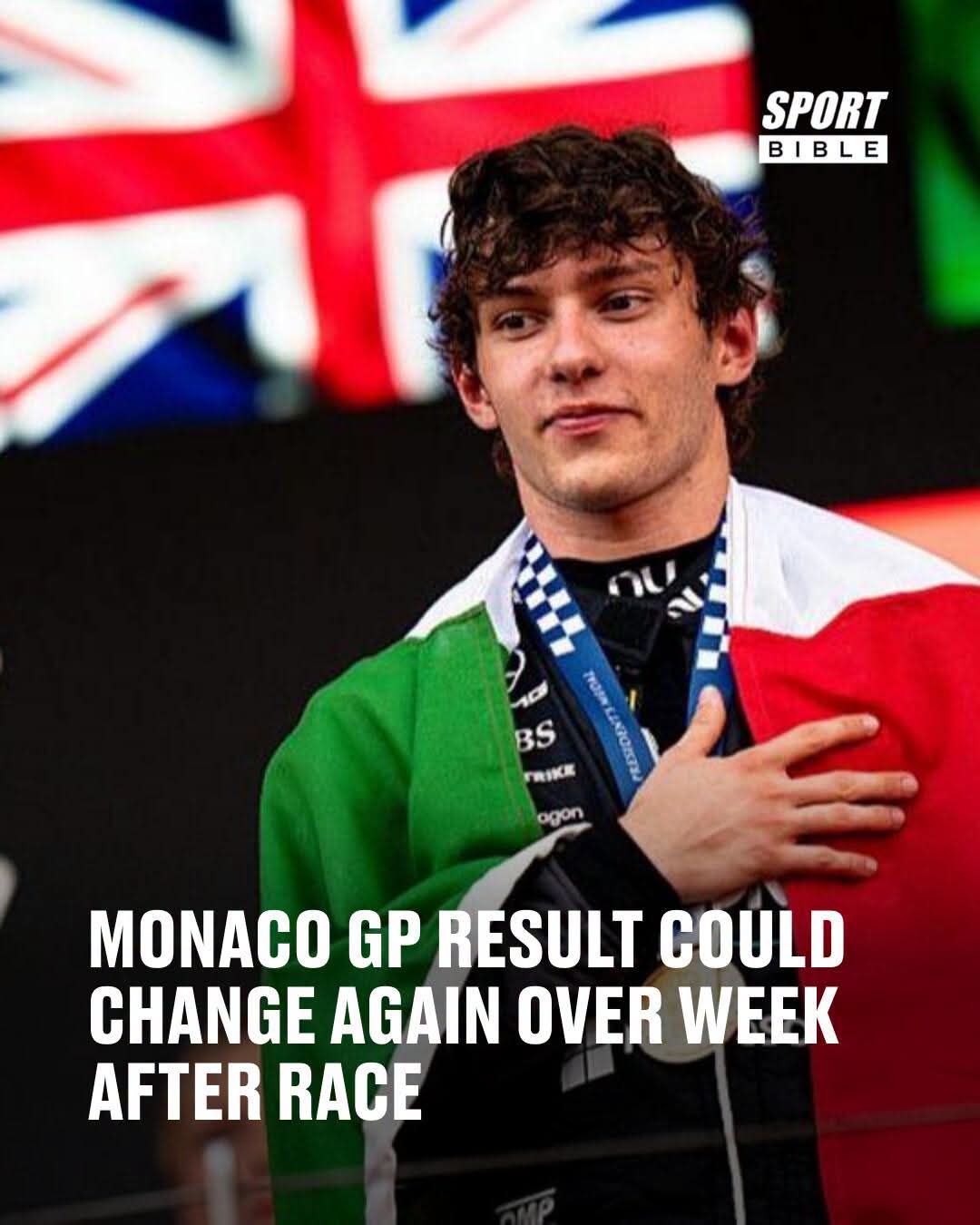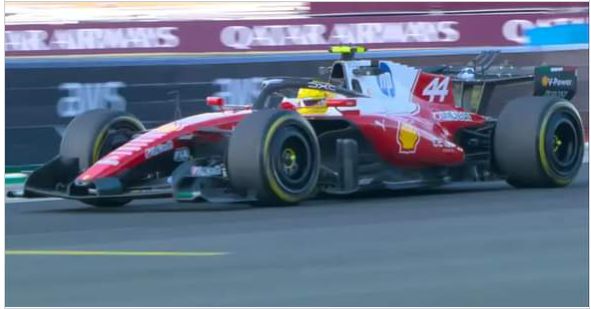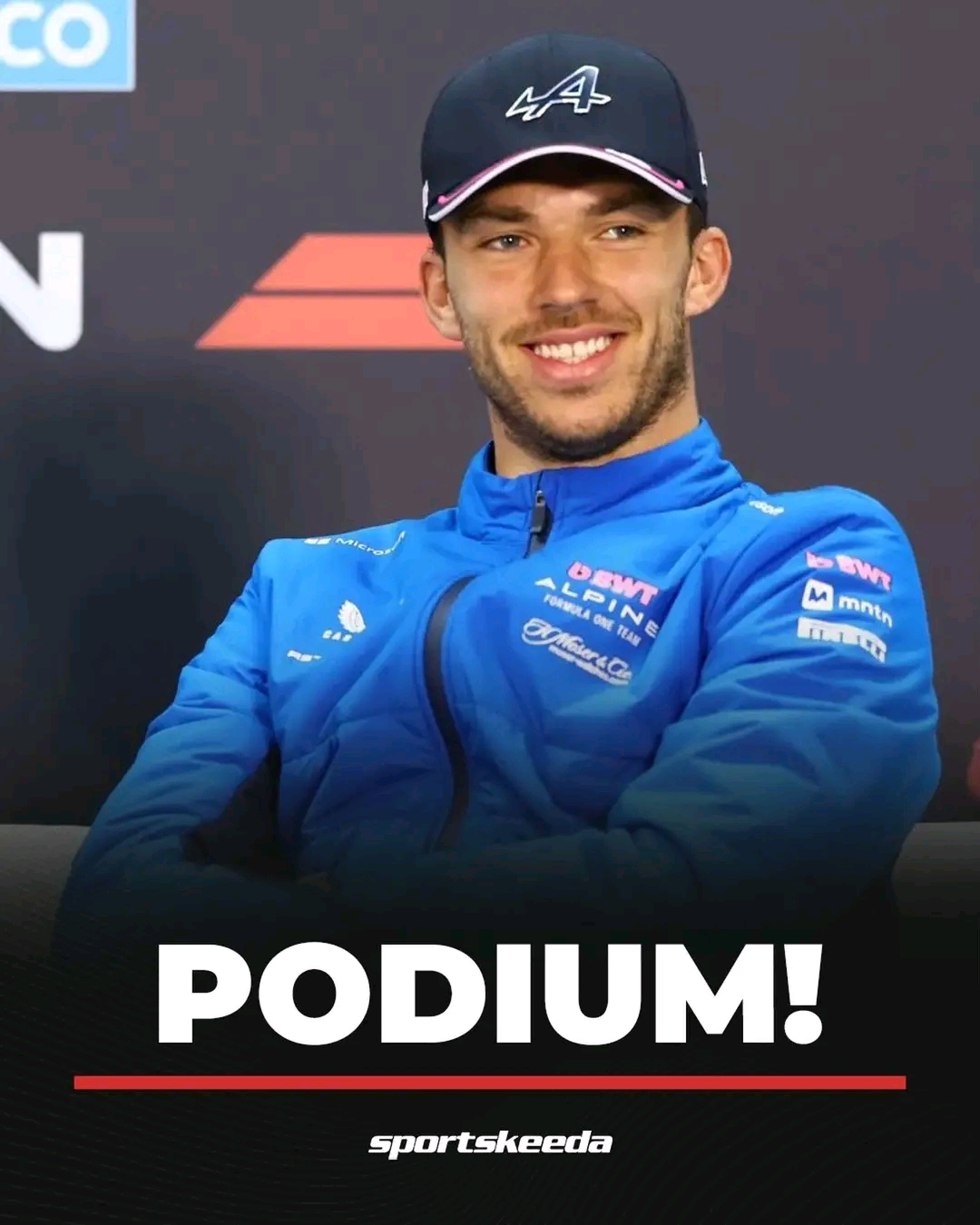
A dramatic twist has reshaped the Monaco Grand Prix results after Pierre Gasly’s time penalties were officially overturned following a successful appeal by Alpine. The decision promotes Gasly back to P3, while rookie Isack Hadjar loses what would have been a breakthrough podium finish.
The ruling has sparked fresh debate in the Formula 1 paddock about consistency in stewarding decisions and the fine margins that define modern racing outcomes.
WHAT HAPPENED IN THE MONACO GP CONTROVERSY
The Monaco Grand Prix, already known for its chaos and tight margins, became even more controversial after post-race penalties initially dropped Gasly out of the podium positions.
However, after a formal review and appeal submitted by Alpine, the governing decision was overturned. The revised classification reinstates Gasly to third place, reshuffling the final podium order.
For Alpine, it is a significant correction. For Hadjar, it is a heartbreaking reversal of what looked like a career-defining result.
WHY ALPINE’S APPEAL SUCCEEDED
Appeals in Formula 1 are rare but not unprecedented, especially when teams believe procedural inconsistencies or unclear interpretations of regulations have influenced results.
In this case, Alpine argued that the penalty applied to Gasly was not consistent with precedent or did not correctly reflect the race situation.
The successful appeal suggests that:
The original penalty assessment may have been overly harsh
There may have been ambiguity in how the rule was interpreted
The stewards accepted new evidence or clarification from Alpine
This outcome reinforces how complex modern Formula 1 regulations have become, especially on street circuits like Monaco where track limits, pit strategy, and race incidents are constantly under scrutiny.
IMPACT ON PIERRE GASLY AND ALPINE
For Pierre Gasly, the reinstatement is more than just a statistical correction — it restores a valuable podium finish in a season where every result matters for both confidence and championship positioning.
For Alpine, the decision represents a strong validation of their race management and willingness to challenge decisions they believe are incorrect.
A podium at Monaco carries extra prestige due to the circuit’s difficulty and reputation as one of the most demanding tracks in motorsport.
HEARTBREAK FOR ISACK HADJAR AFTER FIRST PODIUM LOSS
The biggest emotional impact falls on Isack Hadjar, who initially celebrated a podium finish that would have marked a major milestone in his Formula 1 journey.
Now, that result is erased from the official classification.
While the sport has always been subject to post-race changes, the psychological effect on drivers—especially emerging talents—can be significant. A podium at Monaco often represents not just points, but recognition and momentum.
WHY THIS DECISION MATTERS FOR FORMULA 1
This reversal highlights a growing tension in Formula 1 between on-track results and post-race governance.
Fans and teams increasingly question:
How consistent are penalty decisions across races?
Should results be finalized more quickly to avoid post-race reversals?
How much authority should stewards have in reshaping race outcomes after the finish?
While regulation reviews are essential for fairness, frequent post-race changes risk undermining confidence in the finality of race-day results.
CHAMPIONSHIP AND TEAM IMPLICATIONS
Although Monaco is a single race, podium positions can have long-term effects on both the Drivers’ and Constructors’ Championships.
For Alpine, Gasly’s restored points could prove important in a tightly packed midfield battle where every point can influence end-of-season rankings.
For rival teams, the decision may feel like a swing in momentum, especially in a season where margins are extremely tight.
WHAT THIS MEANS GOING FORWARD
This incident is likely to intensify scrutiny on stewarding decisions for the remainder of the season. Teams may become more aggressive in appealing penalties, knowing that outcomes can be overturned.
It also reinforces a key reality of modern Formula 1: races are no longer decided only at the chequered flag, but sometimes days later in review rooms and appeals hearings.
FINAL THOUGHTS: A PODIUM THAT CHANGED TWICE
Monaco has once again delivered drama beyond the track.
Pierre Gasly regains a deserved podium, Alpine strengthens its position through persistence, and Isack Hadjar experiences the harsh volatility of Formula 1’s decision-making system.
In a sport where milliseconds matter, this time it was paperwork, not pace, that decided the final result.