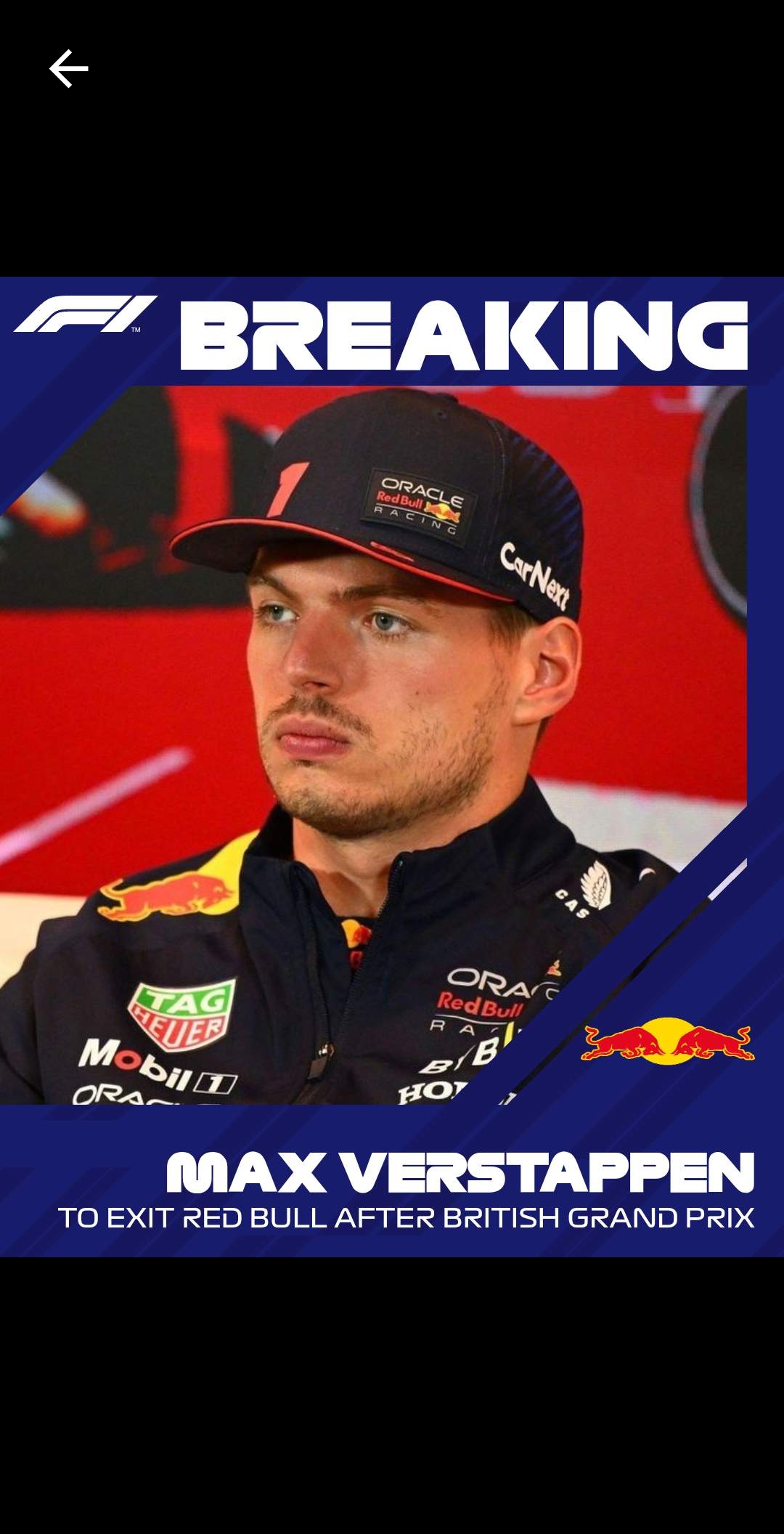
Max Verstappen’s future with Red Bull uncertain as reports emerge of a potential championship exit clause…Max Verstappen’s Red Bull Future Uncertain as Exit Clause Reports Emerge
Max Verstappen’s long-term future with Red Bull Racing has once again become a major talking point in Formula 1, with reports suggesting that a championship-related exit clause could potentially give the four-time world champion an opportunity to leave the team before the end of his current contract.
Verstappen remains one of the most important figures in Red Bull’s modern history. Since joining the senior Red Bull team in 2016, the Dutch driver has developed into a dominant force in Formula 1, winning multiple world championships and establishing himself as one of the sport’s leading drivers.
However, the competitive landscape in Formula 1 has changed considerably, and speculation over Verstappen’s future has intensified whenever Red Bull has faced challenges on track.
The latest reports centre on the existence of a performance-related clause in Verstappen’s contract. Such clauses can allow a driver to reconsider their future if certain sporting conditions are not met. The precise details of Verstappen’s agreement have not been publicly confirmed, meaning the reported conditions and timing remain the subject of speculation.
That uncertainty has nevertheless been enough to fuel widespread discussion about what could happen if Verstappen were to become available on the driver market.
Red Bull’s changing competitive picture
For several seasons, Verstappen and Red Bull enjoyed a period of remarkable success. The partnership reached its peak during the dominant 2023 campaign, when Verstappen won 19 of the season’s 22 Grands Prix and secured another world championship.
That level of dominance created an expectation that Red Bull would remain at the front of the grid.
Formula 1, however, is highly sensitive to technical regulation changes. A small advantage in aerodynamic efficiency, tyre management or power-unit performance can make a significant difference over an entire season. As rival teams continue developing their cars, the competitive order can change rapidly.
For Verstappen, remaining in contention for championships is naturally central to his career ambitions. Any suggestion that his contract contains performance conditions therefore carries considerable significance.
It is important to distinguish between confirmed contractual information and media reports. Neither the full contents of Verstappen’s contract nor any specific exit mechanism have been publicly disclosed in their entirety.
Why the speculation matters
The possibility of Verstappen becoming available would have major implications across the F1 grid.
Top teams traditionally build their long-term projects around their leading drivers, and Verstappen’s record makes him an obvious target for any organisation looking to strengthen its lineup.
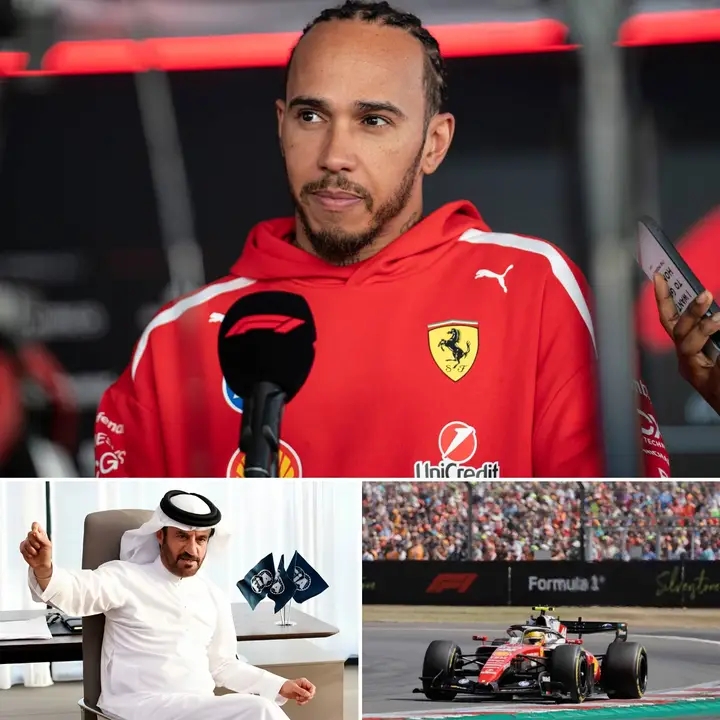
Mercedes has previously been linked with interest in Verstappen, particularly following Lewis Hamilton’s move to Ferrari. Other leading teams could also become part of the conversation depending on their driver contracts, competitiveness and available seats.
For Red Bull, meanwhile, retaining Verstappen would remain strategically important. The team has invested years in developing its relationship with the Dutch driver, while Verstappen has played a central role in the team’s championship successes.
His departure would therefore represent much more than a change in the driver lineup. It could affect Red Bull’s competitive plans, technical development and approach to the future.
Verstappen’s position
Verstappen has consistently emphasised the importance of having a competitive car and enjoying a strong working environment. While speculation about his future is common, the driver has generally avoided providing definitive answers about hypothetical moves until decisions actually need to be made.
That approach is understandable in a sport where driver contracts, technical regulations and team performance can change quickly.
The Dutchman has also demonstrated that he is willing to consider the wider direction of a project rather than focusing solely on short-term results. Red Bull’s future plans, including its transition to its next-generation power-unit programme, could therefore be relevant to any long-term decision.
The arrival of new technical regulations can create opportunities as well as risks. A team that struggles under one set of rules can potentially become a championship contender after a regulation change, while a dominant team can lose its advantage.
For Verstappen, the key question will ultimately be whether Red Bull can provide him with a package capable of consistently competing for victories and world championships.
Red Bull’s challenge
Red Bull will be keen to prevent speculation from becoming a distraction.
The team has already experienced significant changes behind the scenes in recent years, while Formula 1’s competitive environment continues to evolve. Maintaining stability around its leading driver could therefore be an important part of its strategy.
A championship-level driver also provides valuable feedback to engineers and contributes to the development direction of a car. Verstappen’s ability to extract performance from difficult machinery has been repeatedly highlighted throughout his career.
Keeping him satisfied will consequently require more than simply offering a competitive salary. The performance of the car, the team’s technical direction and its confidence in future regulations are all likely to matter.
What happens next?
At this stage, the reported exit clause should be viewed cautiously. Contractual details are rarely made fully public, and media reports can differ significantly in their interpretation of private agreements.
The most important indicators will therefore come from Verstappen himself, Red Bull and the team’s performance on the track.
If Red Bull remains capable of challenging for championships, speculation about a potential departure may have little practical consequence. If the team falls significantly behind its rivals, however, questions about Verstappen’s contractual options could become increasingly important.
The situation could also depend on timing. Driver markets can move quickly, particularly when a world champion becomes potentially available. Teams may need to make decisions about their own driver lineups well before an official announcement is made.
For now, Verstappen remains a Red Bull driver, and there has been no confirmed announcement that he intends to leave the team.
Nevertheless, reports of a potential championship-related exit clause have added another layer of intrigue to his future.
After years of success together, Red Bull and Verstappen have established one of the defining partnerships of the modern Formula 1 era. Whether that relationship continues well into the future will depend on a combination of contractual details, competitive performance and the ambitions of both sides.
As Formula 1 continues to evolve, Verstappen’s future is likely to remain one of the biggest stories in the paddock. Until the driver or team confirms otherwise, however, any claims about a departure should be treated as speculation rather than a completed move.
One thing is certain: with a driver of Verstappen’s calibre potentially at the centre of the future driver market, even a reported contract clause can generate enormous interest across Formula 1.