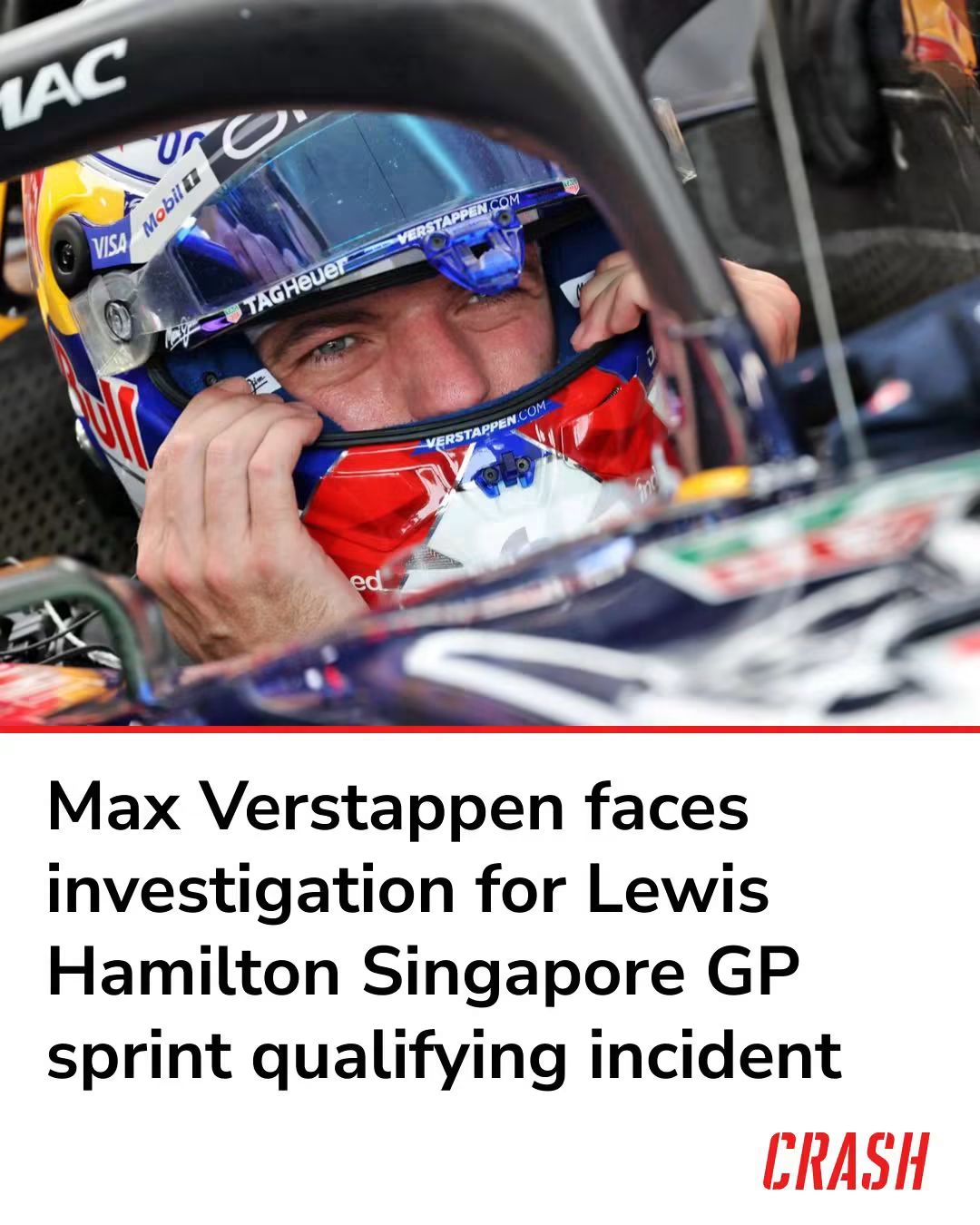
Max Verstappen is once again in the spotlight for all the wrong reasons after a tense moment during sprint qualifying at the Singapore Grand Prix. The four-time world champion faces a formal investigation for overtaking Lewis Hamilton under yellow flags in SQ1 at the Marina Bay Street Circuit, an incident that has reignited debates about safety protocols, driver judgment under pressure, and the consistency of Formula 1 stewards’ decisions.
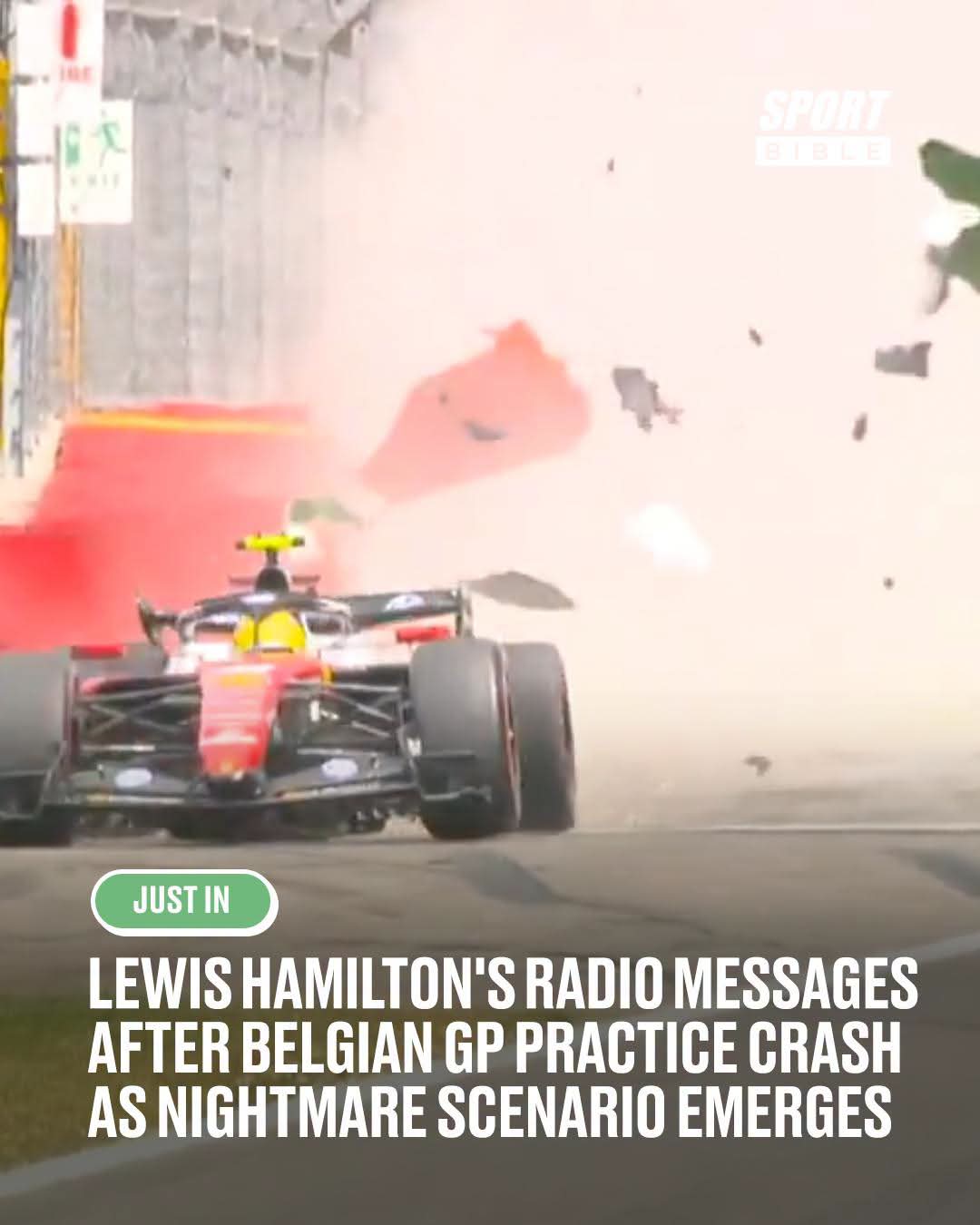
The flashpoint came after Sergio Perez clattered the barriers at Turn 5 in his Cadillac, scattering debris and triggering yellow flags before a brief red-flag interruption. Hamilton, slowing appropriately for the caution, was passed by Verstappen. The Ferrari driver immediately reported the move over team radio. Verstappen responded on his own radio that he had let Hamilton back through. Stewards initially noted the incident before confirming a full post-session investigation. A grid penalty remains a real possibility if they deem it a clear infringement.
WHY THIS INCIDENT MATTERS FAR BEYOND ONE OVERTAKE
Yellow-flag rules exist for a simple reason: safety on a tight, unforgiving street circuit like Marina Bay. Debris from Perez’s contact created a genuine hazard. Drivers must slow and avoid gaining an advantage. Overtaking under those conditions is rarely treated lightly because it undermines the entire system designed to protect everyone on track.
For Verstappen, the stakes are elevated. He topped SQ1 with a strong lap after the restart, showing the Red Bull still has pace even if the car has not dominated every session this season. A grid drop for the sprint would hand an advantage to rivals and complicate Red Bull’s recovery strategy on a track where overtaking is notoriously difficult. Singapore has always been a black mark on Verstappen’s record — he has never won here — and any penalty would only add to the challenge of converting strong single-lap pace into results.
The broader impact hits teams, the championship picture, and the sport’s credibility. Red Bull must prepare contingency plans for both the sprint and the main race grid. Ferrari gains a psychological edge if Hamilton’s complaint is validated. Other teams watching the outcome will calibrate their own risk thresholds for future yellow-flag situations. In a season already defined by tight racing and occasional power-unit dramas, another high-profile stewards’ call reinforces or erodes trust in the process.
THE HAMILTON-VERSTAPPEN RIVALRY ADDS EXTRA EDGE
This is not just any two drivers. The long-running tension between Verstappen and Hamilton means every on-track moment between them carries extra scrutiny. Hamilton’s radio call was immediate and pointed. Verstappen’s insistence that he restored the position shows he knew the optics were poor. Replays will decide whether the overtake was a genuine breach or a momentary misjudgment corrected in time.
Historically, stewards have taken a dim view of yellow-flag overtakes. Grid penalties are common when the evidence is clear. Yet past Singapore weekends have produced mixed outcomes for Verstappen on impeding and related matters, leaving some teams frustrated by perceived inconsistency. That history will hang over this hearing. Drivers and team principals will watch closely to see whether the stewards apply the letter of the regulations or find mitigating circumstances in the chaotic end to SQ1.
PREDICTIONS AND THE WEEKEND AHEAD
A three- or five-place grid drop for the sprint feels the most likely outcome if the stewards rule against Verstappen. Letting Hamilton back through may reduce the severity but is unlikely to erase the infringement entirely. A pure reprimand is possible only if data shows no clear advantage was gained and the position was restored almost immediately. Either way, the decision will shape the sprint race strategy for Red Bull and influence how aggressively other drivers treat yellows later in the weekend.
Looking further ahead, this episode highlights ongoing challenges with the sprint format. Limited practice time increases the pressure to extract every tenth, which can lead to borderline decisions. Marina Bay’s walls leave little margin for error, so the sport needs clear, consistently applied rules. Fans want racing; they also want fairness and safety. How the stewards handle this case will set a tone for the remaining races of the 2026 season.
Verstappen’s recent first win of the year at the Bahrain Grand Prix (run at Sepang) showed he and Red Bull can still deliver under pressure. Singapore has always demanded more than pure speed — it rewards precision, patience, and clean weekends. An investigation is the last thing anyone in the Red Bull garage wanted after a solid SQ1 performance. The outcome will not only affect this weekend’s results but also feed into the larger narrative of how Formula 1 polices its most high-profile drivers when the flags come out.