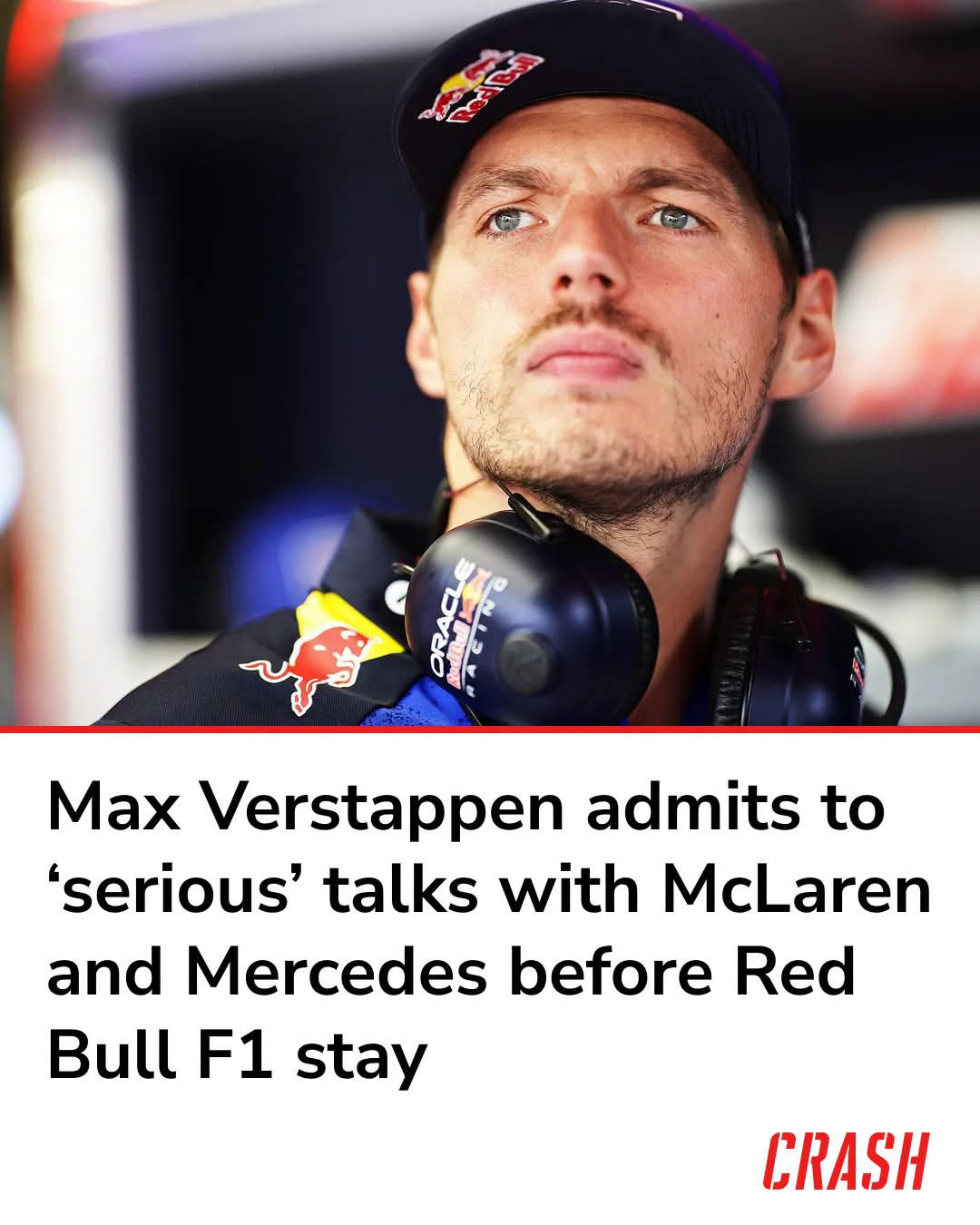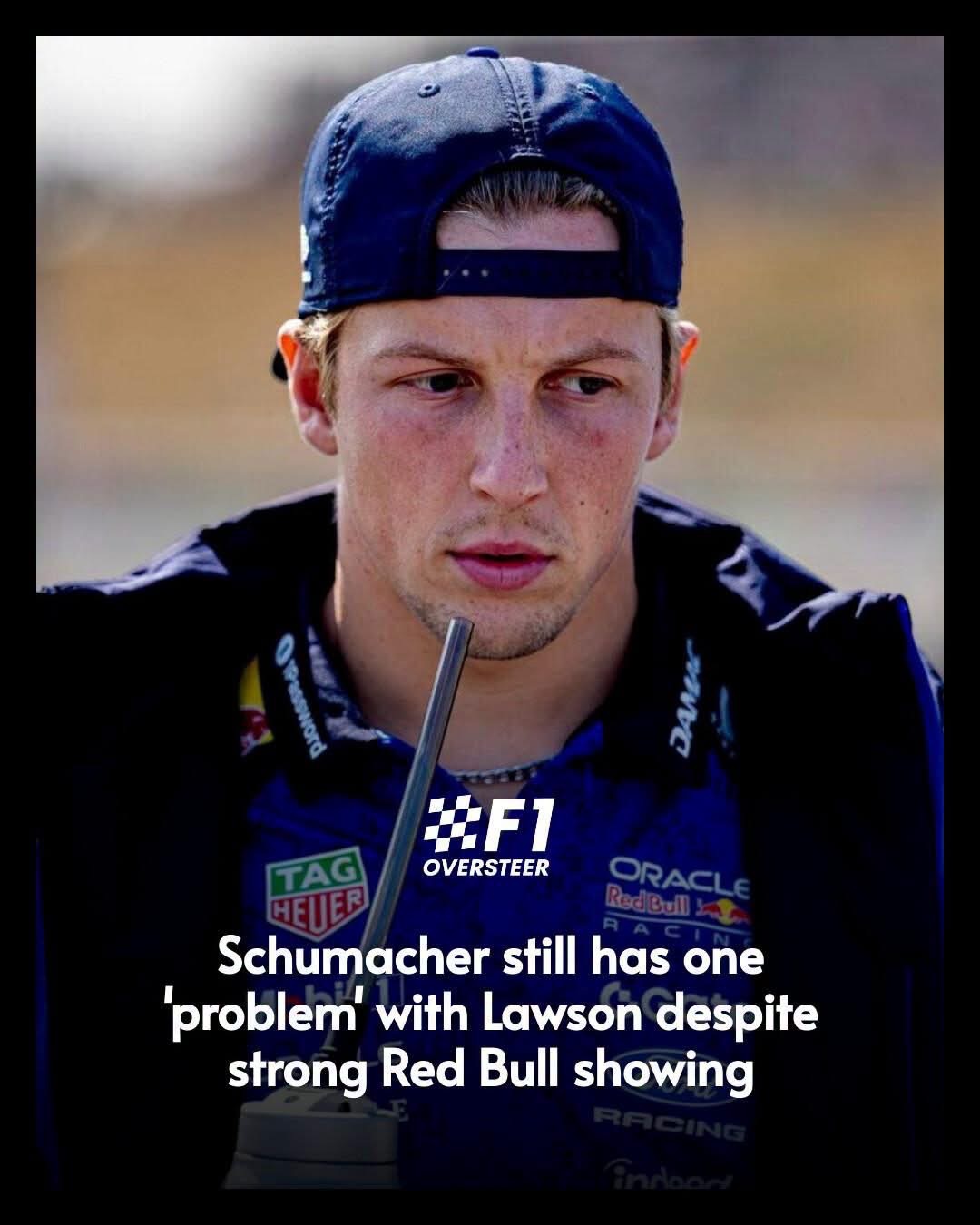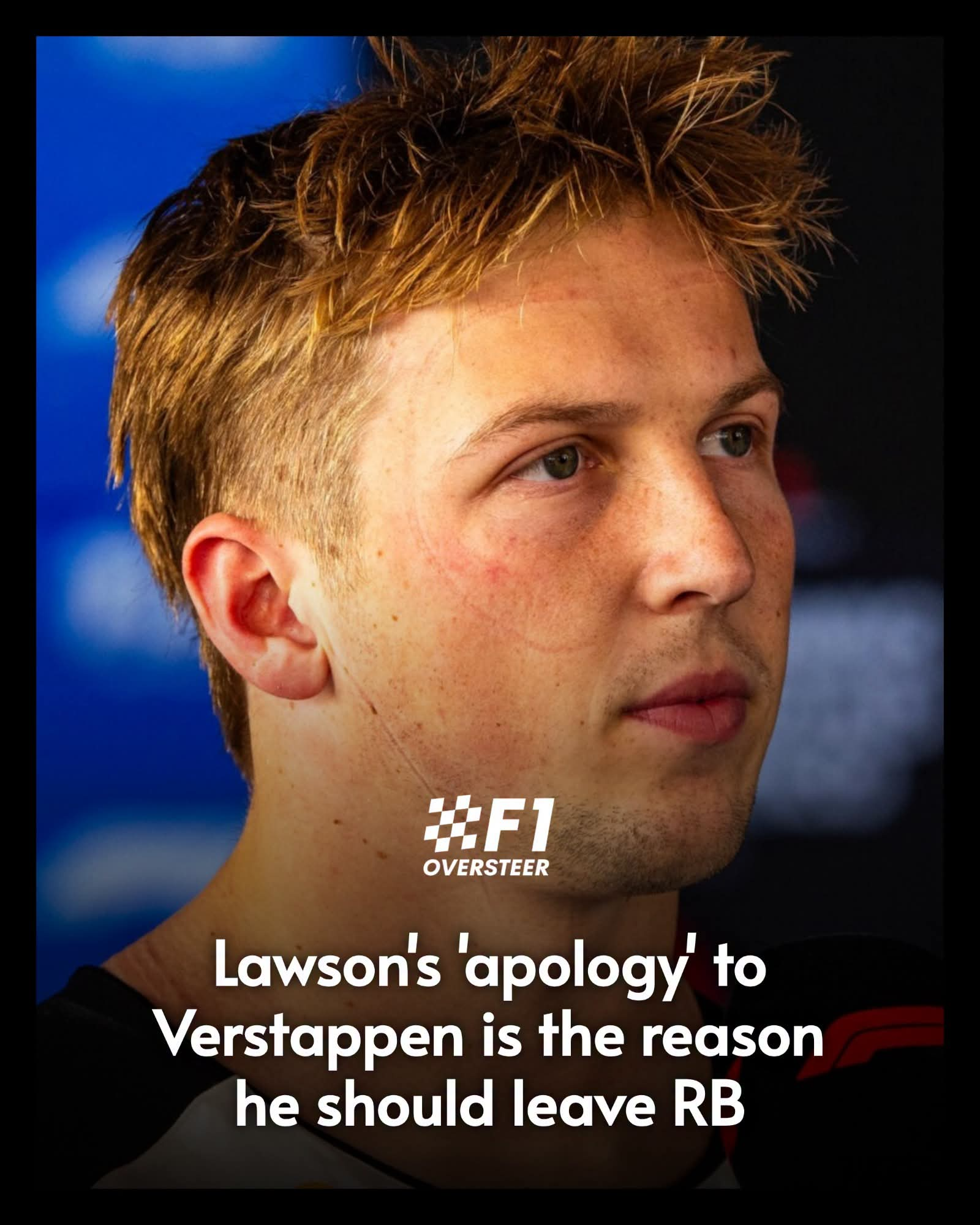
Liam Lawson’s apology to Max Verstappen after their controversial collision at the Mexican Grand Prix has raised an uncomfortable question about his future within the Red Bull driver programme. The New Zealander admitted that he personally approached Verstappen to apologise, despite both drivers receiving identical one-place grid penalties for their clash during Friday’s second practice session. While Lawson’s decision may have been an attempt to put the incident behind them, it has also highlighted the difficult position he occupies within Red Bull’s wider Formula 1 structure.
Speaking to Sky Sports after qualifying, Lawson explained that he wanted to prevent a similar situation from happening again. “I went to see Max this morning to apologise because what happened doesn’t need to happen and I don’t want it to happen in future,” he said. His comments came after another impressive qualifying performance in Mexico, where he secured eighth place for the fifth time this season before his penalty pushed him down the starting order. Instead of celebrating his performance, however, much of the attention shifted towards his relationship with Verstappen and the consequences of their disagreement.
WHY LAWSON’S APOLOGY HAS SPARKED A BIGGER RED BULL DEBATE
The most interesting part of this situation is not necessarily the apology itself, but what it represents. The FIA stewards held both drivers responsible for the incident and handed them identical penalties. That decision established that neither driver escaped responsibility. Yet Lawson’s public admission that he went to Verstappen to apologise has created the impression that he felt a greater need to repair the relationship.
That perception becomes more significant when considering Lawson’s uncertain position in the Red Bull system. His future has been linked to competition from younger prospects, including Nikola Tsolov, while teammate Arvid Lindblad is also part of the team’s long-term plans. In such circumstances, any disagreement involving Verstappen could become an additional distraction for a driver already trying to secure his place on the grid.
However, it would be premature to conclude that Lawson was forced to apologise by Red Bull management. He has not claimed that anybody ordered him to do so. His explanation was that he wanted to avoid another unnecessary incident. Still, the wider questions about the power dynamics within the Red Bull family are unlikely to disappear.
LAWSON SHOULD STOP WAITING FOR RED BULL TO BUILD A FUTURE AROUND HIM
Lawson’s greatest challenge may be that his Formula 1 future remains tied to an organisation with several young drivers competing for limited opportunities. Even strong performances do not automatically guarantee long-term security when a team has a deep junior programme and constantly evaluates alternative options.
His previous experience at Red Bull Racing also makes the situation more complicated. Lawson was promoted to the senior team before being moved back to Racing Bulls, and that experience demonstrated how quickly circumstances can change within the organisation. Returning to the senior seat is not a realistic career plan unless Red Bull sees him as its preferred long-term option.
The New Zealander needs a project where his performances are judged primarily on what he delivers on track, rather than the politics surrounding the team’s driver structure. If another competitive team offers him a stable opportunity, leaving the Red Bull family could be the most sensible move for his career.
CADILLAC COULD OFFER LAWSON THE FRESH START HE NEEDS
Cadillac is one potential destination worth watching. The American manufacturer is building its Formula 1 operation and will need drivers capable of contributing to a developing team. Lawson’s experience, age and familiarity with the demands of modern F1 could make him an interesting candidate.
Karun Chandhok has previously suggested that Cadillac should consider Lawson, although no confirmed agreement has emerged. A move would not necessarily guarantee immediate success, particularly because a new team faces enormous technical and operational challenges. Nevertheless, it could give Lawson something he cannot take for granted within Red Bull: the opportunity to become a central part of a long-term project.
For Cadillac, signing a driver who has already experienced the pressure of competing within a major F1 organisation could also provide valuable experience as it establishes itself on the grid.
THE MEXICO INCIDENT COULD BECOME A TURNING POINT
Lawson’s apology may help calm tensions with Verstappen, but it does not resolve the bigger uncertainty surrounding his future. His qualifying performances have demonstrated that he can deliver competitive results, yet his position within the Red Bull system remains vulnerable.
The situation also exposes a wider problem with Red Bull’s driver development strategy: young drivers need opportunities to establish themselves without constantly wondering whether the next junior prospect will take their place. Competition is part of Formula 1, but long-term confidence and stability are equally important when building a driver’s career.
My position is clear: Liam Lawson should seriously consider leaving Red Bull rather than spending another season fighting for security inside a system that has already shown how quickly it can change its mind. He does not need to become Max Verstappen’s rival, nor should he expect special treatment. He needs a team prepared to invest in him, trust his abilities and give him a genuine long-term opportunity.
The Mexican Grand Prix apology might close one chapter of the Verstappen-Lawson disagreement, but the bigger question remains: how many more seasons should Lawson spend proving himself before choosing a different path?