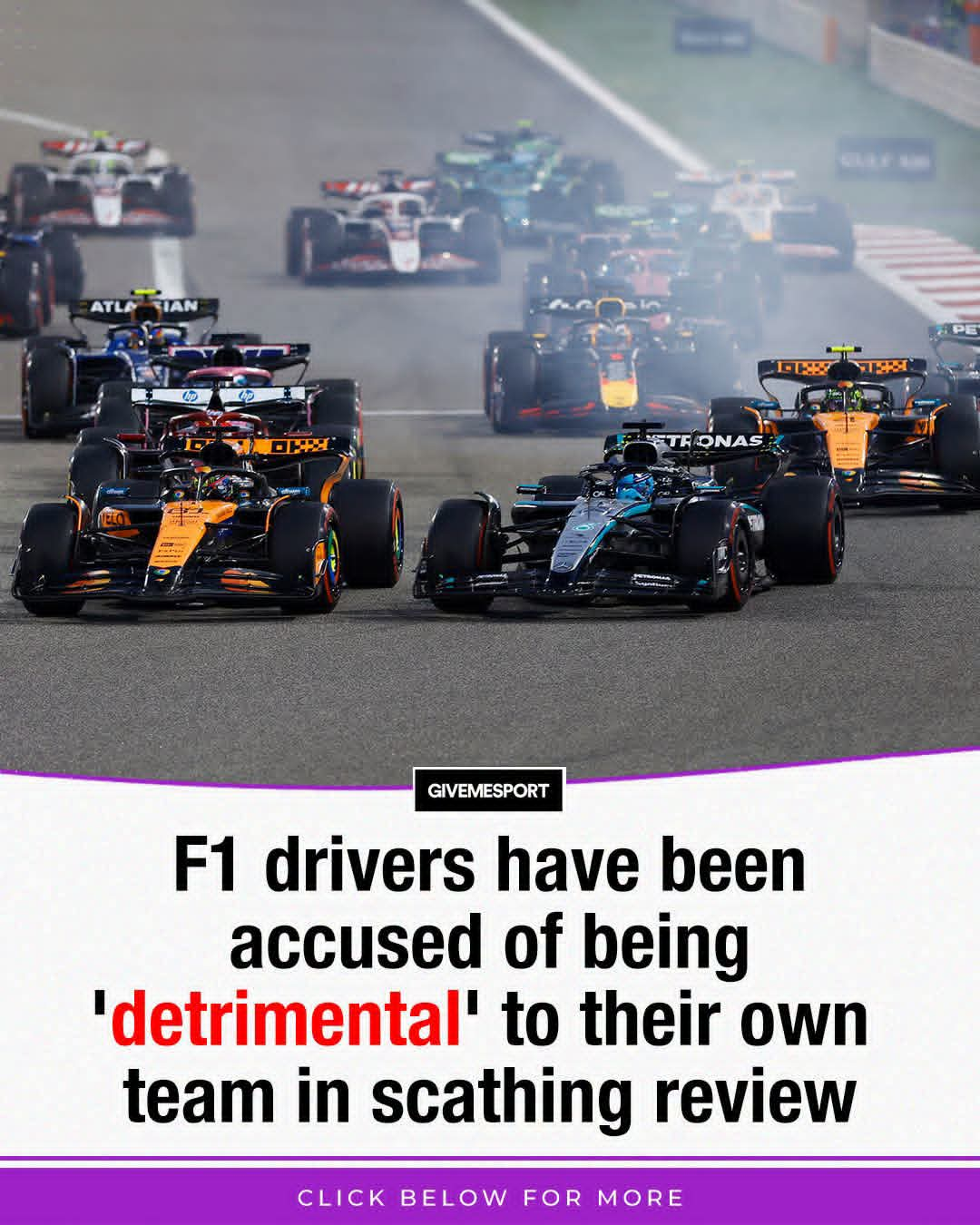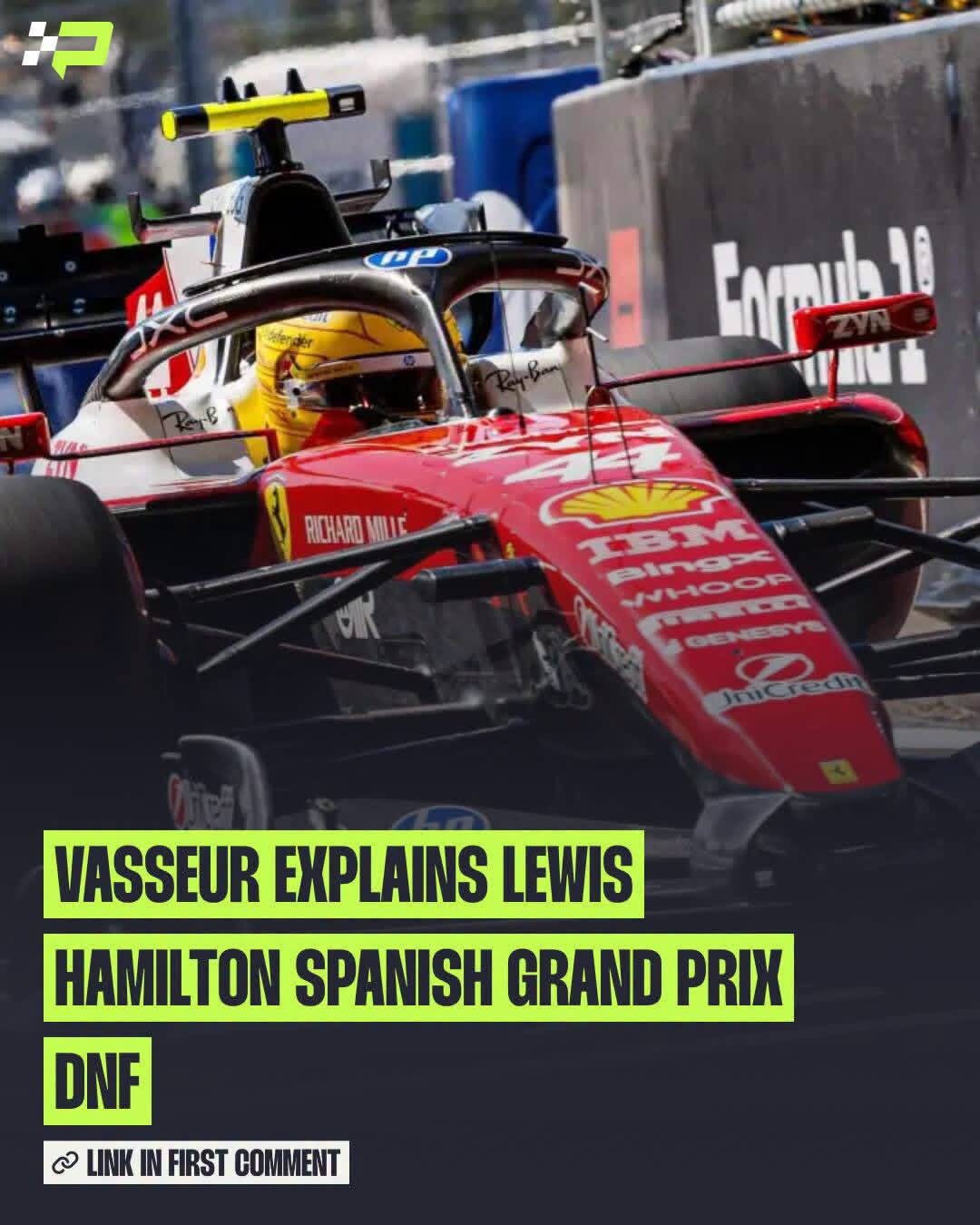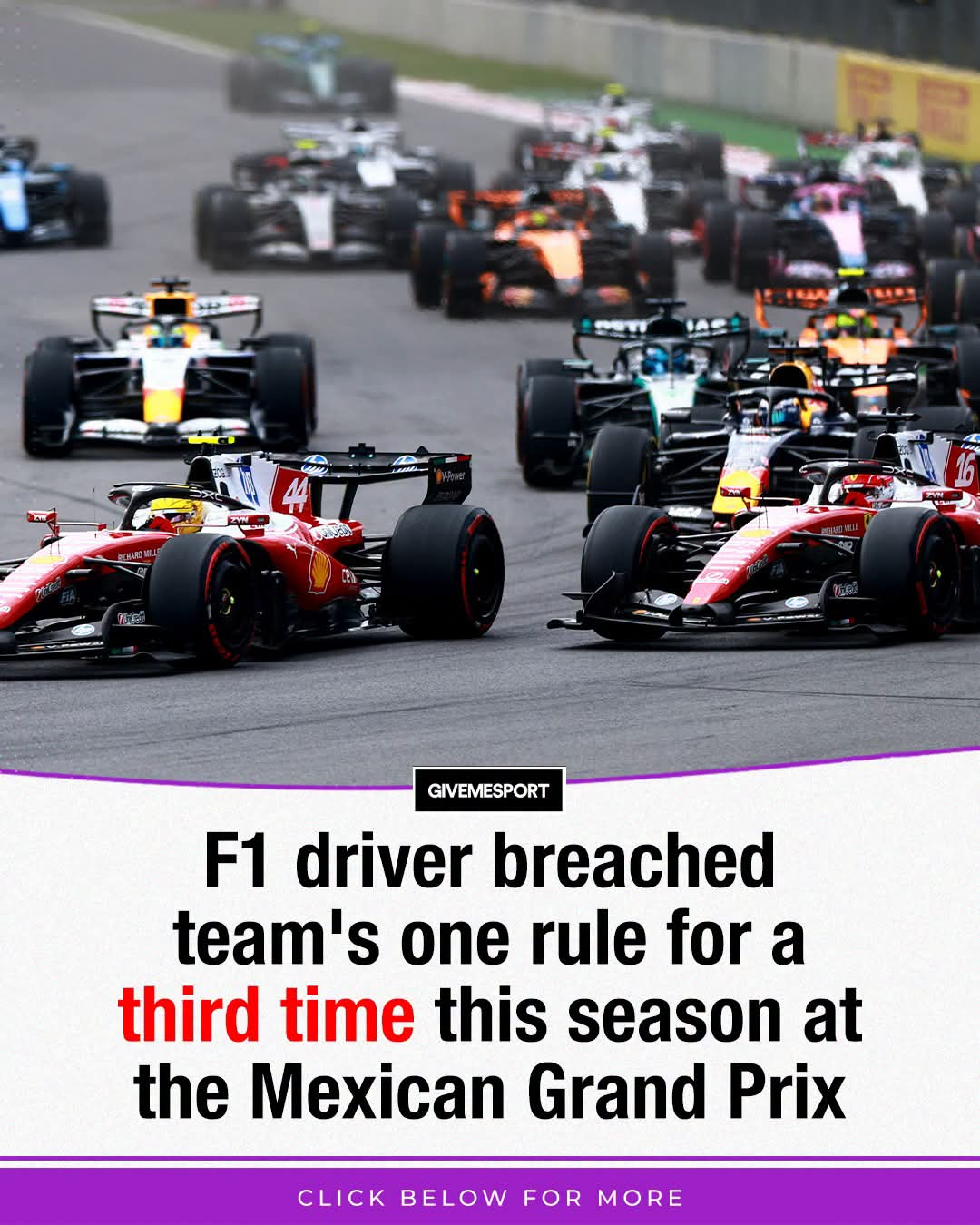
Liam Lawson has reportedly broken one of Red Bull’s most controversial unwritten rules for the third time this season following his explosive confrontation with Max Verstappen during Mexican Grand Prix practice. The Racing Bulls driver found himself at the centre of a dramatic FP2 incident after refusing to yield to the four-time world champion, triggering a collision that attracted criticism from both Red Bull and Racing Bulls management. With Lawson still fighting to secure his Formula 1 future for 2027, the latest controversy has raised fresh questions about his relationship with Verstappen and the expectations surrounding drivers within the Red Bull family.
LIAM LAWSON AND MAX VERSTAPPEN COLLIDE DURING MEXICAN GP FP2
The Mexican Grand Prix weekend produced plenty of drama before the race itself, with Lawson and Verstappen becoming involved in one of the most controversial practice incidents.
Lawson returned to the Racing Bulls cockpit for FP2 after missing the opening practice session, which had been used to satisfy the team’s rookie-driver requirements.
During the session, Lawson and Verstappen encountered each other at Turn 12. The New Zealander reportedly refused to yield to the Red Bull driver, forcing Verstappen off the circuit.
The situation escalated when Verstappen returned to the track in what was described as an unsafe manner, resulting in a minor collision between the two cars.
The incident immediately attracted attention across the paddock, with both drivers facing criticism from their respective team leadership.
Red Bull team principal Laurent Mekies and Racing Bulls team principal Alan Permane reportedly described the collision as unacceptable, making it clear that neither side was satisfied with what happened.
Verstappen also expressed frustration with Lawson, suggesting that the young driver needed to make smarter decisions, particularly while attempting to secure a place on the 2027 Formula 1 grid.
THE CONTROVERSIAL RED BULL RULE LIAM LAWSON ALLEGEDLY BROKE AGAIN
The most intriguing aspect of the incident is the claim that Lawson had once again violated an unwritten expectation surrounding Verstappen within the Red Bull organisation.
According to the GiveMeSport report, drivers within the Red Bull family are expected not to challenge Verstappen aggressively, regardless of the circumstances.
The publication described this alleged expectation as a golden rule, suggesting that Lawson had already violated it during previous incidents in Miami and Malaysia.
However, the claim should be treated carefully. No publicly confirmed official Red Bull regulation establishes that drivers are forbidden from racing or challenging Verstappen. The reported rule appears to refer to an alleged internal expectation rather than a documented sporting instruction.
That distinction matters because Formula 1 drivers are expected to compete professionally, regardless of whether they share an organisation or operate under the same driver-development structure.
If Lawson genuinely believes he must avoid challenging Verstappen to protect his career, that would raise serious questions about the competitive environment surrounding Red Bull’s junior drivers.
MAX VERSTAPPEN’S REACTION ADDS PRESSURE TO LAWSON’S F1 FUTURE
Verstappen’s criticism of Lawson following the incident has added another layer of tension to the situation.
The Dutchman reportedly urged Lawson to be smarter, particularly because the Racing Bulls driver remains under pressure to demonstrate that he deserves a seat for 2027.
For Lawson, the timing could hardly be more complicated.
Formula 1 teams are already evaluating their future driver lineups, and every practice session provides an opportunity for drivers to demonstrate their abilities, professionalism and consistency.
A confrontation with Verstappen might therefore create unwanted attention at a time when Lawson needs to convince decision-makers that he can deliver strong performances without unnecessary controversy.
Nevertheless, the New Zealander’s determination to compete aggressively should not automatically be interpreted as a weakness.
Formula 1 rewards drivers who defend their positions, challenge competitors and refuse to surrender opportunities without a fight.
The important question is whether Lawson can maintain that competitive aggression while avoiding incidents that unnecessarily damage his reputation.
LAWSON’S MEXICAN GP RECOVERY SHOWS HIS POTENTIAL
Despite the controversy surrounding practice, Lawson delivered an impressive recovery during the Mexican Grand Prix itself.
The Racing Bulls driver reportedly started from the pit lane but managed to fight his way through the field to finish seventh.
That result demonstrated the kind of determination and racecraft that could strengthen his argument for remaining on the Formula 1 grid.
His performance also offered an important contrast to the practice-session controversy.
While the collision with Verstappen created unwanted headlines, Lawson’s race demonstrated that he remains capable of producing valuable results when given the opportunity.
For Racing Bulls, that combination of aggression and performance could be important when evaluating the driver’s future.
However, a single impressive result is unlikely to settle every question surrounding his position within the Red Bull programme.
RED BULL’S DRIVER CULTURE FACES AN IMPORTANT QUESTION
The alleged golden rule surrounding Verstappen raises a broader issue about how Formula 1 teams manage relationships between drivers.
Every organisation must balance individual competitiveness with team objectives, particularly when drivers share technical resources, sponsorship obligations and championship ambitions.
However, allowing one driver to enjoy unquestioned authority over teammates or affiliated competitors could potentially undermine the competitive principles that make Formula 1 exciting.
If Lawson is expected to avoid challenging Verstappen simply because of their organisational connections, the arrangement would inevitably create controversy.
Drivers should be able to compete hard while respecting safety regulations and professional standards.
At the same time, Verstappen’s position as Red Bull’s established championship-winning driver means the organisation will naturally prioritise protecting its major competitive asset.
Finding the balance between those interests remains one of the most complicated challenges facing Formula 1 teams.
LIAM LAWSON MUST TURN CONTROVERSY INTO RESULTS BEFORE 2027
With only four races remaining in the 2026 season at the time of the Mexican Grand Prix, Lawson faces an important opportunity to strengthen his position.
His seventh-place finish in Mexico demonstrated that he can deliver results under difficult circumstances.
However, the practice incident with Verstappen also highlighted the importance of managing pressure, making intelligent decisions and maintaining professional relationships within the paddock.
Lawson cannot afford to allow controversial incidents to overshadow his performances, particularly when his future remains uncertain.
The coming races could therefore become decisive in determining whether the New Zealander remains part of Formula 1’s competitive landscape in 2027.
Ultimately, Lawson’s biggest challenge may not simply be proving that he can race aggressively. It will be demonstrating that he can combine that aggression with consistency, discipline and the ability to deliver results when the pressure is highest.