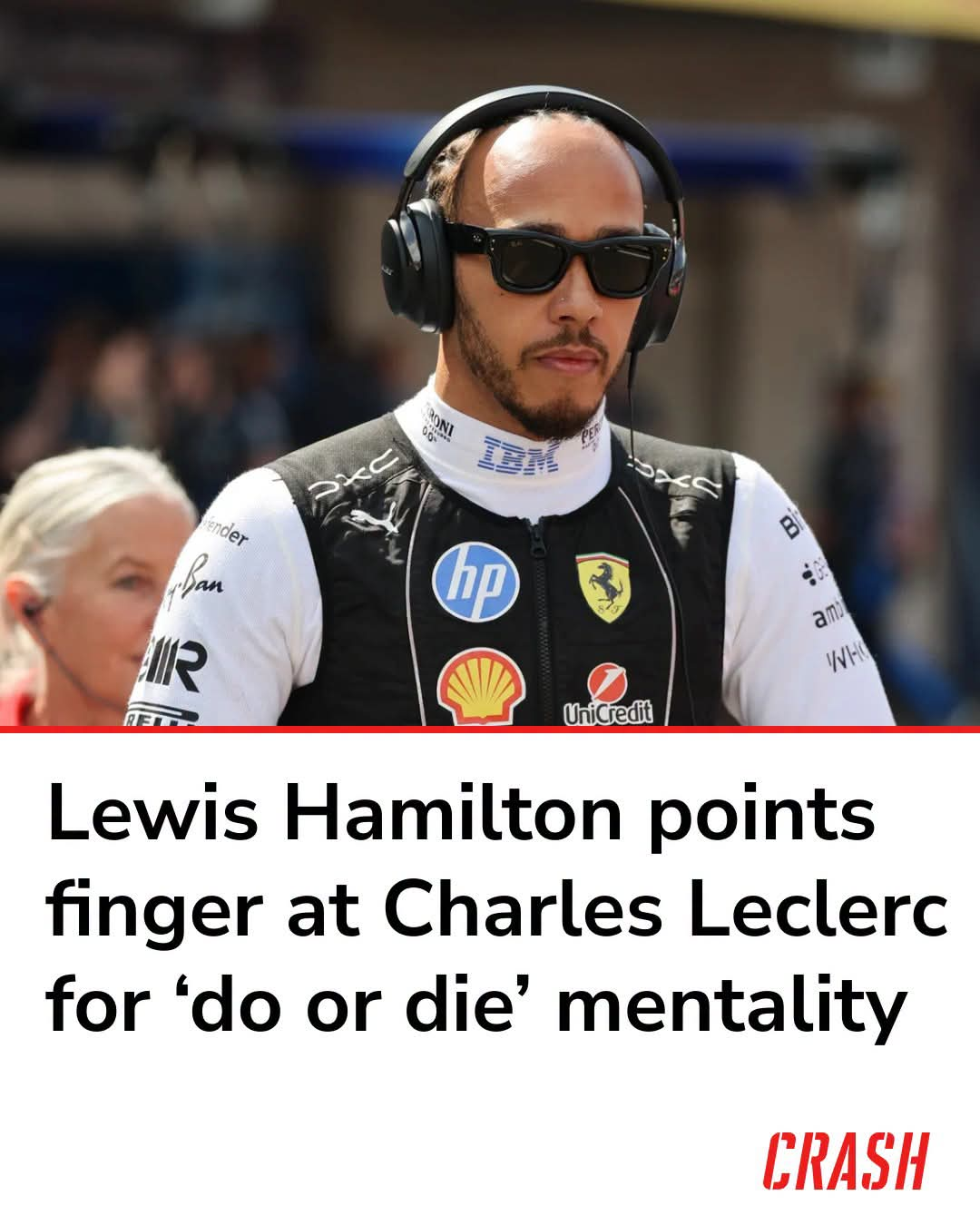
Lewis Hamilton has never been one to mince words when the stakes are high. After another fractious Las Vegas Grand Prix that saw him tangle with teammate Charles Leclerc, the seven-time world champion delivered a pointed assessment of Ferrari’s approach this season. Hamilton believes that stronger, more decisive support from the team at a pivotal mid-season moment could have allowed him to challenge — and potentially overcome — Mercedes’ Kimi Antonelli in the fight for the 2026 Formula 1 Drivers’ Championship.
The comments, made in the aftermath of the Las Vegas race, have reignited debate about team orders, driver hierarchy, and what it truly takes to convert competitive cars into titles at the highest level of motorsport.
THE CRITICAL JUNCTURE HAMILTON HIGHLIGHTED
Hamilton pointed specifically to the period following his first victory for Ferrari in Barcelona. At that stage he sat second in the standings, roughly 41 points behind Antonelli and a clear 40 points ahead of Leclerc. He remained the closest realistic challenger to the young Mercedes driver for a significant stretch of the season, holding second after races including Monaco, Belgium, and Hungary.
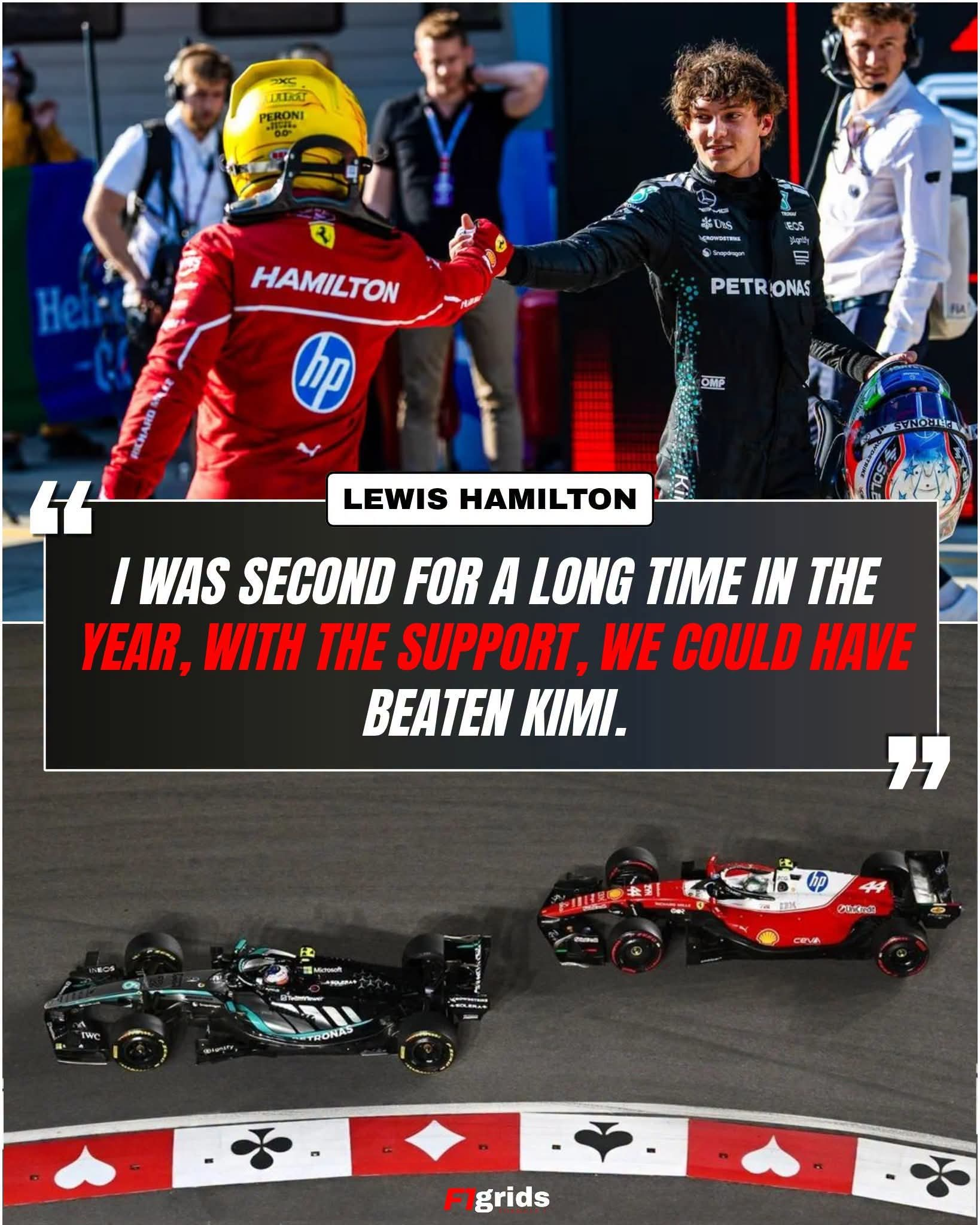
“I’ve never asked to be the number one,” Hamilton said. “I genuinely haven’t. But there was a point in the season where I was 40 points ahead and, at that point, the fight was with me and Kimi. I was the closest one to him. I was second for a long time in the year, and at that point I needed the backing to make sure we beat Kimi. There were a few instances in the season where, with the support, I think we could have beaten Kimi in that battle.”
Those words carry weight. Antonelli went on to seal the title in Mexico, becoming the youngest world champion in Formula 1 history and the first Italian to claim the crown since Alberto Ascari in 1953. Mercedes also secured the Constructors’ Championship. Hamilton’s claim is not that Ferrari sabotaged him, but that a more focused allocation of resources, strategy, and priority at the right time might have kept the pressure on Antonelli and altered the trajectory of the season.
WHY THIS MATTERS FOR FERRARI, HAMILTON, AND THE SPORT
Ferrari’s equal-status philosophy between Hamilton and Leclerc has been both a strength and a vulnerability. On paper it promotes healthy internal competition and avoids the resentment that can poison a garage. In practice, when one driver is clearly better positioned to challenge for the title, the lack of a clear number-one can cost points in the margins — strategic calls, development focus, and on-track deference.
The repeated on-track incidents between the two Ferraris, including the clash in Las Vegas that left Hamilton spinning and both drivers compromised, only amplified the issue. Team principal Fred Vasseur called the contact “completely unacceptable.” Those moments are not just lost positions; they are lost opportunities in a championship where every point against a dominant rival like Antonelli matters.
For Hamilton, now 41 and in his second season with the Scuderia, the comments reflect both ambition and frustration. He joined Ferrari seeking the eighth title that has eluded him since 2020. A mid-season surge that put him within striking distance of the leader, only for the gap to grow as the team’s form fluctuated and internal battles intensified, is the kind of near-miss that lingers. Finishing as high as second would still represent his strongest championship position since the dramatic 2021 season, but the gap to Verstappen in the remaining races has made even that more complicated.
The broader impact reaches the sport itself. Formula 1 thrives on narratives of mentorship, succession, and what-if scenarios. Antonelli, a product of the Mercedes junior program and the driver who effectively replaced Hamilton at the team, has delivered a season of remarkable consistency and maturity. Hamilton’s public praise for the Italian earlier in the year, combined with this later reflection on what might have been, creates a compelling multi-generational storyline. It also puts pressure on Ferrari’s leadership heading into 2027 and beyond: can a team with two elite drivers maintain parity without sacrificing championship opportunities?
UNIQUE INSIGHTS AND THE ROAD AHEAD
What stands out is Hamilton’s careful framing. He did not accuse Ferrari of favoritism toward Leclerc. He simply noted that when the mathematics of the championship favored concentrating resources behind one car, the team continued operating under a dual-driver model. History shows that successful title campaigns often require hard choices — Ferrari itself has made them in the past with Schumacher, and Mercedes did so during Hamilton’s dominant years.
Looking forward, these comments may influence how Ferrari approaches the final races and the 2027 car development cycle. With the current regulations still relatively new, the team that best balances internal competition with clear championship prioritization will hold an edge. For Hamilton, the remaining rounds in Qatar and Abu Dhabi offer a chance to salvage the highest possible finish and build momentum. For Antonelli and Mercedes, the focus shifts to consolidating their dual titles and preparing for the next challenge from a revitalized Ferrari and a resurgent Red Bull.
Hamilton’s remarks also serve as a reminder of the razor-thin margins in modern Formula 1. A handful of better-supported weekends, a few cleaner strategic calls, and a clearer hierarchy at the right moment might not have guaranteed an eighth title, but they could have made the fight far more intense. In a sport defined by both individual brilliance and collective execution, that distinction is everything.
The 2026 season will be remembered for Antonelli’s historic breakthrough. Yet Hamilton’s post-Las Vegas reflections ensure it will also be remembered for the unanswered question of what Ferrari might have achieved with a more decisive approach when the opportunity was there. In Formula 1, those questions often shape the seasons that follow.