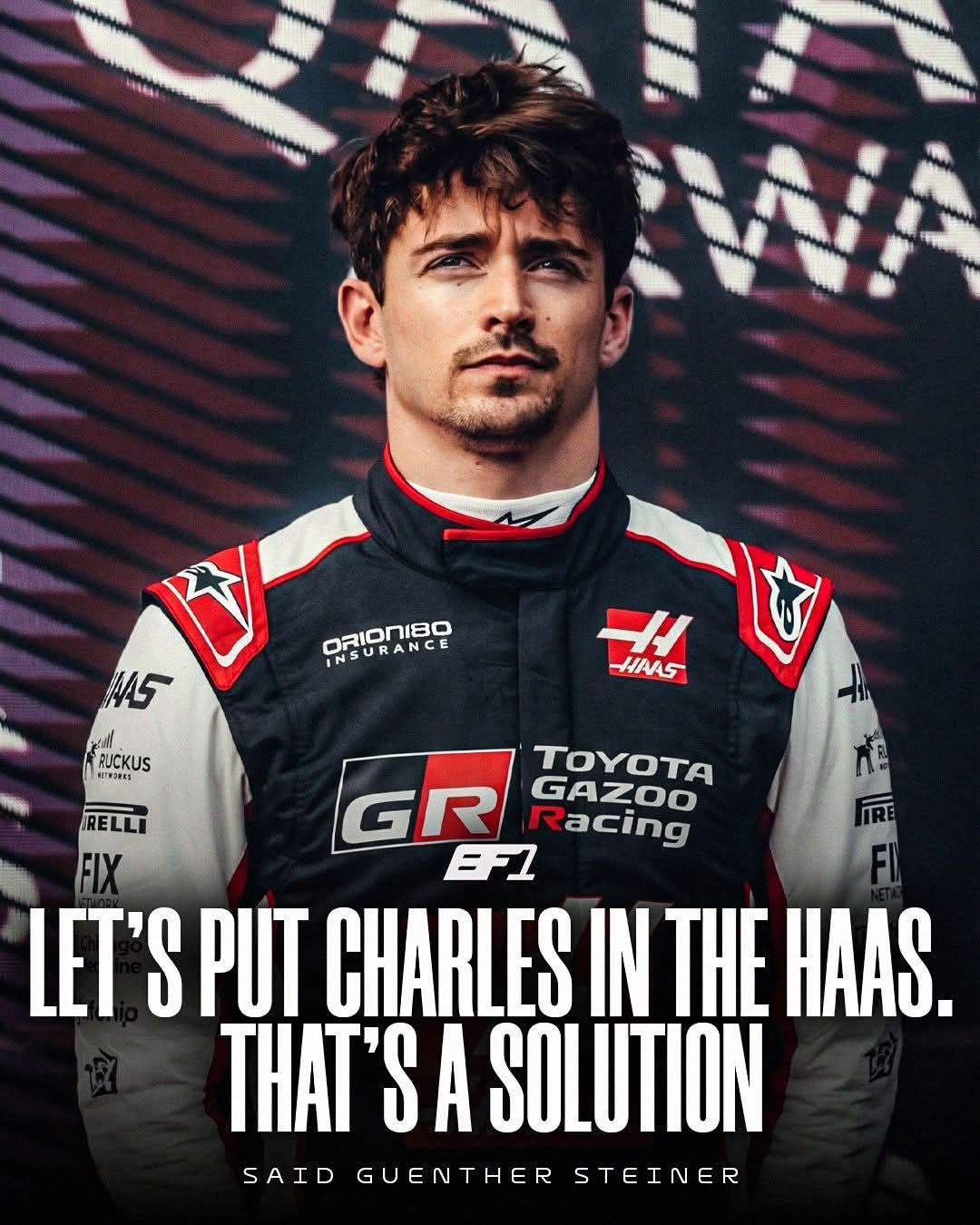
Former Haas team principal Guenther Steiner has never been one for subtlety. On *The Red Flags Podcast*, the outspoken South Tyrolean floated one of the more memorable ideas of the 2026 Formula 1 season: demote Charles Leclerc to Haas as a direct response to the Monegasque’s collision with teammate Lewis Hamilton at the Las Vegas Grand Prix.
Steiner’s suggestion landed like a well-timed overtake. It was half-serious, half-provocative, and completely on-brand for a man who spent years fighting for every point in the midfield. Whether it is a genuine solution or pure theater, the comment has forced the paddock to confront the growing tension inside Ferrari and the difficult question of how a top team disciplines its own stars.
WHAT HAPPENED IN LAS VEGAS AND WHY IT MATTERS
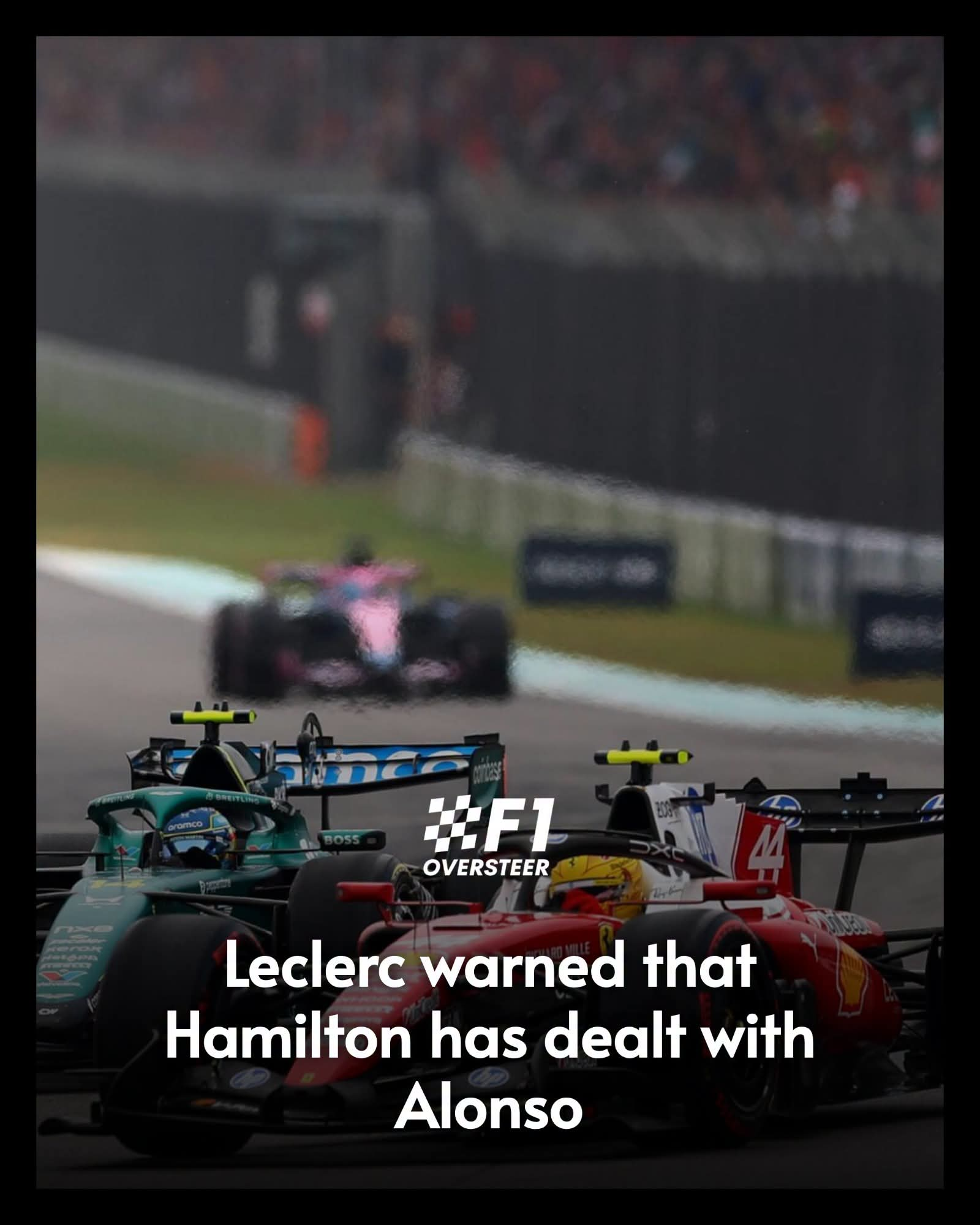
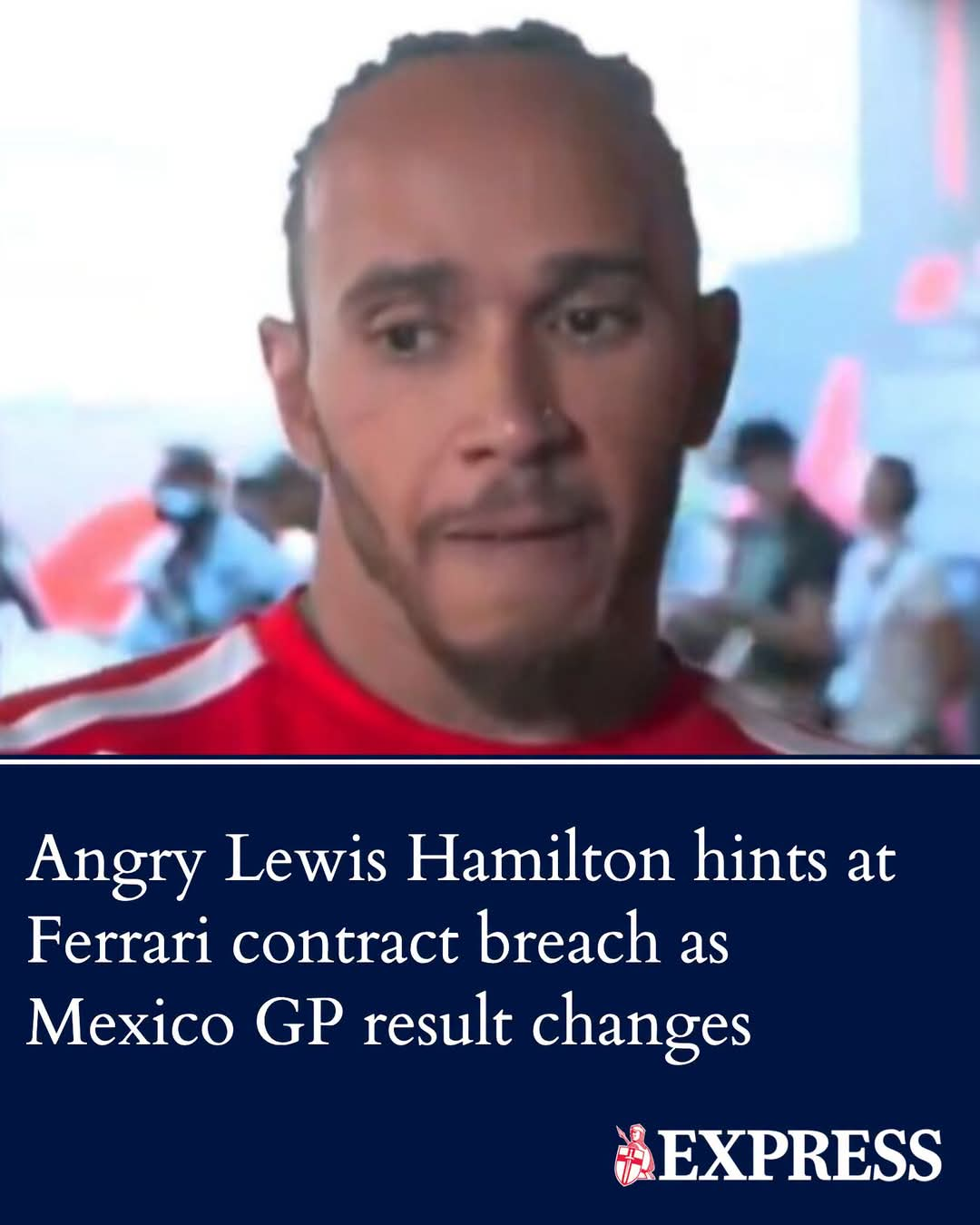
The flashpoint came during the Las Vegas Grand Prix when Leclerc and Hamilton made contact while battling for position. Stewards judged Leclerc responsible and handed him a 10-second time penalty. It was not an isolated incident. The pair had already clashed in Mexico City weeks earlier, forcing Ferrari team principal Fred Vasseur into damage-control mode.
Vasseur later indicated the team would need to “take some measures.” In modern Formula 1, those words carry weight. Ferrari cannot afford internal warfare when every point counts in a tightly contested championship. Steiner, never shy about calling things as he sees them, took the opportunity to escalate the conversation.
STEINER’S PROPOSAL AND THE HISTORY BEHIND IT
Speaking on the podcast after a listener suggested Ferrari drop Leclerc in favor of Oliver Bearman, Steiner ran with the idea in classic fashion. “Let’s put Charles in the Haas. That’s a solution. Has anybody thought about this yet?” he said. He reminded listeners that Leclerc’s first Formula 1 running came in free practice sessions with Haas back in 2016, when Steiner was still running the team.
“If you don’t like it [at Ferrari], we have got a seat for you; go back to where you were,” Steiner continued. He added that simply threatening the move might be enough to change Leclerc’s approach. “Maybe threatening to do this would calm him down already… Everyone would be happy with that, except Charles. But he deserves not to be happy because he created the mess.”
Steiner was careful to note that he likes Leclerc as a person. The criticism was aimed at the on-track behavior and its cost to the team.
IS DEMOTING A STAR DRIVER EVEN REALISTIC?
In pure sporting terms, the idea is almost unworkable. Driver contracts in Formula 1 are complex, multi-year agreements with significant financial and image rights implications. Moving Leclerc to Haas, even temporarily, would require cooperation from both teams, the driver’s management, and likely the FIA regarding entry regulations. Haas already runs Ferrari-powered cars and fields Ferrari juniors; adding a current Ferrari race winner would create a public relations and logistical headache of rare proportions.
Yet the suggestion works as rhetoric. Steiner understands that the threat of losing status can be more powerful than the reality. In a sport where ego and reputation matter almost as much as lap time, the prospect of returning to a midfield seat—even a customer Ferrari one—could focus the mind.
THE REAL IMPACT ON FERRARI, LECLERC, AND THE WIDER PADDOCK
For Ferrari, the bigger issue is management of two high-profile, highly competitive drivers. Hamilton arrived with seven world titles and an unmatched commercial profile. Leclerc remains the long-term project and a driver many still believe can deliver the team’s next championship. When they clash, the team loses points, the media narrative turns toxic, and the engineering group’s work is undermined.
Steiner’s intervention puts public pressure on Vasseur to act decisively. Soft words and private meetings have clearly not been enough. Whether Ferrari chooses internal discipline, revised team orders, or a more dramatic statement, the organization must restore clear hierarchy or risk the season unraveling.
For Leclerc personally, the comments arrive at a sensitive moment. He has carried Ferrari through difficult years and remains one of the grid’s purest talents. Public calls for demotion, even half-joking ones from a respected former team principal, chip away at authority and confidence. At the same time, they serve as a reminder that no driver, however talented, is bigger than the team.
Haas, for its part, would theoretically benefit from the attention and the chance to run a proven race winner. In practice, the team is focused on its own development path with its current lineup. Gene Haas and the current leadership are unlikely to welcome the circus that would accompany such a high-profile “punishment” loan.
BROADER LESSONS FOR FORMULA 1
This episode highlights a recurring challenge in modern Formula 1. Customer and junior team relationships create natural pathways for talent, but they also create awkward political options when things go wrong at the top. Steiner’s idea, however impractical, forces a useful conversation about accountability. Teams invest heavily in driver development and marketing. When those drivers begin costing the team points through avoidable conflict, the organization must have credible levers to pull.
It also underscores how podcasts and former insiders now shape the narrative almost as much as official team statements. Steiner no longer holds a team principal role, yet his voice still carries weight because he speaks with the authority of someone who has lived the commercial and sporting realities of the sport.
PREDICTION: WHAT HAPPENS NEXT
Ferrari will not send Leclerc to Haas. The contractual, sporting, and brand risks are simply too high. What is more likely is a firm internal reset: clearer team orders, public messaging that prioritizes the constructors’ championship, and possibly some form of sporting penalty within the team’s own systems.
Leclerc will almost certainly respond on track. Drivers of his caliber rarely stay quiet after public criticism. Expect sharper qualifying performances and a more measured approach in wheel-to-wheel battles with Hamilton. The real test will come in the remaining races of 2026. If the pair can coexist without further contact, Steiner’s provocation will have served its purpose as a wake-up call. If another clash occurs, the pressure on Vasseur will intensify dramatically.
In the end, Steiner did what he has always done best: cut through the corporate language and force the conversation into the open. Whether you agree with the specific remedy or not, the underlying diagnosis is hard to dismiss. Ferrari has two elite drivers and a championship to fight for. Allowing personal battles to damage the team is a luxury the Scuderia can no longer afford.