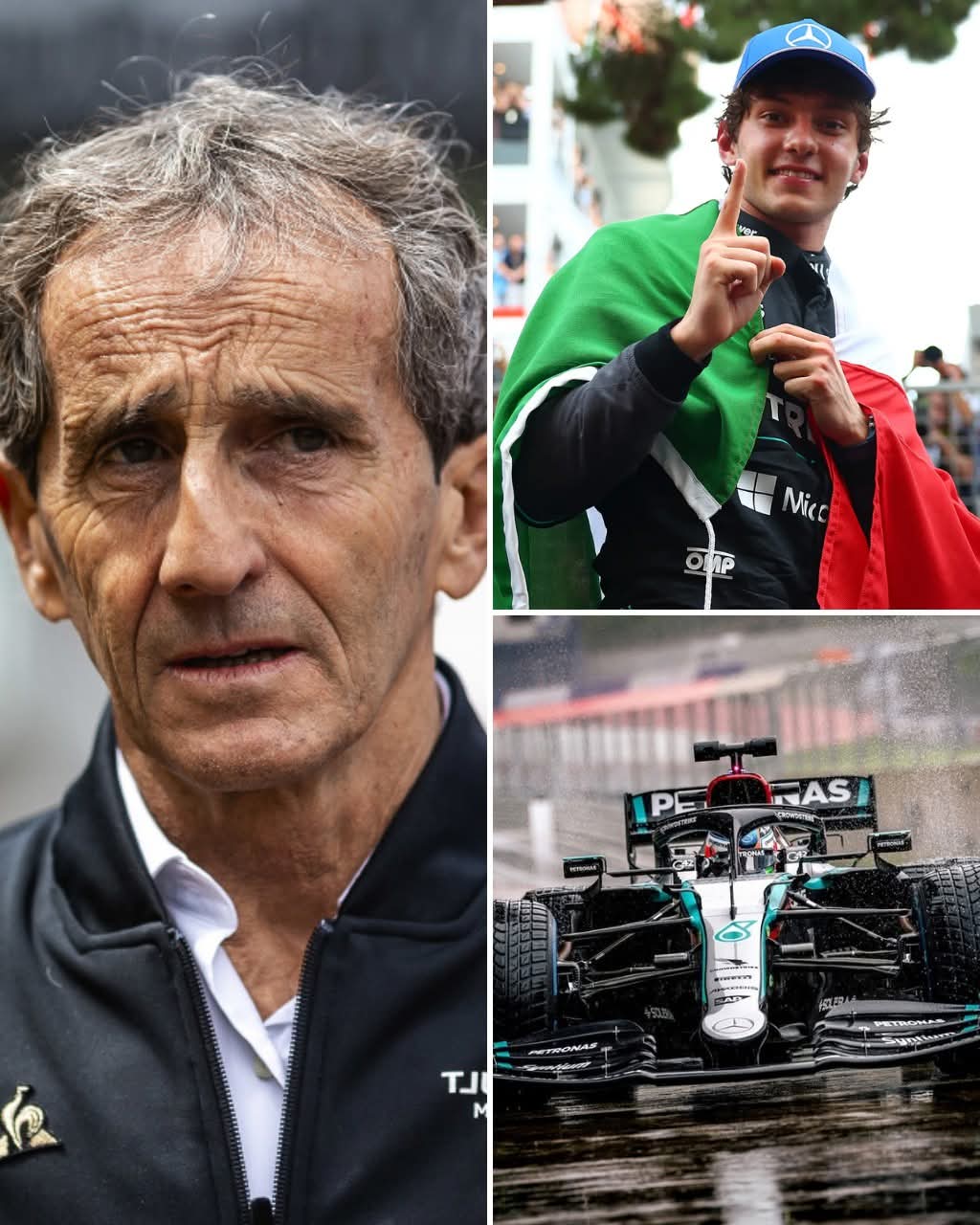
Kimi Antonelli’s remarkable rise to the top of Formula 1 continues to dominate headlines, and after his stunning Monaco Grand Prix triumph, the conversation surrounding the young Mercedes star has shifted dramatically. Any doubts about whether the 19-year-old is merely benefiting from the strength of his team now appear increasingly difficult to justify as Antonelli continues to deliver under the most intense pressure the sport can offer.
The Monaco Grand Prix has long been regarded as the ultimate test of precision, concentration, and raw driving ability. Winning there is one thing. Dominating there as the youngest winner in the event’s history is something entirely different. Antonelli’s performance has reignited discussions about what truly separates elite drivers from the rest of the field.
THE DEBATE OVER TALENT VERSUS MACHINERY
Formula 1 has always struggled with one recurring argument: how much credit belongs to the driver and how much belongs to the car?
Throughout the sport’s history, legendary champions such as Michael Schumacher, Ayrton Senna, Lewis Hamilton, Sebastian Vettel, and Max Verstappen have all benefited from dominant machinery at various points in their careers. Yet no serious observer would argue that their success came solely from technical superiority.
Antonelli now finds himself at the center of a similar debate. Critics argue that Mercedes has built a package capable of consistently fighting at the front. Supporters counter that many drivers have sat in competitive cars without producing the level of consistency, composure, and execution Antonelli has displayed throughout the 2026 season.
The reality likely lies somewhere in between. Formula 1 is a sport where driver and machine must operate in complete harmony. A great car creates opportunities, but only great drivers maximize them.
WHY MONACO CHANGED THE NARRATIVE
Monaco is often called the driver’s circuit for a reason.
There are no long straights to hide mistakes. There are no vast run-off areas to forgive errors. Every lap demands absolute concentration, and a single misjudgment can destroy an entire weekend.
Antonelli’s victory was not simply about leading laps. It was about managing pressure from experienced rivals, controlling tire performance, navigating traffic, and maintaining focus throughout one of the most mentally exhausting races on the calendar.
His achievement became even more significant because of the historical context. Winning five consecutive Grands Prix at such a young age places him in territory usually reserved for the sport’s most dominant champions.
That is why Monaco felt like a turning point. It was no longer just about potential. It became evidence that Antonelli may already be establishing himself as Formula 1’s next generational superstar.
MERCEDES DESERVES CREDIT, BUT SO DOES ANTONELLI
No championship contender succeeds alone.
Mercedes has provided Antonelli with a highly competitive package, strong strategic calls, and a stable environment that allows him to focus entirely on driving. Team principal Toto Wolff and the engineers behind the scenes deserve enormous credit for developing a car capable of challenging consistently at the front.
However, Formula 1 history is filled with examples of talented drivers struggling to deliver despite having strong machinery.
Antonelli’s greatest strength this season has been his maturity. While many young drivers experience fluctuations in performance, the Italian has repeatedly demonstrated calm decision-making, disciplined race management, and an ability to respond positively to adversity.
Those qualities cannot be engineered in a factory.
WHAT THIS MEANS FOR THE 2026 CHAMPIONSHIP
The championship picture remains fascinating despite Antonelli’s strong position.
Lewis Hamilton’s resurgence with Ferrari has introduced a genuine threat, while George Russell continues to score valuable points for Mercedes. McLaren remains close enough to capitalize if either front-running team stumbles.
Yet Antonelli continues to control the narrative because he rarely appears rattled. Even when rivals close the gap, he consistently finds a way to respond.
If he maintains this level of consistency through the European summer stretch, the championship battle could gradually begin tilting in his favor. The biggest challenge may not come from rival drivers but from the growing expectations that accompany success.
Every race now brings additional scrutiny. Every mistake will be magnified. That pressure has broken many promising talents in the past.
THE BIGGER PICTURE FOR FORMULA 1
Formula 1 is always searching for its next defining superstar.
With Hamilton entering the latter stages of his career and Verstappen facing increasing competition, the sport has been waiting for the next young driver capable of carrying Formula 1 into a new era.
Antonelli’s performances suggest he may be that driver.
His combination of speed, composure, intelligence, and growing confidence has made him one of the most compelling stories in motorsport. More importantly, he continues to answer criticism in the most effective way possible—through results.
A STAR WHO KEEPS PROVING HIMSELF
Whether critics believe Antonelli benefits from Mercedes’ support is ultimately irrelevant. Every champion in Formula 1 history has relied on a strong team.
What matters is what happens when the lights go out.
In Monaco, Antonelli delivered under immense pressure and etched his name into the record books. Five consecutive victories, a growing championship lead, and increasingly polished performances are making it harder for anyone to dismiss his achievements.
The 2026 season is far from over, but one thing is becoming clear: Kimi Antonelli is no longer simply Formula 1’s future. He is rapidly becoming its present.